
Health halos can turn a lower-calorie goal upside down. None of the products below are labeled “diet” or “light,” so the evidence supports a story about foods commonly treated as healthier swaps. Every comparison uses equal weights, volumes, cups, or tablespoons. Calories are only one part of nutrition, but if reducing them is the goal, these current labels contain a few surprises.
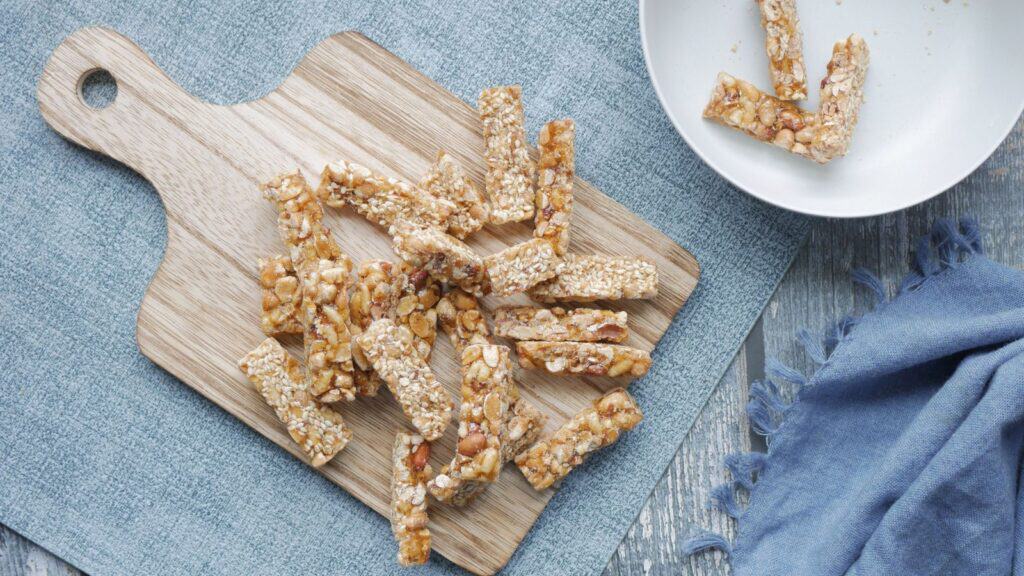
Granola Instead of Corn Flakes
Nature Valley Oats & Honey granola lists 120 calories per 27 grams. Kellogg’s Corn Flakes lists 150 calories per 42 grams, which works out to about 96 calories per 27 grams. The granola adds roughly 24 calories at the same weight.
A Green Smoothie Instead of Cola
A 15.2-ounce bottle of Naked Green Machine contains 240 calories. Normalized to 12 fluid ounces, that is about 189 calories. A 12-ounce Coca-Cola Original has 140. The smoothie supplies fiber and vitamins the soda lacks, but it is not the lower-calorie drink.
Dark Chocolate Instead of Milk Chocolate
Within Lindt’s Excellence line, a 30-gram serving of 70% dark chocolate has 190 calories. The same-size serving of Extra Creamy milk chocolate has 170. Cocoa percentage changes flavor and composition, not automatically the calorie count.
Agave Instead of Granulated Sugar
Wholesome Organic Blue Agave lists 60 calories per tablespoon. Domino granulated sugar lists 15 calories per teaspoon, or 45 per tablespoon. Agave is sweeter, so using less may erase the gap, but a spoon-for-spoon exchange adds 15 calories.
Honey Instead of Granulated Sugar
Sue Bee clover honey also lists 60 calories per tablespoon. The equivalent tablespoon of granulated sugar contains 45. Honey may offer flavor that lets a recipe use less, but equal spoonfuls don’t reduce calories.
Raisins Instead of Grapes
Sun-Maid raisins contain 90 calories per 28-gram box. The FDA’s raw-fruit table gives grapes 90 calories per 126 grams, or about 20 calories per 28 grams. Drying removes water, so the same weight holds far more fruit.
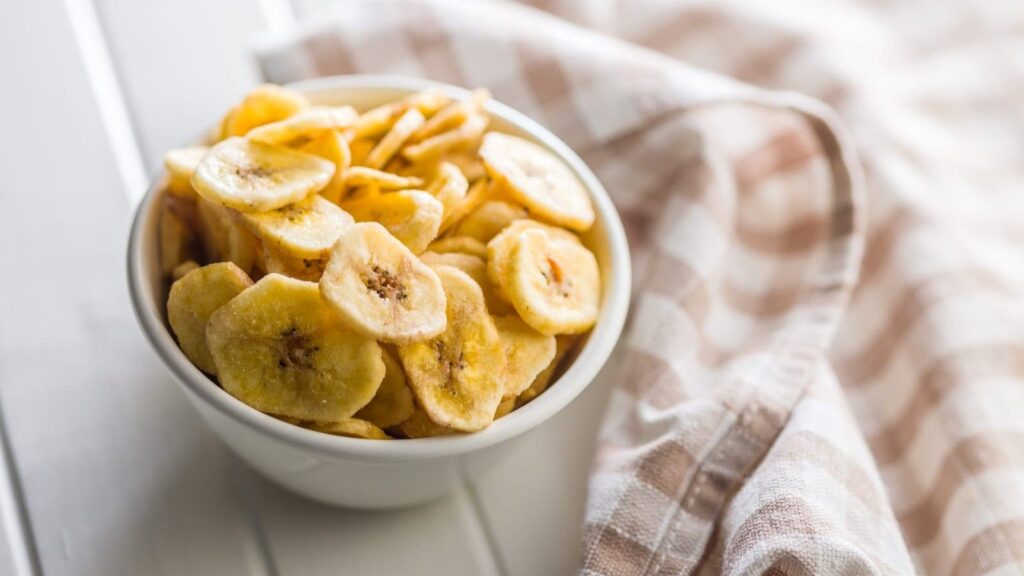
Banana Chips Instead of a Fresh Banana
Kroger Organic Banana Chips list 200 calories per 40 grams. Using the FDA’s value for a raw banana, 40 grams of fresh fruit provides about 35 calories. Coconut oil and added sugar help explain why the crunchy version is much denser.
Dried Cranberries Instead of Fresh Cranberries
Ocean Spray Original Craisins contain 130 calories per 40 grams. Current USDA data places raw cranberries at 46 calories per 100 grams, or about 18 per 40 grams. Water loss and added sugar make these two forms nutritionally different.
Coconut Oil Instead of Butter
Spectrum refined coconut oil lists 120 calories per tablespoon. Land O’Lakes salted butter lists 100. Coconut oil can suit a recipe or dietary preference, but replacing butter tablespoon for tablespoon adds 20 calories.
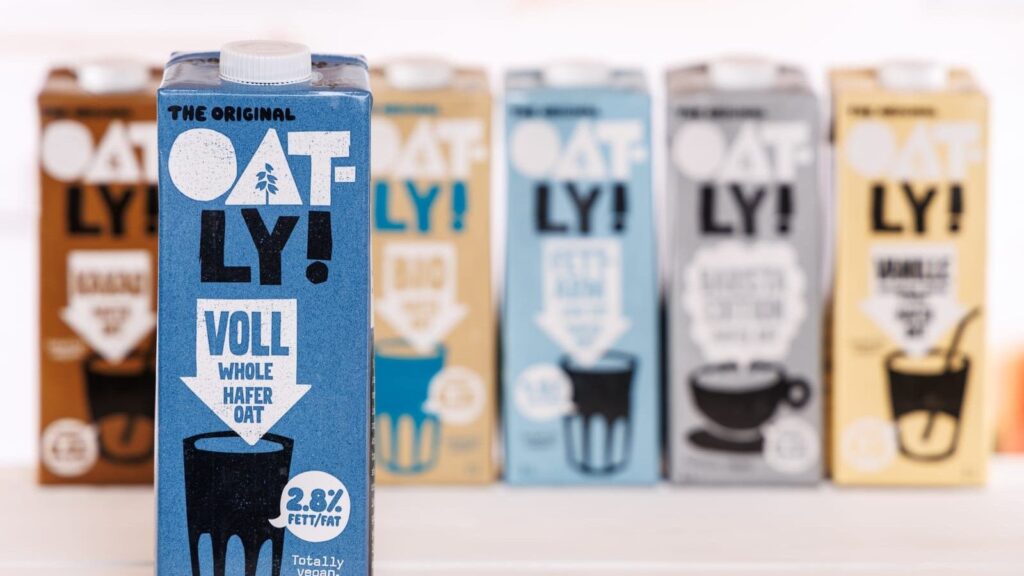
Original Oat Milk Instead of Fat-Free Milk
One cup of Oatly Original contains 120 calories. A cup of Horizon Organic Fat-Free Milk contains 90. Oat-milk formulas vary widely, so this result belongs to these products rather than every dairy and nondairy carton.
Avocado-Oil Mayo Instead of Regular Mayo
Primal Kitchen Avocado Oil Mayo lists 100 calories per tablespoon. Hellmann’s Real Mayonnaise lists 90. The oils differ, but “avocado” is not a lower-calorie claim. Equal spoonfuls leave the specialty mayo 10 calories higher.
Let the Label Set the Terms
Calorie math becomes useful only after the portions match. The Academy of Nutrition and Dietetics’ registered-dietitian-reviewed guide starts with serving size for that reason. Then widen the view to protein, fiber, fats, added sugar, allergies, and personal goals. A higher-calorie food can still be the better choice. The key habit is making that choice based on comparable numbers rather than a reputation printed on the front.