
Every kid needs a quiet place, and creating one at home supports routines that build concentration and reduce sensory overload. Quiet spaces encourage independent play and help kids manage emotions without constant stimulation. For families juggling work, school and screen time under one roof, having a dedicated area for stillness offers structure without pressure.
This post may contain affiliate link(s). As an Amazon Associate, I earn from qualifying purchases. See Disclosures.
Noise and screens surround kids at every turn, making it harder for them to find moments of calm. By stripping things back to basics with soft lighting, cozy fabrics and a few thoughtful sensory tools, parents can create simple spaces that help children feel more grounded and at ease.
Quiet zones matter for kids
Giving children access to a quiet zone isn’t just another parenting fad. These spaces play a growing role in helping kids manage overstimulation, especially in today’s noise-saturated environments. A quiet zone becomes truly sensory friendly when it minimizes overwhelming input through thoughtful design choices. Clearly labeled quiet zones often include comfortable seating, sensory-friendly toys and calming tools like weighted lap pads or fidget items.
These spaces may also feature natural light, room for mobility aids and soft surfaces that help ease sensory stress. Used consistently, they play a key role in supporting accessibility and well-being, improving daily life, particularly for neurodivergent children and expanding inclusion for those with mental health conditions or sensory processing disorders.
Recognizing emotional overload
Children often express emotional overload through actions rather than words. Some withdraw to quiet corners while others become explosive after overstimulating events. When these reactions continue into the school years, they may reflect ongoing challenges with emotional regulation and sensory processing. Symptoms can include mood swings, persistent discomfort, trouble with focus or coordination or difficulty adjusting to change. Identifying these signs early is key to building supportive environments, since timely intervention can reduce long-term developmental impacts.
Tech’s role in overstimulation
Screens may offer entertainment and education, but they also bring a constant stream of sights, sounds and alerts that keep the brain on high alert. For kids, this overstimulation can build up quickly, leaving them irritable, fatigued or unable to focus. Delaying tech exposure, introducing digital breaks and creating screen-free zones give the nervous system a much-needed pause and reinforce the importance of low-sensory time in their routine.
What makes a quiet place work
A quiet space works best when it sets a tone of calm without needing a full makeover. Skip the fancy upgrades and focus on atmosphere. Use soft lighting and cozy materials to cue the brain that it’s time to settle down. Simple, hands-on activities like puzzles or drawing pads give kids something to do while helping them ease out of sensory overload.
Structure matters too. Make expectations clear and keep the space free from interruptions unless necessary. The goal is to create a dependable spot that helps children feel safe, in control and ready to reset.
How to build one at home
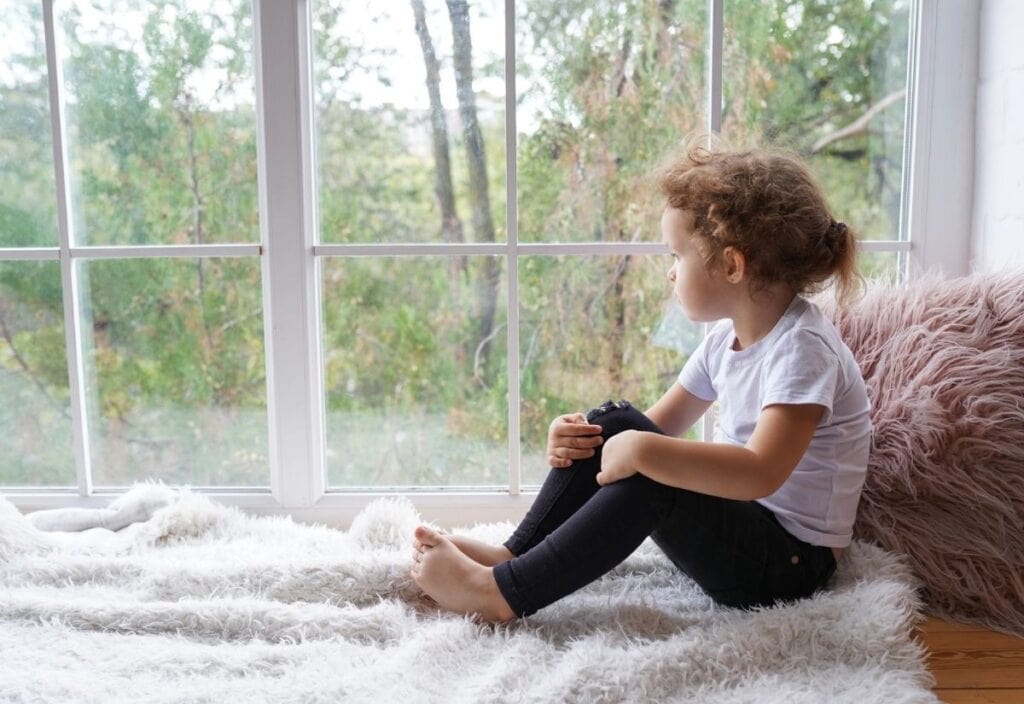
Small homes can still support meaningful sensory spaces. Choose a corner that feels safe and spacious, then clear out clutter and visual distractions. Soft textures, neutral lighting and comforting objects create a peaceful atmosphere that signals rest. Think in terms of warmth and predictability rather than square footage.
Add sensory-friendly tools like weighted blankets, squishy toys or soft music to provide calming input. Dim lighting, loose clothing and quiet surroundings help prevent sensory overload. Include movement-based activities like stretches or balance exercises to release extra energy and build motor skills. Refresh books or objects every few weeks to maintain interest without disrupting routine.
Build calm into the daily schedule
A quiet space works best when it feels intentional and personal, not consequential. Let the child take ownership by naming the space or adding their own decorations. That simple autonomy helps them feel safe and in control.
Once the space is familiar, it can become a regular part of their day. Kids can use it to recharge before stressful moments like tests or after bursts of activity. Over time, they begin to recognize what they need and head there on their own, not just when things go wrong. These quiet moments also support emotional balance as bedtime approaches. Activities like reading, soft lighting and calming rituals prepare the brain to slow down and process the day. When practiced consistently, they can help improve sleep quality, promote emotional stability and make mornings more manageable.
When quiet space isn’t enough
Quiet spaces are powerful tools, but they aren’t a cure-all. When children continue to show signs of distress that disrupt sleep, learning or social connection, parents should consider deeper support. Emotional regulation and sensory processing are complex, and challenges in these areas can point to developmental or neurological conditions that need professional attention.
Health care providers like pediatricians, occupational therapists and child psychologists can help clarify what’s going on and recommend targeted strategies. With early evaluation and customized care, families can better support their child’s growth, ease daily struggles and prevent more serious setbacks over time.
Quiet spaces leave a lasting impact
A quiet space can do more than offer a break from noise. It can become a steady part of how children process the world around them. As daily demands grow louder, simple routines grounded in calm help kids regain control, recognize their emotions and reset without feeling overwhelmed. When parents prioritize consistency over perfection, they create a foundation for self-regulation that lasts well beyond childhood.
Mandy writes about food, home and the kind of everyday life that feels anything but ordinary. She’s travelled extensively, and those experiences shaped everything, from comforting meals to little lifestyle upgrades that make a big difference. You’ll find all her favorite recipes over at Hungry Cooks Kitchen.