
The ski landscape has changed fundamentally over the past two decades, driven by the rise of multi-mountain corporations offering access through a single mega pass. The two largest mega passes, Vail Resorts’ Epic Pass and Alterra’s Ikon Pass, now control more than 50% of America’s skiable acreage. For resorts, joining a mega pass can drive traffic, as passholders account for about 49% of skier visits, according to the National Ski Areas Association.
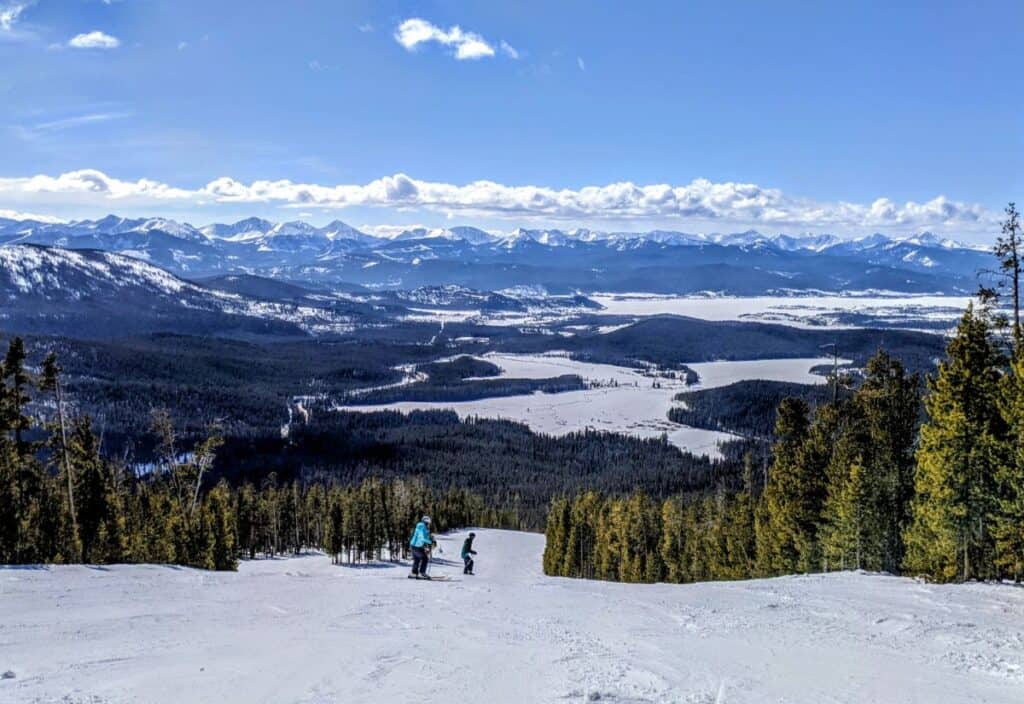
For the occasional skier, the mega pass era brings record lift ticket prices for a single day as corporations steer customers toward season passes. Other downsides include crowded lift lines, packed parking lots and a perceived loss of individuality and experimentation. Some resorts buck the mega pass trend by choosing to stay independent and offer a different kind of ski experience.
The ski mega pass era
Vail Resorts introduced the Epic Pass in 2008, followed by Alterra’s Ikon Pass in 2018. Since then, the two conglomerates have expanded at a rapid pace. Today, they operate 42 and 19 ski areas, respectively, controlling more than 50% of lift capacity nationwide. In some states, the duopoly is even more pronounced. In Colorado, 86% of lift capacity is either on the Ikon or Epic Pass, according to authors Swiger and Looney, in a paper published by the University of Utah School of Business.
While the price of both of these passes crossed the $1,000 mark in 2025, Swiger and Looney suggest they represent good value, as joining the mega pass has led to a drop in season ticket prices at many resorts. However, the story is different for walk-up lift ticket prices.
Daily lift ticket prices have far outpaced inflation at many of the top resorts operated by Vail and Alterra, according to data assembled by ski industry writer Stuart Winchester. Prices hover near $200-$300 at the resorts he looked at and reach $356 for peak days at Vail Mountain. The companies operating these mountains are pushing skiers to buy a mega pass over single-day tickets. As a business model, the mega pass era is a success. Vail Resorts reported a net income of $280 million for the 2025 fiscal year.
Independent ski resorts are still thriving
Despite the growing consolidation under multimountain conglomerates and mega pass umbrellas, independent ski resorts are still flourishing and choosing to forego joining a megapass. If counting the number of public ski resorts in the U.S. with aerial lifts, 62% are still independently owned and operated, according to Winchester. They are adapting by carving out an experience that mega passes can’t offer.
Big Sky, Montana
While Big Sky was named SKI Magazine’s Top Resort in the West for 2026, locals have long also valued nearby Bridger Bowl in Bozeman. Run by a nonprofit governed by community members, lift tickets top out at just under $100 for adults and are even lower for juniors and kids.
Not associated with one of the mega passes, Bridger Bowl has dipped its toe into reciprocal passes in the past, partnering with a few other resorts, but ultimately decided it made their slopes too crowded. Prioritizing a great ski experience for locals was more important. With an expert-only ridge terrain famous amongst hard-core skiers, but also plenty of beginner and intermediate runs among its 2,000 acres, Bridger is more than just a local ski hill.
Diamond Peak Ski Resort, Lake Tahoe
The adjacent community of Incline Village owns Diamond Peak Ski Resort. Like Bridger Bowl, it offers an alternative to the pricier and corporate-owned resorts around it. Known for its beginner-friendly terrain, good tree skiing and jaw-dropping views of Lake Tahoe, it prioritizes the community’s wants instead of profits, giving it a unique flavor distinct from mountains operated by conglomerates. Free shuttles run from the village, but the mountain is also only 40 minutes from Reno.
Donner Ski Ranch, Lake Tahoe
Also easily accessible from Reno is Donner Ski Ranch, a family-owned ski resort that is committed to keeping skiing affordable and treating everyone like a family member. Donner does not sell lift tickets online or in multipacks. You can either buy a season pass or a daily lift ticket at the window in person.
Donner Ski Ranch is old school, but it leans into that appeal, even offering what they call old school days during the midweek, where lift tickets and gear rentals revert to pricing not seen since the 1990s for most ski resorts. The freedom to experiment with these kinds of specials and ways of doing business is why these resorts continue to choose independence.
Wolf Creek Ski Area, Southern Colorado
Wolf Creek Ski Area is one of the most famously independent ski resorts, especially in Colorado, where Ikon and Epic passes control the vast majority of skiable terrain. Run by the Pitcher family since the mid-1980s, their only reciprocity is with Discovery Ski Area in Montana, which is owned by another member of the Pitcher family. With lift ticket prices under $100 and family discounts for season passes, they have also invested in making for a great ski experience while keeping those lift ticket prices low.
As one of the snowiest ski resorts in Colorado, the deep powder keeps skiers returning to Wolf Creek, but so does the lack of lift lines. To make the experience more enjoyable for first-timers in the hopes that they become lifelong skiers, Wolf Creek invests in staffing the beginner area with ski instructors to assist with lift loading and give tips, according to an interview with the owner, Davey Pitcher.
Bringing new skiers in
Introducing new skiers to the sport is an avenue many independent ski resorts use to set themselves apart. With new skiers unlikely to invest the money it requires for a mega pass and single lift ticket prices prohibitively expensive, independents can offer a cheaper way to try out the sport.
Spokane, Washington’s nonprofit ski mountain, Mt. Spokane Ski & Snowboard Park, offers several learn-to-ski packages that include lift tickets, gear rentals and lessons. Discovery Ski Area may be known by expert skiers for its challenging terrain on the back side of the mountain, but it also bundles lessons, lift ticket and gear rental for $100 or less, making it a great option for beginners.
Is it working?
While anecdotal evidence from skiers is plentiful on both sides of the debate, some of the best evidence for the appeal of independent resorts comes from the data. Wolf Creek has seen increased visitation numbers since 2021. Whitefish Mountain Resort in Montana recorded their second-most-skiers visits ever this past winter despite not joining any of the mega passes.
And perhaps most tellingly, Vail Resorts recorded a 3% drop in visitors this past winter despite skier visits increasing 1.7% nationally, according to Winchester. He suggests this means skiers are choosing to go to resorts not on the Epic mega pass.
The era of the mega pass has undeniably altered the landscape of the ski industry, but independent resorts continue to survive and thrive. Cheaper ticket prices, rarely crowded lift lines and a flexibility to offer unique amenities geared towards their community are all ways independent resorts are setting themselves apart.
While the economics of the ski pass are attractive to resorts trying to survive with increased costs and less dependable snowfall in recent decades, they are not the only business model that can work. Individuality and making fresh tracks have always been mythologized in ski culture, and for some skiers, that is why they choose to pass on the mega pass.
Amanda Luhn is a freelance writer who escapes from her never-ending cabin renovation by traveling, whether that is camping in her beloved Smoky Mountains or hopping on a plane to a new country. She writes for her family travel blog, Simply Awesome Trips, and her East Tennessee blog, Knoxville Backyard & Beyond.