
Americans already cross oceans for Kenya’s wildlife, but too many still plan as if the country ends at the edge of the bush. After days that start before sunrise, throwing dust into your hair and scanning every patch of grass for a flicker of movement, safari somehow keeps you hungry for one more drive, one more sighting and one more story from the guide. The coast gives travelers time to come down from that intensity without leaving Kenya.
This post may contain affiliate links that may earn us a commission. For more information, see our Disclosures.
Americans are not a niche audience for Kenya. The country recorded 2,394,376 international arrivals in 2024, up from 2,089,259 in 2023, according to the Tourism Research Institute. The United States was its largest source market with 306,501 visitors, which accounts for 12.8% of total arrivals. But many safari itineraries still send travelers elsewhere for a beach finish, even though Kenya’s own coast can give the trip the slower ending long-haul travelers often need.
Watamu changes the Kenya ending
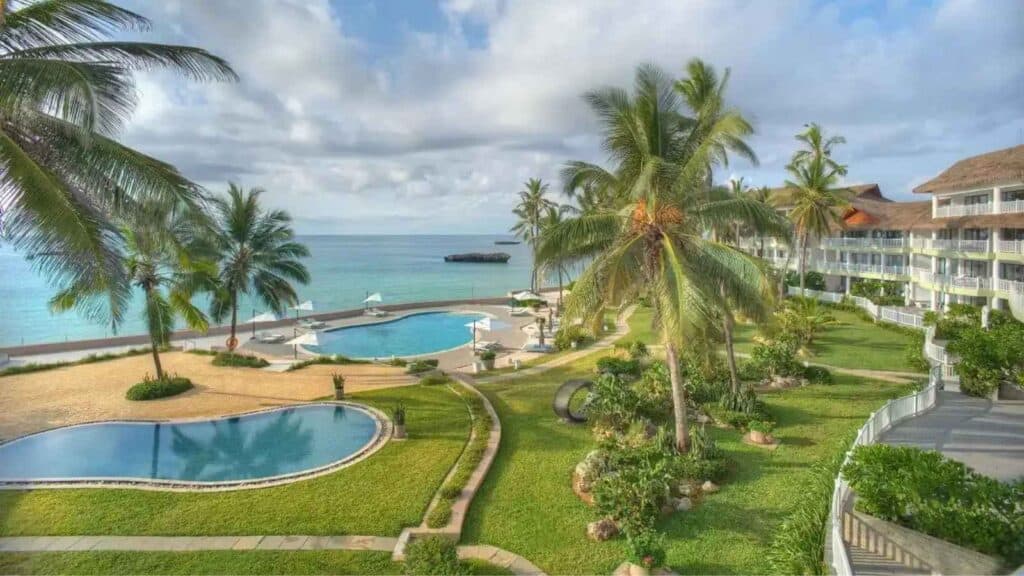
North of Mombasa, the coast of Watamu adds a different kind of day to a Kenya trip. With reef trips offshore, centuries of Swahili history nearby and the Indian Ocean setting many travelers look for after safari, it gives the beach finish many seek while keeping the trip rooted in Kenya.
Hemingways Watamu, a luxury hotel on Kenya’s coast, opened in 1988 and features a shoreline long associated with the country’s high-end travel scene. The property sits along a stretch of coast with deep roots in the local fishing industry, a history that predates its current life as a polished beach resort. Its owner fished these waters for years before buying the site, then expanded it from a simple coastal base into the hotel and residences guests see today.
For Americans planning a Kenya safari, the trip usually concludes with a beach stop. Watamu adds that option within the same trip, on a stretch of coast many U.S. travelers still overlook.
More than a place to recover
Watamu can be a place to rest after tiring days in the bush, and that slower pace is part of its appeal. A massage, a slow lunch and time by the water all make sense after dawn wake-up calls, long game drives and the constant alertness safari demands. But the coast also offers travelers more than a chance to rest. Starting with the reef, where diving or snorkeling offers a sharp contrast to safari, the focus changes from savanna wildlife to coral, reef fish and larger marine life that draw visitors into the water. Packing also changes, with dust scarves and bush layers replaced by swimsuits, reef-safe sunscreen and sunglasses for time by the water.
Just a short drive inland, Gede Ruins preserves the remains of a Swahili town within an indigenous forest near Watamu and includes the ruins of stone houses, mosques, tombs and a palace. The town was occupied from the 10th to the 17th centuries and flourished between the 15th and 17th centuries, according to UNESCO documents for the site.
At the end of your beach day, a “dhow,” a traditional wooden sailing boat, offers a completely different kind of evening than a safari drive. Instead of wrapping up beside a vehicle, you head out onto the Indian Ocean as the light fades, with the focus shifting fully to the water and coastline. Dinner on board often features fresh seafood with Swahili flavors, keeping the experience grounded in the place rather than the bush.
Conservation along the coast
Prawn’s Lake Conservation Project in Watamu was used as a dumping area before residents and conservation groups restored it through cleanup work and mangrove planting. Flamingos have recently returned, and visitors can now kayak on the lake before stopping for a drink and prawn samosas at sunset.
That proactive local action continues at EcoWorld Recycling, which was founded in 2016 after beach cleanups alone failed to solve Watamu’s waste problem. The project separates recyclables before they reach landfill, collects from hotels and public drop-off points and pays local collectors through a buyback system. In the process, waste management becomes both a source of income and part of the work that keeps Watamu’s beaches and water worth traveling for.
The Indian Ocean belongs in the itinerary
For Americans already willing to cross oceans for Kenya’s wildlife, Watamu makes the case for staying in the country long enough to reach the water. The coast gives the trip a slower ending while adding reef, history, food and local conservation to the wildlife experience most travelers came for. Kenya does not have to end at the edge of the bush, and for travelers who reach the Indian Ocean, it does not.
Mandy is a luxury travel, fine dining and bucket-list-adventure journalist with expert insight from 46 countries. She uncovers unforgettable experiences around the world and brings them to life through immersive storytelling that blends indulgence, culture and discovery, and shares them with a global audience as co-founder of Food Drink Life. Her articles appear on MSN and through the Associated Press wire in major U.S. outlets, including NBC, the Daily News, Boston Herald, the Chicago Sun-Times and many more.