
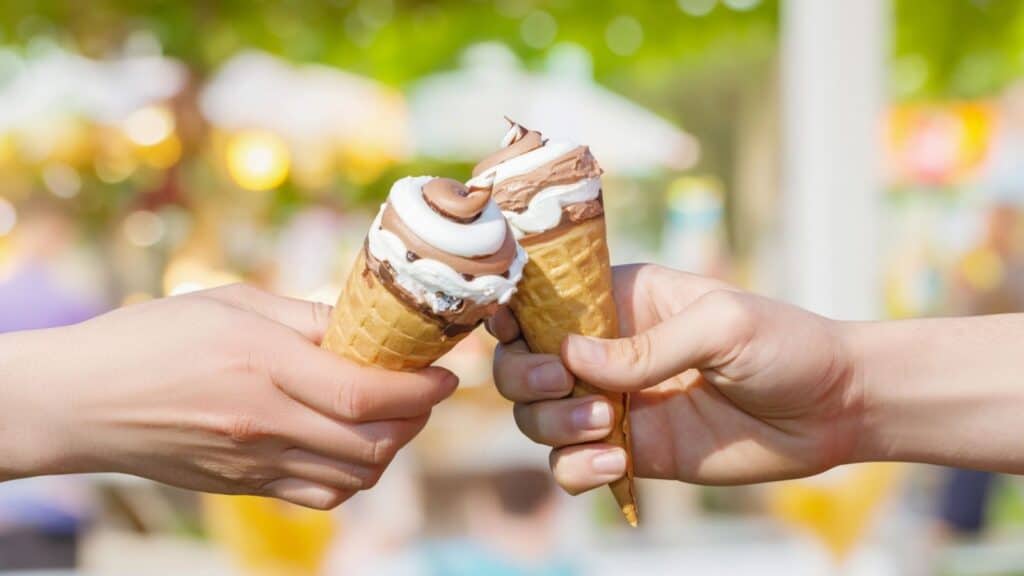
A $5 cookie and a late-night scoop of gourmet ice cream still attract long lines in 2026, even as many consumers cut back on restaurant spending. Smaller indulgences have settled into everyday spending habits, with many people skipping the $25 lunch or a night out in favor of quick dessert runs that still feel rewarding when the week starts to drag.
This post may contain affiliate link(s). As an Amazon Associate, I earn from qualifying purchases. See Disclosures.
Nearly half of Americans regularly seek out small indulgences; 62% consider them part of their self-care routine, with most treats costing around $5. Bakeries, cafes and dessert shops build on that behavior and put up premium ingredients in smaller portions that keep customers coming back for more.
Little treat culture keeps growing
Small indulgences still hold a steady place in consumer spending habits even as many households remain more cautious with larger purchases. Little treat culture first gained major traction on TikTok in 2023 and became one of 2025’s defining food trends as more consumers turned to cookies, ice cream and specialty drinks in place of full restaurant meals.
Many shoppers reduce their discretionary purchases while still leaving room in their budgets for small rewards during the week. A $5 cookie or premium scoop of ice cream often feels more reasonable than a costly night out, particularly during periods of higher living costs. Those smaller purchases also fit easily into existing routines, with dessert stops increasingly becoming part of coffee runs, errands, office breaks or evening walks without requiring advance planning or a dedicated outing.
Smaller desserts keep customers returning
Bakeries lean further into individual dessert purchases as shoppers look for treats that still carry a premium feel at lower price points. About 47% of consumers define a little treat as something sweet, while 56% associate sweet snacks with something fun to eat. That demand continues to fuel interest in gourmet cookies, mini pastries and single-serve desserts.
Scratch-made cookies with browned butter, imported chocolate and filled centers remain especially popular across bakery counters. Large cookies still attract attention, though many bakeries balance them with hand pies, mini tarts and individual pastries that work well as impulse purchases near checkout counters.
Lower-priced dessert formats also encourage repeat traffic, as shoppers can sample higher-end products without ordering full cakes or larger bakery boxes. Weekly flavor changes, sampler packs and seasonal menu additions keep customers returning to see what appears next. Additionally, open kitchens and warm display setups help bakeries compete more directly with cafes and specialty dessert shops.
Ice cream and drinks fuel treat spending
Ice cream remains one of the country’s favorite comfort purchases, with 56% of consumers identifying it as their top indulgence. Scoop shops continue to attract traffic with rotating flavors, house-made toppings and ingredients commonly found on global dessert menus.
Flavor combinations such as pistachio, ube, olive oil and black sesame remain common across premium dessert counters. Seasonal releases help maintain customer interest throughout the year while giving shops room to test flavors without introducing permanent menu items.
Treat spending has expanded well beyond bakeries and ice cream shops. Dessert-style coffees, flavored matcha drinks and dirty sodas become standalone purchases rather than simple add-ons to meals. Beverage customization allows cafes to increase ticket totals while remaining far below full restaurant prices. Evening walks, warmer weather and steady spring and summer foot traffic continue to support late-day traffic at dessert counters and cafes.
Savory bites join the little treat culture
Little treat spending is innovating beyond desserts and drinks as restaurants introduce snack-sized portions built around premium ingredients, such as oysters, wagyu skewers, caviar bites and similar menu items. These dishes are more shown as lower-commitment purchases than fine-dining meals.
Smaller formats allow customers to sample luxury ingredients without paying for tasting menus or large dinner bills. Many restaurants feature these items on happy hour menus or in food halls where shorter visits and casual spending already match the atmosphere.
Social dining drives much of the demand, with shared plates and savory snacks becoming common during casual meetups, evening outings and group dinners. Many customers want something indulgent without committing to a complete restaurant experience or a full fine-dining bill.
Smaller treats encourage flavor experimentation
The continued demand for smaller treats gives dessert operators more freedom to experiment with flavors that might feel risky in larger formats or full-size products. Ingredients such as black sesame, tahini, olive oil and seasonal fruit can rotate through menus more quickly because customers are often more willing to try unfamiliar flavors at lower price points. That flexibility may turn dessert counters and specialty drink menus into some of the fastest-changing areas of the food business in the coming years.
Mandy Applegate is the creator behind Splash of Taste and seven other high-profile food and travel blogs. She’s also the co-founder of Food Drink Life Inc., a unique and highly rewarding collaborative blogger project. Her articles appear frequently on major online news sites, and she always has her eyes open to spot the next big trend.