
The mushroom in a basic sauté is one version of an ingredient that can do far more. Other techniques take that same mushroom to places most home cooks have never considered, all from one fact about the ingredient that almost no home cook has been taught. National Mushroom Day, Oct. 15, is a great time to discover how versatile this humble ingredient really is.
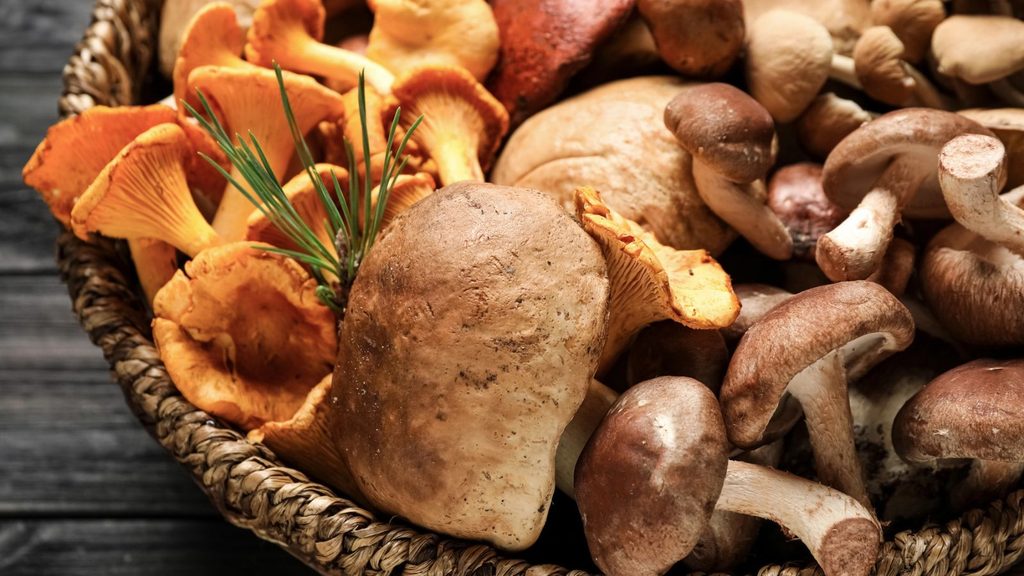
Mushrooms are about 90% water, a moisture level closer to what you’d expect from a cucumber. Some approaches exploit the moisture, drawing it out to build depth into a surrounding liquid or braise. Others eliminate it completely by cooking the mushroom far past done, until what remains is dense, dark and dramatically reduced in volume. Both directions produce something home cooks rarely encounter. Neither requires anything beyond what most kitchens already have.
Mushroom Council research published this month found that heavy consumers buy 73% of fresh mushroom volume, and that the biggest growth opportunity lies with buyers who already enjoy mushrooms but haven’t made them a staple. The techniques here show what can happen when that interest goes further.
The techniques that begin where most home cooks stop
Duxelles is a French preparation that relies on patience. The mushrooms are chopped so finely they nearly form a paste, then cooked in butter with shallots over medium heat for 20 minutes or more, until all moisture cooks off. What remains is a small, concentrated mass, very dark brown and intensely savory, barely recognizable as what it started as. The volume shrinks significantly. The flavor concentrates.
Duxelles works spread on toast, tucked under chicken skin before roasting, stirred into scrambled eggs or folded into a pasta sauce where it disappears and deepens everything around it. It is also the filling inside a Beef Wellington, which should explain what it does to the taste of whatever it touches. Any mushroom variety works; cremini and portobello are good choices for a deeper, more concentrated result.
Compound butter takes the same logic and keeps it in the freezer. Deeply brown mushrooms in a dry pan until most of the water has cooked off, then cool and blend into softened butter. Roll the mixture in plastic wrap and refrigerate for up to a week, or freeze for longer.
A slice of compound butter on a resting steak carries all that browning into the meat as it melts. The same butter works over roasted vegetables, stirred into a pan sauce at the last second or melted over polenta. Compound butter is one way restaurant kitchens finish proteins at the pass. The mushroom is unrecognizable in the finished dish. Its flavor is entirely present.
Two mushroom techniques that work by staying out of sight
The stems and dry scraps most home cooks discard are the starting point for mushroom stock. Simmer them with garlic, a bay leaf, and whatever aromatics you have on hand for about 30 minutes, then strain. The result works as the cooking liquid for risotto, farro, lentils, braised greens or a caramelized onion and mushroom soup in place of water or boxed broth, and the same grain or legume that would be fine with water becomes something with a depth that reads as effort. It costs what was going in the compost.
Dried porcini or shiitake, ground to a fine powder, does the same work with almost no prep. Stirred into a pan sauce, pasta cooking water or a meat rub before searing, it adds a layer of savory depth that is hard to identify as mushroom. Drying concentrates mushroom flavor by removing water, so a small amount of powder adds depth that fresh mushrooms cannot deliver as efficiently.
What a dried shiitake does to a braise
Add a handful of dried shiitake to the braising liquid for short ribs, pot roast or chicken thighs before you put the lid on. For a long braise, they largely cook into the background; for shorter preparations, remove them before serving.
The sauce is another matter. It is rounder, deeper and harder to replicate than the same recipe without them. Dried shiitake carry guanylate, a compound that enhances the savory character of glutamate-rich ingredients like meat. A few dried shiitake can add considerable savory depth to a braising liquid.
What a hot pan and patience produce
Maitake mushrooms, also called hen of the woods, spread in a single layer in a hot pan over high heat until the edges become genuinely crispy produce something with a texture most home cooks have not encountered. The texture is closer to a chip than a vegetable: crackling edges, concentrated flavor and very little softness remaining. Shiitake caps respond the same way.
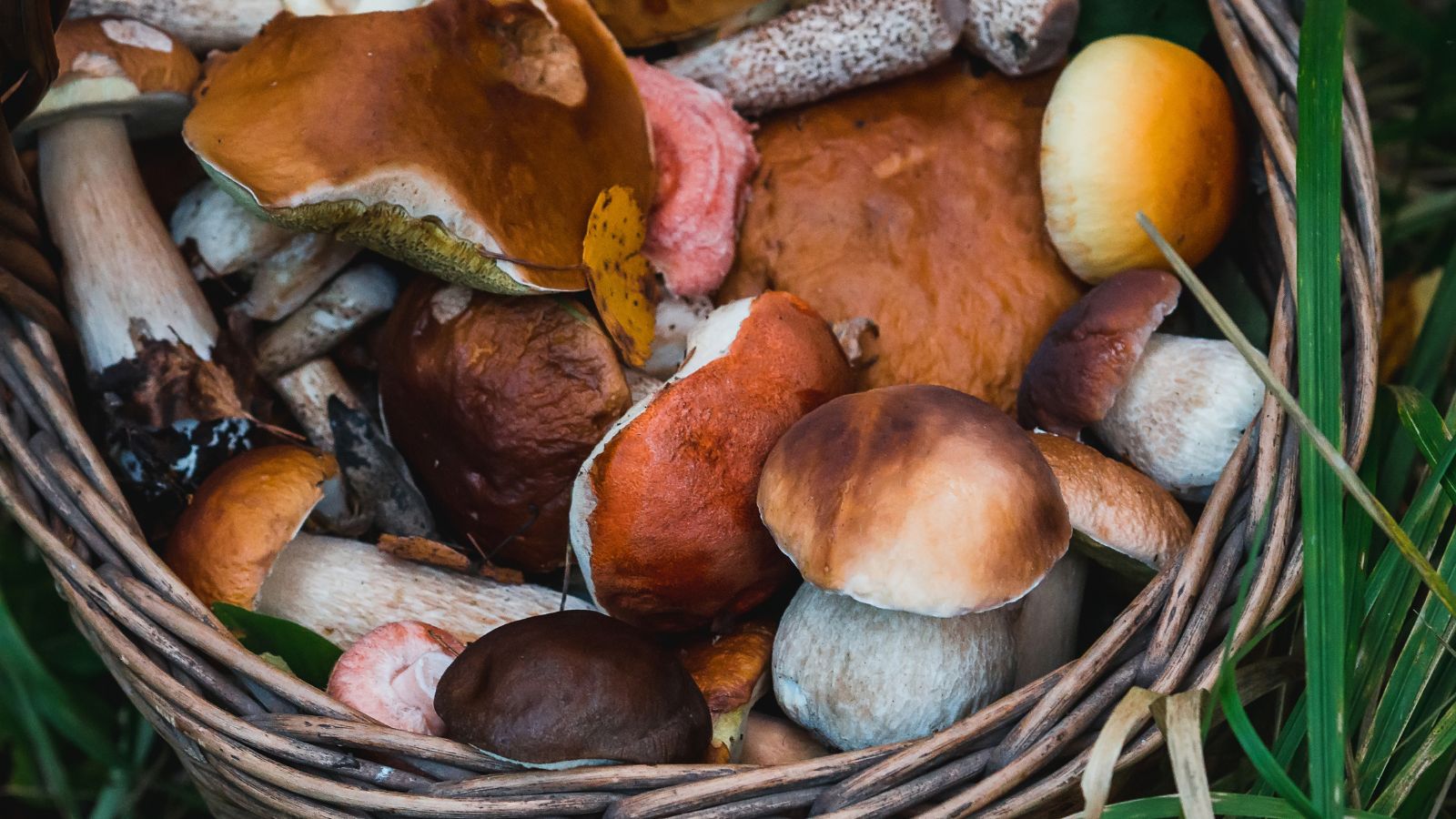
Restaurants drop crispy mushrooms onto finished dishes the way they drop fried shallots or crispy bacon: at the last second, for contrast and a savory punch that cuts through whatever is underneath. A very hot pan and patience are all the technique requires.
Home cooking tends to solve a flat dish by upgrading the ingredients. A better cut of meat, a higher-quality oil, a fancier variety of something. The six techniques suggest improvement comes from another direction: understanding how a common ingredient behaves and what it can do.
Jennifer Allen is a retired professional chef and long-time writer. Her work appears in dozens of publications, including MSN, Yahoo, The Washington Post and The Seattle Times. These days, she’s busy in the kitchen developing recipes and traveling the world, and you can find all her best creations at Cook What You Love.