
Many apple dumpling recipes call for Granny Smith and never mention how much the variety inside the dough changes the filling. National Apple Dumpling Day on Sept. 17 overlaps with apple-picking season in much of the country, when orchards bring different varieties to market. The apple someone grabs off the tree that weekend is the one ingredient no recipe can substitute.
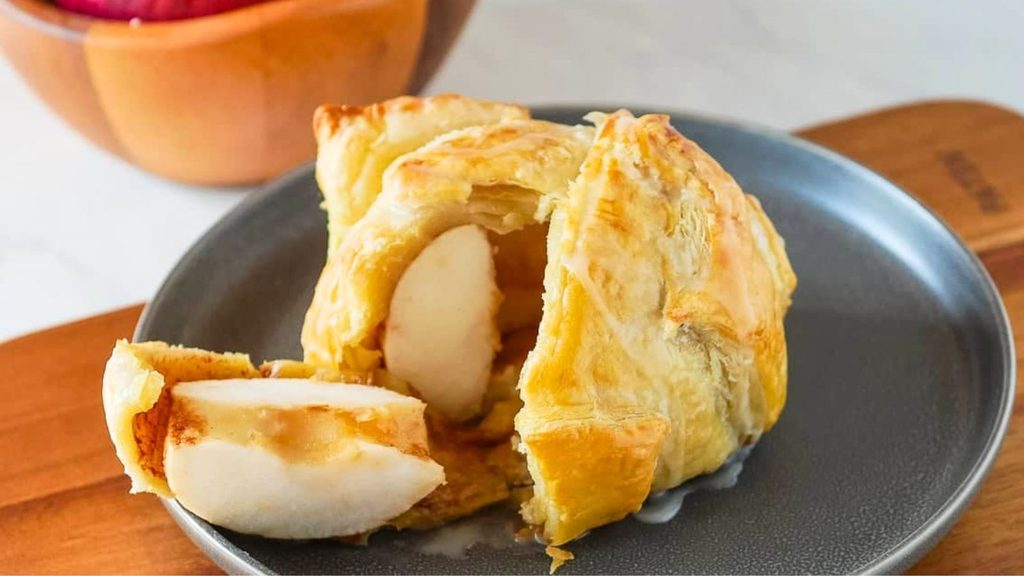
The apple that goes into that dumpling matters more than most recipes let on. Grocery stores carry more commercial varieties than they did a generation ago. However, the selection still skews toward cultivars bred to ship well and survive months in controlled-atmosphere cold storage, where oxygen levels can be reduced to roughly 1%-3%.
In some cases, postharvest treatments also help slow quality loss. The apples can still look remarkably fresh after months in storage, and some varieties can be stored for close to a year under optimal controlled conditions. However, flavor and aroma can diminish well before the apple shows visible age.
A U-pick orchard, by contrast, can offer heritage and regional varieties rarely seen in supermarkets, all of them picked within days of the visit. Freshness can affect an apple’s firmness and cell-wall structure, and cultivar plays a major role in how the fruit softens during cooking.
Research across multiple studies and cooking tests has shown that firmer apples take measurably longer to reach the same level of softness, giving bakers a practical reason to pay attention to the variety they choose. In a pie, thin slices are forgiving. In a dumpling, where the fruit bakes whole or in large pieces inside a sealed pastry shell, that difference matters more.
A smaller crop with a different mix
The 2026 U.S. apple crop is forecast at 263 million bushels for the 2026/27 crop year, down 7% from last year and 3% below the five-year average. The damage was far from even. Pennsylvania, the state most closely associated with the American apple dumpling tradition through its Pennsylvania Dutch communities, is forecast to be down 58% following significant spring freeze damage. Virginia’s production is forecast to fall 48% after the same freeze, with localized hail events adding to losses in some areas.
The varietal picture nationwide tells a more specific story for anyone heading to an orchard with baking in mind. Gala, the country’s largest variety by production, came through the season strong. Honeycrisp had localized return-bloom issues, although Michigan growers expect the variety to be plentiful overall. The mix at any given orchard will depend on the region and the season, but mid-September marks the point where more varieties start arriving each week.
All of which means the automatic reach for Granny Smith, the default baking apple in most published recipes, might not be the smartest move at the orchard this year. A few other varieties deserve the spot.
The one that bakes better than expected
Honeycrisp built its reputation as a snacking apple, but its firm texture and natural sweetness make it a strong dumpling candidate. The flesh can soften while retaining more structure than softer apple varieties, and because Honeycrisp is sweeter than Granny Smith, bakers may want to reduce the added sugar in the filling. Honeycrisp is widely available at orchards by mid-September and is one of the more practical choices for anyone baking around National Apple Dumpling Day.
The one that gives you a saucier center
Cortland breaks down more readily when baked than firmer varieties, producing a softer, almost butter-like interior inside the dough. The flavor is sweet-tart with a trace of berry, and unlike most apples, Cortland resists browning after cutting, a useful quality when assembling a tray of dumplings in advance.
For bakers who want their filling to read closer to a thick, spiced sauce than a firm wedge, Cortland delivers that texture on purpose. Empire, another McIntosh-derived variety, is sweet-tart and crisp, and some bakers use it for a softer-textured filling.
The one worth waiting for
With a long-standing reputation as a top baking apple, Northern Spy is a late-season variety that typically arrives at orchards in late October. The flesh is firm and juicy, tart up front with aromatic depth. That texture makes it a strong choice for baked desserts where the cook wants the apple to retain some structure.
Northern Spy bruises easily, which makes it less convenient for large-scale supermarket distribution, but orchards that grow heritage varieties often carry it from late October through November. For bakers willing to wait a few weeks past the Sept. 17 holiday, it is one of the most rewarding apples to bake with.
The best dumpling might use 2 apples
Some professional bakers recommend mixing apple varieties to balance sweetness, acidity and texture, and the logic holds up in practice. Pairing a firm-tart apple with a sweeter, softer one can create flavor depth that a single variety is less likely to deliver on its own. A Honeycrisp or Braeburn provides the structural backbone. A Golden Delicious, which develops a rich buttery taste when baked, rounds out the filling. Its natural sweetness often means less added sugar in the filling.
Golden Delicious is typically a late-September-through-October apple depending on the region, and while it stores well under controlled conditions, freshly harvested fruit tends to deliver a fuller range of flavor and aroma. For bakers who want the full range of flavors, the best approach may be to start with Honeycrisp or Cortland in September and revisit the dumpling recipe with Northern Spy or Golden Delicious once October arrives.
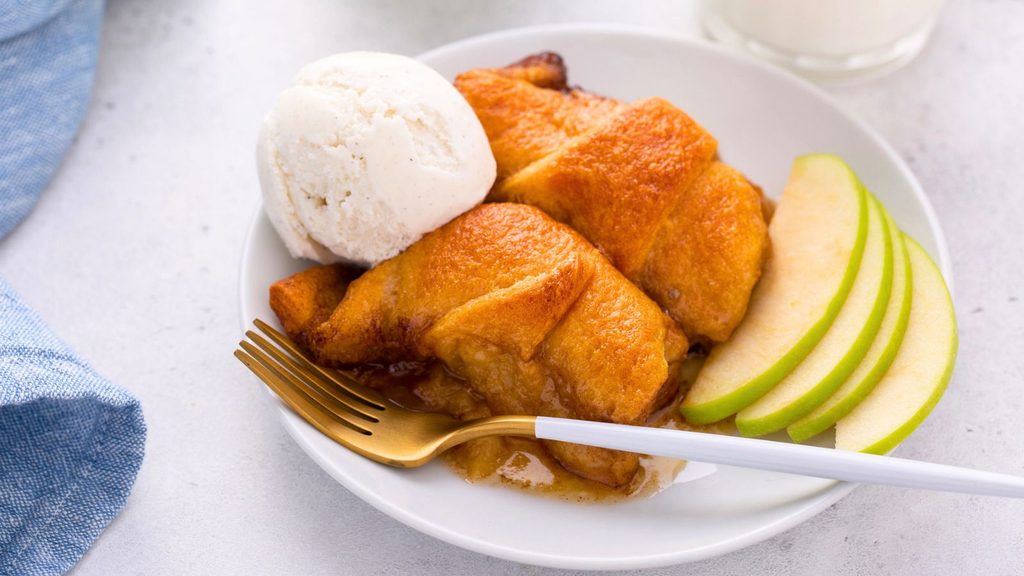
Apple dumplings became especially associated with Pennsylvania Dutch cooking, while versions of the dish developed across the United States. Traditional apple dumplings long predate Granny Smith’s place as a common American baking apple. Cooks used whatever the local orchard produced that week. The dough and the spice were the frame; the apple was the whole painting.
Apple orchards in many parts of the country are open for picking now, with more varieties arriving as the season progresses. The varieties that rarely make it to grocery-store shelves are available fresh for a limited window each fall. A dumpling is the simplest, most honest way to find out what they taste like.
Mandy writes about food, home and the kind of everyday life that feels anything but ordinary. She has traveled extensively, and those experiences have shaped everything, from comforting meals to small lifestyle upgrades that make a big difference. You’ll find all her favorite recipes over at Hungry Cooks Kitchen.