
Hikers are filling their packs with snacks and full coolers before they even reach the trailhead. Dinner has become part of the plan, right alongside the map and the boots. That kind of prep matters even more this year, with National Park Week running Aug. 22 to 30, 2026.
Most national park sites sit far from the nearest grocery store or restaurant, sometimes hours away. That distance matters once you’re deep into a hike or settled into camp for the night, since there’s no quick fix if you forgot something. So more hikers, campers and picnickers are planning every meal before they ever leave home.
Trail Meals
The National Park System includes 433 sites, and the National Park Service logged more than 323 million visits in 2025. Visitor use data shows consistent traffic at hundreds of those sites, even ones far from the nearest store.
Strenuous hikes can burn up to 4,500 calories a day, so hikers reach for food that packs a punch. Nut butter packets, jerky, hard cheese and energy bars are trail favorites. None of it needs a fridge, and all of it fits easily in a pack.
Hikers pack electrolytes too, especially on longer routes, since water matters just as much as food out there. Light, low-spoilage food makes the whole hike easier to manage.
Picnic Meals
Picnic meals need a different kind of planning. Sandwiches, salads, fresh fruit and dairy foods all need to stay cold. A cooler with ice packs keeps food below 40 degrees, which keeps everything safe to eat.
Many parks have tables and shaded spots for a relaxed meal. Driving in makes it easy to bring a full cooler. Most people eat around midday, when parks see the most visitors.
Some parks require bear-resistant containers for food storage. And every park expects visitors to clean up completely, leaving nothing behind.
Campsite Cooking
Camp dinners depend on stoves and fire rings. Some parks limit open flames during dry seasons, so it pays to check the rules before you go.
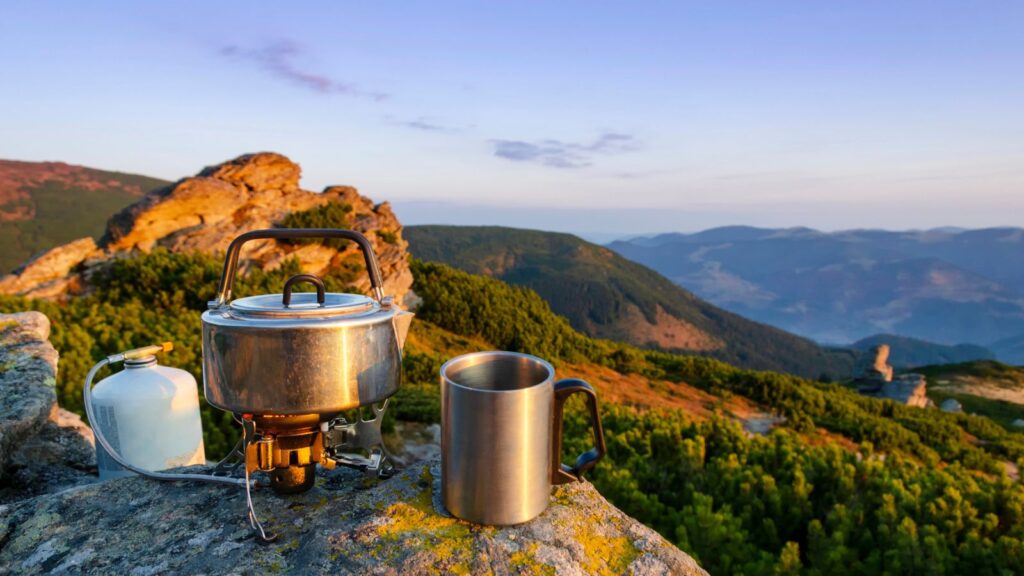
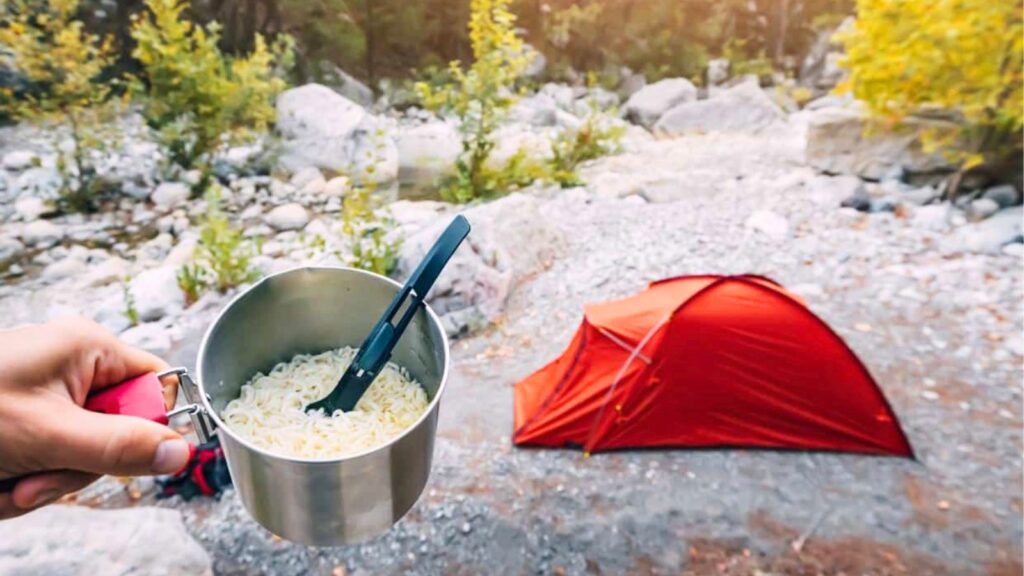
Propane and butane stoves work well for camp cooking. One-pot meals save water and cut down on cleanup. Pasta, rice dishes and soups are easy, reliable options.
Overnight campers get more time to cook than day visitors do. Meat and poultry still need to hit safe temperatures, even outdoors.
A little prep goes a long way, so pack meals ahead of time and freeze what you can. Frozen items keep coolers cold longer when they sit at the bottom. Check each park’s cooking and storage rules before you leave home. With the right plan, even the most remote parks turn into an easy, worry-free weekend away.