
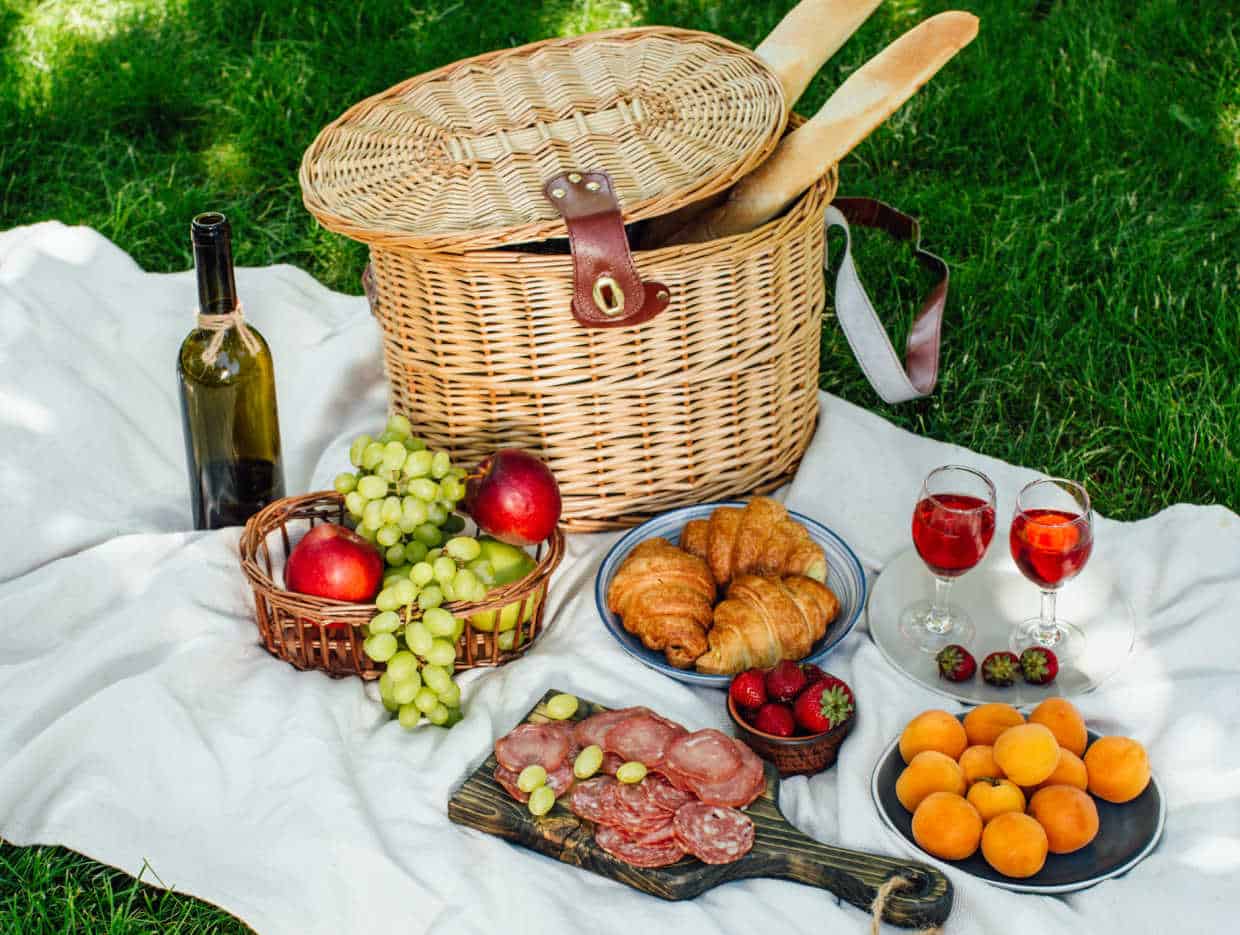
National Picnic Day on April 23 draws attention to a practical part of eating outdoors: packing food that can survive the trip. As more spring meals move to parks, beaches and roadside stops, picnic plans often come down to what will still hold up by lunchtime.
This post may contain affiliate link(s). As an Amazon Associate, I earn from qualifying purchases. See Disclosures.
A National Today survey found that 52% of Americans love picnics. Outdoor meals call for a different menu than lunch at home, with foods that travel safely, stay intact and still feel worth eating more likely to earn a place in the basket.
Choose favorites that can handle the trip
Millennials named sandwiches their favorite picnic food in a Picnic Day survey, while nonmillennials picked fried chicken. Both belong at a picnic, but they do not travel the same way once time, heat and tight packing affect the food. Sandwiches usually fare better when the bread stays firm and the filling does not slide, while fried chicken needs more care as steam in a closed container can soften the crust before lunch begins.
Familiar food does not automatically make good picnic food; a better test is whether it can sit in a cooler, ride in the car and come out ready to eat without losing too much texture. Items that stay structured and easy to handle after the trip are more likely to work well outdoors.
Adjust the menu for time and distance
Time in transit should guide the menu more than preference. A short drive to a nearby park gives cooks more flexibility than a beach outing or a long trip. Food can lose texture quickly once it sits in the car, gets carried across a parking lot and waits outside before serving, so the full trip matters as much as the recipe.
Distance also affects what to pack, as wraps, grain salads, pasta salads and whole fruit often travel better than delicate greens or loosely packed sandwiches when the outing includes extra walking, delayed eating or limited shade. Foods that depend on crisp leaves, careful stacking or exact timing usually become harder to manage once the trip gets longer.
The setting should help decide the menu. A lunch served right after arrival gives cooks more leeway than one that waits through setup, conversation and sun exposure. When lunch starts late, it makes more sense to bring foods that need little handling once they come out of the cooler.
Follow food safety rules closely
The Food and Drug Administration recommends that picnic food should not remain in the danger zone between 40 and 140 degrees Fahrenheit for more than two hours, or more than one hour when outdoor temperatures rise above 90 degrees Fahrenheit. Cold perishable foods should stay at 40 degrees Fahrenheit or below until serving, and hot foods should stay at or above 140 degrees Fahrenheit.
Those limits set clear boundaries for mayo-heavy salads, dairy sides, cut fruit, cooked chicken and other perishables. These foods can still work at a picnic, but only if the cooler stays cold and lunch is not delayed. Once temperatures rise or the meal starts late, they become harder to handle safely.
Food safety also changes what counts as convenient. A dish that feels easy at home can become a poor picnic choice when it needs frequent opening, extra prep or more time out of refrigeration than the outing allows.
Pack mains that stay intact
Picnic mains work best when they can travel without losing structure before lunch starts. Sandwiches with firm fillings, wraps, cold pasta salads, sealed grain bowls and cold roasted chicken are more likely to arrive ready to serve once the cooler opens.
Bread choice also matters, as soft bread can turn damp and flatten during the trip, while crustier rolls, denser sandwich loaves and tortillas protect the filling better. Fragile greens, heavily dressed dishes and mains that need to stay piping hot often break down before serving, so picnic menus work better with foods that can handle stacking, cooler time and changing temperatures without falling apart.
Bring sides that are easy to serve
Sides should meet the same standard as mains as they need to travel without turning messy, flat or unsafe. Whole fruit, cut vegetables packed cold, chips stored away from moisture and simple cold salads in sealed containers usually work with less risk than foods that spill easily or require last-minute fixing before anyone can eat.
A picnic side should also arrive ready to portion. When people can open the container, serve it quickly and move on without extra mixing, draining or cleanup, the meal stays simpler to manage, and the food spends less time sitting out.
Pack wet and dry items apart
The packing method should be part of the food decision because even well-prepared dishes can lose quality during the trip. Leak-resistant containers, insulated bags and ice packs help keep cold foods safe, while separating items protects them from spills and extra moisture.
Sauces, dressings and crunchy toppings should stay on the side until it is time to eat. This approach helps prevent bread from turning soggy, crisp foods from softening and nearby items from picking up liquid in the cooler, so the meal arrives cleaner and easier to serve.
Stick with easy drinks and desserts
Drinks and desserts need to pass the same travel test as the rest of the meal. Bottled water, canned sparkling drinks and other sealed beverages usually work better outdoors than pitchers or drinks that need pouring and extra ice after arrival, as they take less handling and create less mess.
Dessert also works better when it can travel without melting, smearing or collapsing in the container. Cookies, bars and other sturdy baked goods usually cause fewer problems than frosted desserts, soft pastries or anything that needs careful plating.
Keep the serving setup simple
The serving setup can make more of a difference than many cooks expect. A table at a local park can handle different dishes than a blanket lunch, a trunk setup or a spot near sand, wind or water. Limited spaces, uneven surfaces and extra cleanup all change what feels manageable once the containers come out, so the setting should narrow the menu before packing starts. A simple setup reduces extra handling, making neatly packed, easy-to-portion foods more practical than dishes that need assembly on site.
Picnic meals meet a new standard
National Picnic Day leaves behind a useful lesson for the rest of spring. The meals people return to are the ones that stay cold, hold their texture and still feel easy to eat by lunchtime. As more lunches move outdoors, packing well may matter as much as good cooking.
Zuzana Paar is the visionary behind five inspiring websites: Amazing Travel Life, Low Carb No Carb, Best Clean Eating, Tiny Batch Cooking and Sustainable Life Ideas. As a content creator, recipe developer, blogger and photographer, Zuzana shares her diverse skills through breathtaking travel adventures, healthy recipes and eco-friendly living tips. Her work inspires readers to live their best, healthiest and most sustainable lives.