
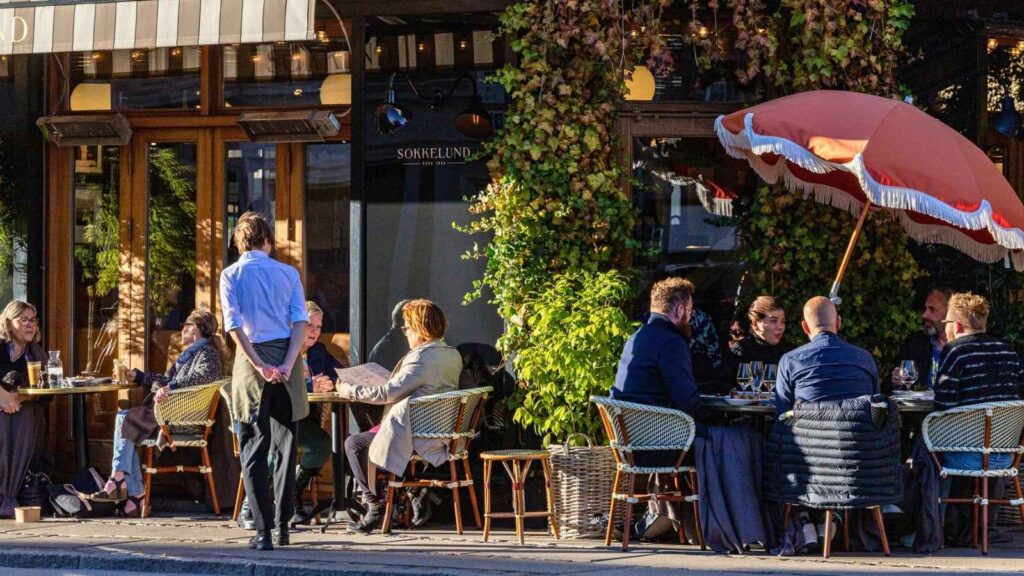
Spring is quietly becoming an outdoor dining season, and neither restaurants nor home cooks wait for summer to prove it. From rooftop bars filling on weeknights to backyard tables taking over casual get-togethers, the shift shows up in how Americans take advantage of the milder weather. For many, the first real sign of the season now starts at a table outside.
This post may contain affiliate link(s). As an Amazon Associate, I earn from qualifying purchases. See Disclosures.
About 3 in 10 Americans dine out at least once a week, according to YouGov’s 2025 U.S. dining-out report. Earlier patio use now affects dining habits across the country by influencing where people eat, how long they stay and what kind of setup feels comfortable on a spring evening.
Occasional diners need comfort
Earlier outdoor dining does not depend only on regular restaurant customers. About 20% of Americans dine out less often than once a month, so patios also need to be comfortable enough for people who choose restaurant meals carefully. For those diners, an outdoor table has to feel ready for a full dinner from the moment they sit down.
Comfort comes from small details that remove spring hassles. Heaters, wind cover, blankets, screened sections and seating that blocks a chill can make a patio feel usable for more than a quick drink. When restaurants get those details right, occasional diners have more reason to stay for a meal instead of asking to move inside.
Patios fill on weekdays
Restaurants open patios on weekdays as soon as the spring weather feels comfortable. With 55% of Americans preferring to dine outdoors when the weather is nice, restaurants treat patio seating as part of regular dinner service instead of holding it for weekends or peak summer.
Some restaurants focus more on outdoor spaces early in the season, with rooftops drawing particular interest among younger diners. OpenTable found that 62% of Gen Z prefer rooftop bars when dining outdoors, but even without a rooftop, restaurants can make patios feel like a real part of weekday service rather than extra seating.
Backyards take weeknight meals
Households utilize backyards for more than weekend hosting. As spring weather improves, regular dinners and casual daytime meals move outside, with patios, decks and backyard tables taking on a bigger role in daily meals. Outdoor dining at home now fits into the week as readily as it does into a weekend get-together.
Outdoor meals are easier to maintain when the setup is simple. Chairs already in place, a table ready for use and food that can be carried outside without much effort can make weeknight dining more realistic.
Outdoor menus stay simple
Earlier outdoor dining changes what people serve because the meal has to reach the table with less effort and fewer interruptions. Hosts and restaurants often choose food that carries well, plates quickly and remains easy to eat once everyone settles in outside.
Platters, grilled chicken, fish, vegetables, salads and sandwiches work well because they do not need constant attention after serving. These choices also reduce extra trips indoors, as one tray or bowl can handle much of the meal and keep dinner starting on time.
Drinks also work better when they are easy to set out at the start. Pitchers, bottled beverages and canned options keep service simple and prevent guests from waiting on constant refills.
Warmth and bugs matter
Staying outside longer for meals depends on how well people handle spring’s practical hurdles. Heaters, blankets, fans and screened areas make outdoor spaces easier to use, while earlier meal times help people avoid cooler air and the increase in insect activity after dusk.
Comfort is not just a luxury for outdoor dining. People may head outside for fresh air and a change of scene, yet they stay only when the space remains comfortable after the first few minutes. More restaurants and households now prepare for those small obstacles instead of waiting for perfect summer weather.
Outdoor dining expands in spring
Outdoor dining is becoming a regular part of spring rather than something saved for peak summer. Once spring dinners move outside regularly, the real test is how far restaurants and households are willing to extend the season. Summer may still bring the largest crowds, but spring is taking a bigger share of the dining calendar.
Jennifer Allen is a retired professional chef and long-time writer. Her work appears in dozens of publications, including MSN, Yahoo, The Washington Post and The Seattle Times. These days, she’s busy in the kitchen developing recipes and traveling the world, and you can find all her best creations at Cook What You Love.