
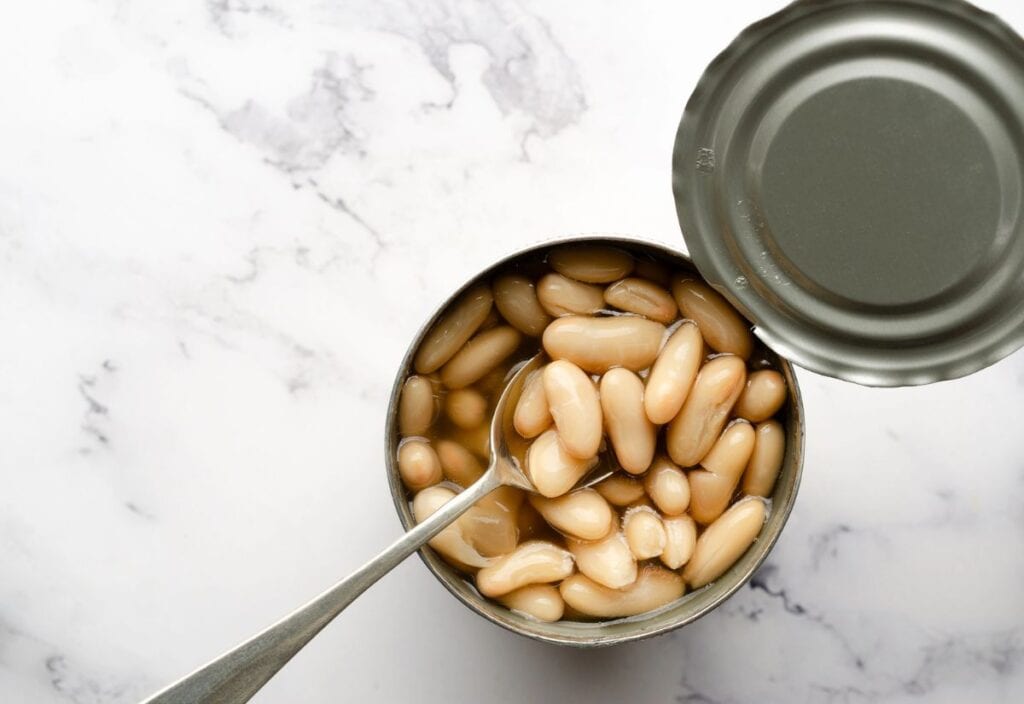
Canned beans are often underestimated as a main building block in home cooking, yet they quietly solve more cooking problems than most pantry staples. Used in dips, soups, salads and hearty dinners, canned beans add richness and depth that help meals feel complete. Their ability to thicken, bulk up and carry flavor makes them an ingredient worth keeping on hand.
This post may contain affiliate link(s). As an Amazon Associate, I earn from qualifying purchases. See Disclosures.
Canned beans deserve a second look
Canned beans are often treated as a backup, even though they can play a much bigger role in home-cooked meals. They work well for flexible, repeatable meals that are easy to adjust.
Nutrition experts point to canned beans as a quick source of plant-based protein and a practical pantry staple. That combination of usefulness and nutrition makes them worth keeping stocked for regular cooking, not just emergencies.
Cooking is easier with canned beans
Canned beans remove several common friction points in the kitchen at once. They’re already cooked, consistent in texture and predictable in performance, so they can be added late in the process without worrying about timing or doneness. Their reliability and flexibility take some of the guesswork out of cooking, and can round out a dish, stretch a meal or add substance without reworking the dish or requiring extra prep.
The ability of canned beans to hold up well once they’re added makes them especially useful in soups, dips and skillet meals. That reliability is what makes bean-forward meals work so well.
Beans add staying power to meals
Beans help meals feel filling and complete by adding both substance and structure. They thicken soups, add weight to salads and give skillet dishes enough body to stand on their own as a full dinner.
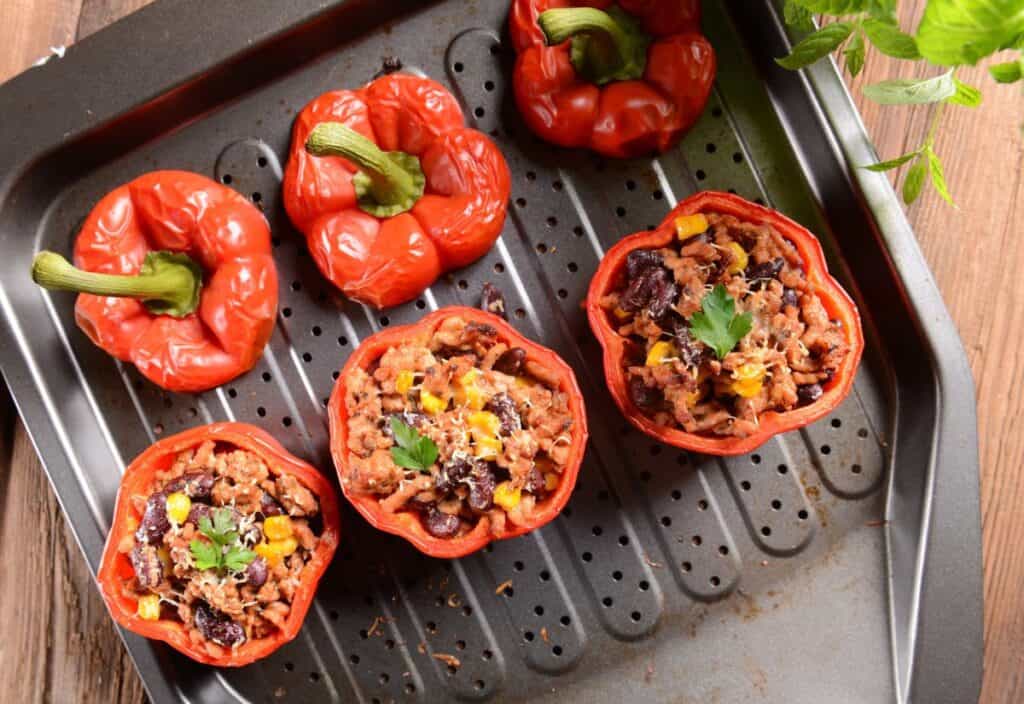
Left whole, they add a hearty bite, making them a natural fit for dishes like taco soup with black beans and kidney beans. Mashed or blended, they create a creamy base for dips, sauces and stews.
Different beans solve different cooking problems
Not all beans behave the same once they’re added to a dish, and that variety is part of what makes them so effective. Choosing the right type of bean can help a recipe turn out the way you want it to, whether that means creamy, hearty or firm enough to hold its shape.
Some beans naturally break down and add richness, while others stay intact. Keeping a few options on hand makes it easier to match the bean to the dish:
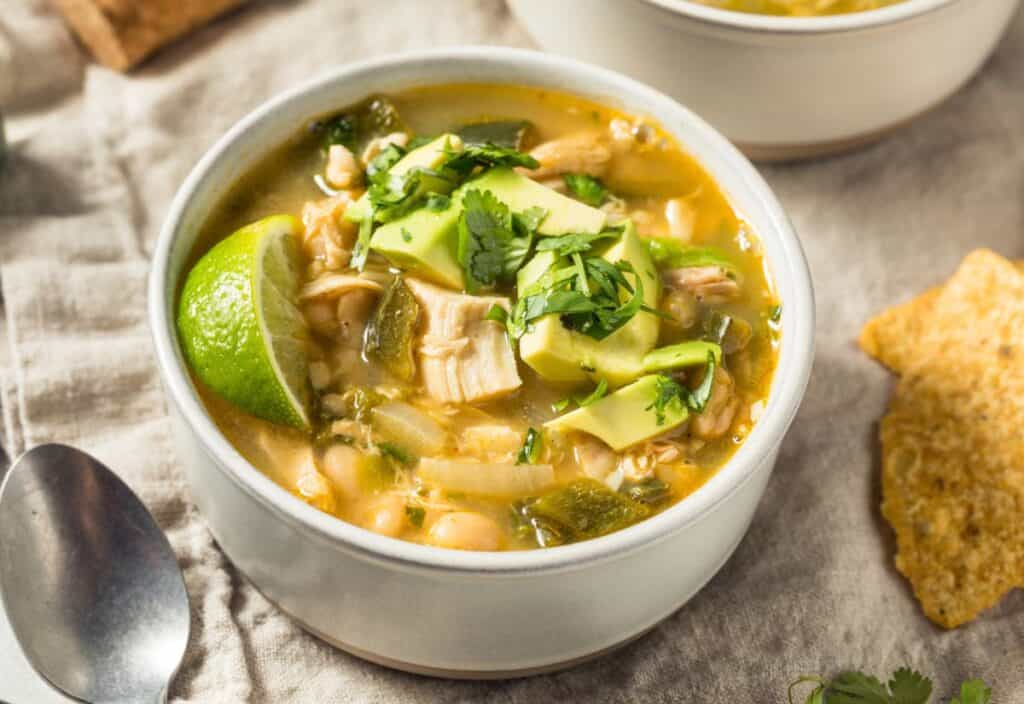
- White beans, like cannellini or great northern, work well as a creamy base for soups like white chicken chili, helping to thicken the broth.
- Chickpeas hold their shape and work well in salads, sheet-pan meals and other dishes where the beans need to stay intact.
- Black beans pair well with bold seasonings and sauces and are commonly used in skillet dinners, tacos and layered dishes.
- Pinto and kidney beans add heft, helping stews, chilis and one-pot meals feel hearty and filling.
A practical staple worth keeping on hand
When used with intention, canned beans support a style of cooking that’s practical and easy to maintain. They’re simple to work with, fit naturally into a wide range of meals and contribute plant-based protein. That balance of ease and usefulness is what makes canned beans a pantry staple worth relying on.
Tammy Camp is the recipe creator and writer behind Trop Rockin Recipes, where she shares easy air fryer recipes, slow cooker favorites, simple ideas for weeknight dinners and festive holiday treats . Tammy helps busy home cooks get delicious food on the table without the stress.