
Behind every packed lunchbox lies a small dilemma: how to make sure it actually gets eaten. Across households, parents are revamping school lunches by tweaking routines, adjusting portions and relying on what is proven to work. The goal isn’t for lunch to be trendy or picture-perfect, but to create a system that works consistently for families.
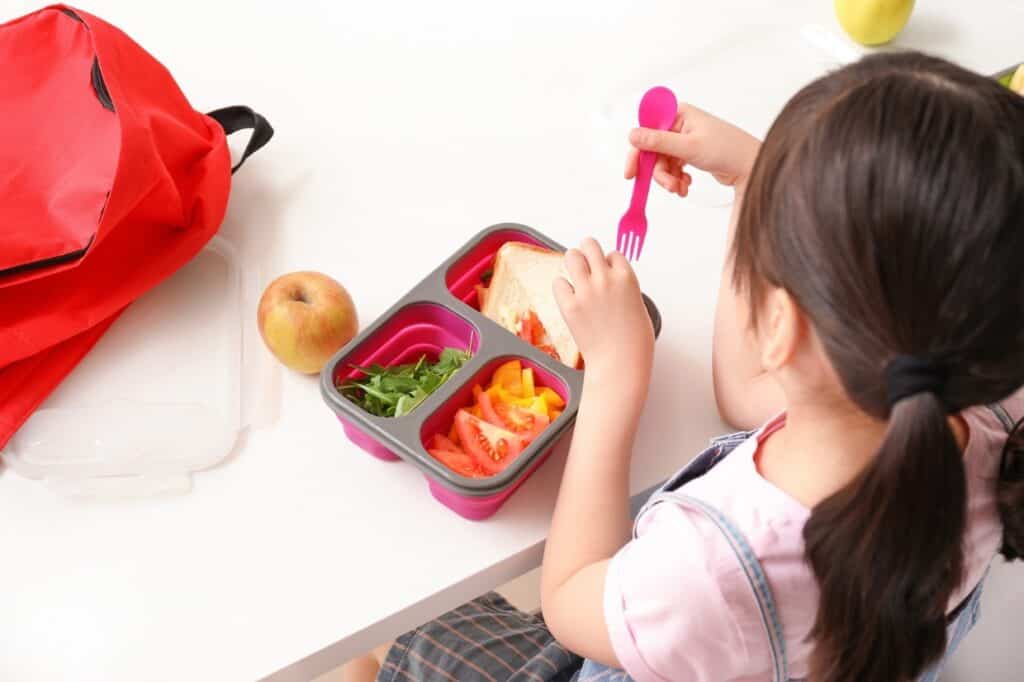
By listening to feedback and simplifying prep, parents are transforming school meals to save time, reduce waste and help kids stay full. Here’s a closer look at how families are improving lunch routines.
Turn lunch into a two-way street
Successful lunch-packing takes observing, listening and adjusting over time. It’s not just about offering something healthy or colorful, but recognizing patterns in what gets eaten and what comes home untouched. By tracking those preferences, parents can respond to changing tastes and reduce food waste.
When children feel heard, they’re more likely to eat their packed lunches. That’s why parents ask casual questions like, “What was the best part of lunch today?” instead of grilling them about leftovers. These small conversations turn lunch planning into a feedback loop rather than a guessing game.
Of course, meals still need structure. Parents need to set clear limits around what goes into lunchboxes. Research shows that too many choices can overwhelm young children and that they feel more secure when rules and boundaries are in place, even when it comes to lunch.
Keep it fun and effortless
Although looks for meals are secondary, kids do respond to presentation. Using a bento lunch box makes lunch more convenient and inviting.
Bento boxes also help include a variety of foods for balanced nutrition. One section can hold a serving of fruit like berries or melon stars, while another can fit vegetables like baby carrots or a cucumber. Other compartments can offer grains, like pasta salad and whole-grain crackers.
Once the basic building blocks are in place, adding a personal touch helps elevate the lunch from practical to memorable. A sticker, a cheerful note or a napkin with a doodle can show care and consistency, even on busy mornings. And when lunch feels more like a surprise than a routine, kids are more likely to explore and enjoy what’s inside.
Simple meals kids actually eat
Although kids don’t usually choose well-rounded lunches, turning these meals into colorful, bite-sized and easy-to-eat treats makes them more likely to get eaten. These tasty meal ideas check the nutrition boxes without much fuss.
Hummus and pita combos
Hummus and pita have earned their spot in many lunchboxes, thanks to their strong nutritional profile and convenience. Hummus provides plant-based protein and fiber, while pita or pretzel crisps offer a satisfying crunch to whole grains. When paired with raw vegetables like snap peas or carrots, this tasty trio hits multiple food groups at once.
Cheese, fruit and crackers
Cheese, fruit and whole grains satisfy multiple nutritional needs in one compact meal. Cheese cubes deliver calcium and protein, while apple slices offer fiber and natural sweetness. Add whole-grain crackers for carbs, and you have a low-fuss meal that appeals to most age groups.
Mini sandwiches or pinwheels
Mini sandwiches or pinwheels are a practical way to combine protein, grains and vegetables into a fun, portable format. Using whole-grain tortillas or bread with filling combos like turkey and cheese or hummus and shredded carrots keeps the meal nutritious and customizable.
Pasta salad with veggies and cheese
Cold pasta salad is a great opportunity to pack grains, vegetables and protein into a single dish. Mix whole-wheat pasta with cherry tomatoes, cucumbers, mozzarella or chickpeas, then drizzle with light olive oil or vinaigrette dressing for a satisfying and balanced meal.
DIY yogurt parfaits
Yogurt parfaits are a fun way to cover dairy, fruit and whole grains in one container. Start with plain or low-sugar vanilla yogurt, then layer in berries for antioxidants and fiber. Finally, offer granola on the side to keep it crunchy. Kids enjoy building their parfaits, and the variety keeps the meal exciting while meeting key nutrition goals.
Tips for dealing with picky eaters
Navigating picky eating can feel like a daily puzzle. The key is striking a balance between offering structure and giving kids just enough control.
Include a safe food every time
Picky eating often isn’t about defiance; it’s about predictability and trust. Including one lunch item that your child always eats can create a sense of safety when trying new things. It reduces anxiety around unfamiliar foods and encourages them to explore without pressure.
Repeated exposure builds trust and familiarity
Children may need to try some foods many times before they begin to enjoy them. They may not like every food on the first try, but that doesn’t mean it’s a lost cause. Having regular, low-pressure opportunities for them to taste those same foods over time helps reduce hesitation and supports a more varied, long-term diet.
Create a no-thank-you list
A no-thank-you list allows kids to politely identify foods they truly dislike, which helps avoid conflict during mealtimes. This strategy empowers them to voice their preferences while still setting clear expectations around trying new foods. It also lets parents focus on variety without repeating meals that are constantly rejected.
Less waste, more bites
In the end, school lunches that get eaten rely on consistency, connection and care. The most successful lunches aren’t the flashiest or the most elaborate; they’re the ones packed according to what works for each child. With small adjustments, honest feedback and a little creativity, parents can find empty lunchboxes when they come home.
Mandy writes about food, home and the kind of everyday life that feels anything but ordinary. She’s travelled extensively, and those experiences shaped everything, from comforting meals to little lifestyle upgrades that make a big difference. You’ll find all her favorite recipes over at Hungry Cooks Kitchen.