
Wine lovers often debate varietals and vintages, but the science behind wine temperature, storage and pouring can be just as decisive in shaping the drinking experience. Factors such as serving condition, ambient humidity and pouring technique influence everything from aroma intensity to mouthfeel. Get those elements right, and a well-made wine will reveal its full range of flavors and textures.
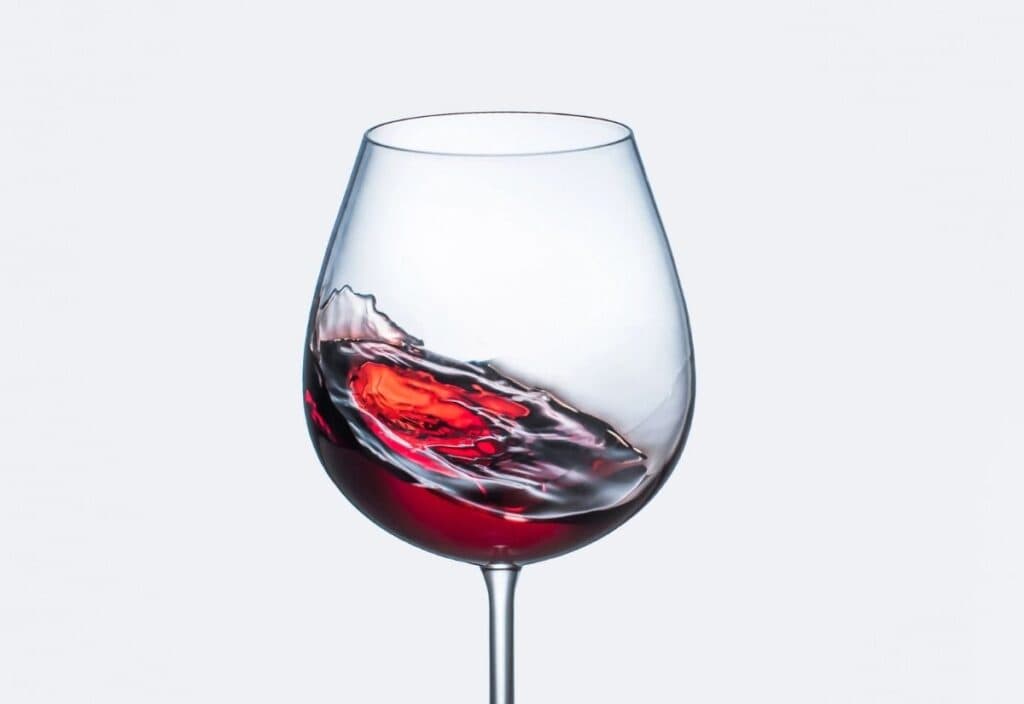
Preserving delicate floral notes in a riesling, keeping a pinot noir’s earthy undertones intact or ensuring a Champagne retains its effervescent sparkle showcases what precise handling can achieve. That level of attention elevates wine from an everyday drink into a calibrated sensory experience.
The role of temperature in wine enjoyment
Serving wine at the right temperature is one of the simplest ways to bring out its true character, no matter the style in your glass. Medium to full-bodied reds perform best at 60 to 65 degrees Fahrenheit, a cool range that highlights structure and sweetness without allowing the alcohol to overwhelm. On the other hand, chillable reds do well at 55 to 60 degrees Fahrenheit, where they retain their vibrancy with a refreshing edge.
Moving from reds to lighter styles, whites shine between 45 to 55 degrees Fahrenheit, a range that keeps acidity crisp and fruit notes vivid while also preserving delicate floral and mineral elements. When served too warm, these nuances can fade quickly, muting the wine’s character. Properly chilled whites taste more refreshing and show off their structure with every pour.
Meanwhile, sparkling wines stay bright and energetic at 40 to 50 degrees Fahrenheit. By keeping them in this zone, fine bubbles stay intact, crisp flavors shine and the texture remains vibrant on the palate. However, freezing disrupts this balance, muting the wine’s profile.
Wine storage fundamentals
Proper storage is just as crucial as serving wine, because even a perfectly chosen bottle can lose its character if mishandled. Without the right conditions, aromas fade, flavors dull and texture changes, leaving the wine past its peak before the cork is even pulled.
A range between 45 to 65 degrees Fahrenheit is generally ideal because it supports slow, balanced aging while keeping the wine stable. Large temperature swings can disrupt the process, as they accelerate aging and can cause unwanted flavor changes. Maintaining control over temperature, along with about 70% humidity to keep corks from drying, helps protect the wine’s long-term quality.
Light control also matters for both short-term and long-term storage, since UV rays can speed up aging and change a wine’s flavor. Short-term storage requires a cool, dim spot away from windows, while long-term storage benefits from a dark cellar or wine fridge. Keeping bottles protected from direct sunlight also helps preserve labels and, when paired with proper humidity, maintains the wine’s integrity until it’s opened.
Finally, store cork-sealed bottles on their sides to keep the cork moist and airtight. This position helps prevent oxidation, ensuring the wine stays fresh. When paired with stable temperature, proper humidity and protection from light, correct bottle orientation rounds out a complete storage plan that preserves wine quality over time.
Pouring techniques that matter
Before the wine reaches the glass, how it’s poured plays a key role in shaping the overall experience. Holding the bottle at the base or neck, tilting it slightly and pouring in a steady stream helps maintain control and ensures the wine lands gently in the glass without unnecessary agitation.
Decanting is another step that can transform a wine’s taste and smell. Decanting a bold merlot from Konzelmann Estate Winery can soften tannins and unlock deeper aromas, bringing out complexity and harmony in the wine. Certain whites also benefit from this method, which reveals subtler layers and textures that remain hidden in these drinks.
Before considering how much to pour, remember that portioning affects both the visual appeal and the wine’s evolution in the glass as it interacts with air. Measuring out around 5 ounces per glass gives enough room for swirling, which encourages oxygen to unlock aromas and soften flavors in the glass. This thoughtful approach lets the wine build gradually, enhancing each sip.
That sense of intentionality in the dining experience naturally complements the joy of pairing wine with a meal. As sommelier Javier Rocafort of Uncorked Vines explains, “Pairing wine with food can feel complicated, but it doesn’t have to be. Try this at home: serve the same meal with a glass of white, red and rosé. It’s a relaxed way to understand why certain wines work better with certain dishes, and you’ll probably discover a few new favorites along the way.”
Common mistakes to avoid
First-time wine drinkers or even the most careful wine lover can slip into habits that unintentionally spoil a great bottle. Some mistakes seem harmless, but they can quietly strip away flavor, aroma and texture. Knowing what to watch out for turns every pour into a better, more enjoyable experience.
Storing wine near heat and vibration
Storing wine in the kitchen near heat sources exposes it to damaging warmth and vibration, which can prematurely age the wine and alter its intended flavor profile. Proximity to ovens, stovetops or appliances that generate heat can create unstable temperature conditions. Over time, this constant stress can diminish complexity and shorten the wine’s lifespan.
Using the wrong glass for the wrong wine
Wide glasses for sparkling wine let bubbles escape quickly, reducing both the effervescence and the crispness of the sip. Using flutes or tulip-shaped glasses helps preserve carbonation, concentrate aromas and maintain a lively mouthfeel. Check out RIEDEL’s collection of varietal-specific wine glasses to get the most from every sip.
Overfilling glasses
Overfilling glasses limits aroma release and makes swirling difficult, which in turn restricts oxygen exposure that can help open up the wine’s bouquet. Pouring a moderate amount allows the wine to move and release its aromatics, which helps maintain balance between aroma concentration and ease of drinking.
Not refrigerating open bottles promptly
Leaving an open bottle unrefrigerated overnight accelerates oxidation and dulls flavors, robbing the wine of its vibrancy. Refrigerating slows the chemical changes that degrade the wine’s quality, preserving its freshness for the next pour. Even reds benefit from this step, as cooler temperatures help extend their drinkability after opening.
Raising a glass to better wine moments
Wine combines chemistry, craftsmanship and care, and the smallest choices can transform a sip into an experience. The storage conditions, serving temperature and the precision of the pour all contribute to how a wine smells, tastes and feels. Understanding these details is the key to unlocking the flavors exactly as the winemaker envisioned.
Jennifer Allen is a retired professional chef and long-time writer. Her work appears in dozens of publications, including MSN, Yahoo, The Washington Post and The Seattle Times. These days, she’s busy in the kitchen developing recipes and traveling the world, and you can find all her best creations at Cook What You Love.