
Spring travel moves beyond the biggest U.S. tourism hubs as more Americans build trips around smaller cities and secondary destinations, including lesser-known spots or side trips outside the usual options. The main reason is as practical as it is scenic: easier bookings, lighter crowds and enough restaurants, museums or outdoor stops to fill a long weekend without overcomplicating the trip.
This post may contain affiliate links that may earn us a commission. For more information, see our Disclosures.
Domestic travel by U.S. residents is forecast to grow by about 4% in 2026, with IBISWorld saying World Cup matches will support part of that increase. As more travelers move through major host markets, some of that demand is likely to extend into nearby smaller cities and destinations.
Travelers look beyond the usual spots
IBISWorld estimates 717 million domestic trips by U.S. residents in 2026, indicating another active year for travel. Even with demand staying strong, not every traveler is aiming for the biggest-name destinations.
For many spring travelers, the value now starts with how a trip fits into a long weekend. A walkable core, shorter lines, simpler parking and stops within easy reach can matter as much as name recognition, especially when a city offers enough dining, sightseeing and outdoor options to keep the days full without crowding the schedule.
Smaller cities draw more spring interest
Many of the cities getting a second look are the ones that can hold a weekend on their own. These trips let travelers eat well, see the main sights and still leave room for a waterfront walk, a museum stop or a drive into the hills.
In Savannah, Ga., a spring trip can revolve around walkable historic streets and the River Street waterfront. Downtown Savannah shows how easy it is to get around on foot, while River Street adds shops, restaurants and river views that can carry a weekend without relying on a metro-sized plan.
Around Greenville, S.C., a smaller downtown trip can center on Falls Park on the Reedy and Liberty Bridge, then extend naturally beyond the city center. Travelers can continue into Caesars Head, where the Blue Ridge Escarpment drops about 2,000 feet to the Piedmont below. The surrounding area includes more than 50 waterfalls, in what is often described as one of the highest concentrations of waterfalls in the Eastern United States.
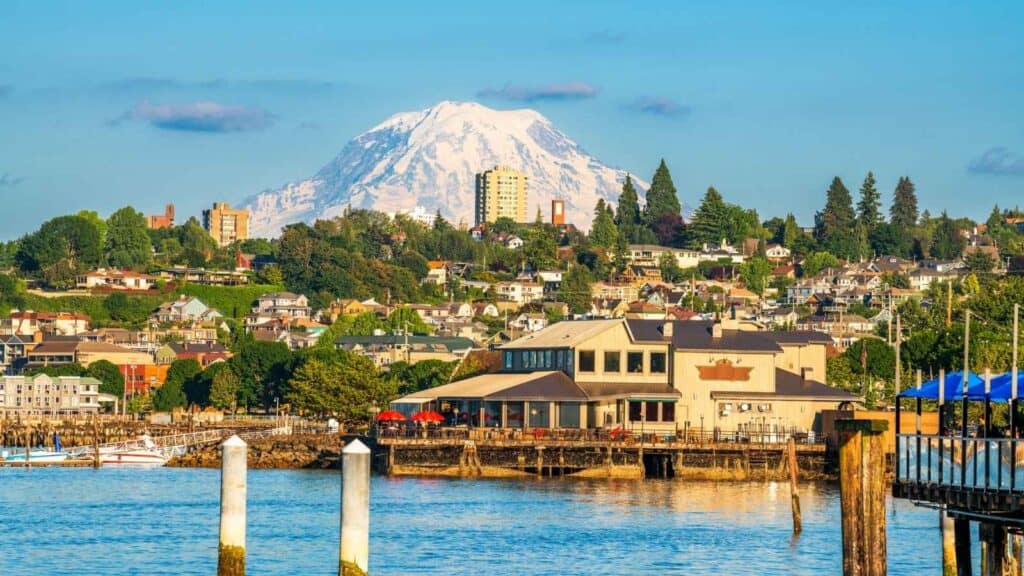
In Tacoma, Wash., travelers can spend one part of the weekend along the waterfront and another in the Museum District without making the trip feel too spread out. Often overlooked by those drawn to Seattle, Tacoma’s waterfront and six-museum district give it enough range to stand on its own as a weekend getaway.
In Providence, R.I., a trip can focus on a compact city with a strong dining and arts identity. Restaurants, neighborhoods and cultural stops make it a practical food-driven weekend, and it can work as a quieter option for travelers who might otherwise default to Boston.
In Fredericksburg, Texas, spring travel leans into wine country, downtown browsing and Hill Country drives. The town offers a slower-paced getaway built around local shops and scenic roads, and it pairs easily with time in the surrounding Hill Country.
Secondary destinations make trips fuller
Secondary destinations no longer serve only as backups to bigger cities. Expedia Group’s Unpack ’25 report found that 63% of consumers are likely to visit a detour destination on their next trip, reinforcing the idea that many travelers want side stops that add range without overloading the itinerary.
From New York City, Philadelphia works as an easy add-on with enough history, food and walkable sightseeing to support more than a quick stop. Travelers can spend time in Old City, market areas and museum districts without treating the visit as a rushed day trip.
Near Portland, Maine, Biddeford offers a quieter stop with its own arts and culture identity. It gives travelers another place to spend time without feeling like an overflow destination, and it can broaden a coastal weekend, with a downtown that feels different from Portland.
From Louisville, Ky., Lexington fits easily into the same trip while bringing a distinct draw through horse country, Keeneland and the region’s travel culture. The result is a side trip that adds local character and scenery without requiring a major change in route or pace.
Travel demand reaches more regions
Americans are not backing away from travel plans. What is changing is where they spend their time and money, as smaller cities and secondary destinations gain more consideration for spring trips. Places that offer walkability, local identity and a manageable weekend have a real chance to turn first-time visits into return trips.
Jennifer Allen is a retired chef turned traveler, cookbook author and nationally syndicated journalist; she’s also a co-founder of Food Drink Life, where she shares expert travel tips, cruise insights and luxury destination guides. A recognized cruise expert with a deep passion for high-end experiences and off-the-beaten-path destinations, Jennifer explores the world with curiosity, depth and a storyteller’s perspective. Her articles are regularly featured on the Associated Press Wire, The Washington Post, Seattle Times, MSN and more.