
Every sourdough baker who feeds a starter ends up with discard, the portion removed before each feeding. Many throw it out, yet many recipes list it as an ingredient. Discard adds flavor but does little to help bread rise, so it suits some dishes better than others. National Homemade Bread Day on Nov. 17 gives bakers with extra starter a reason to put it to work without baking a loaf.
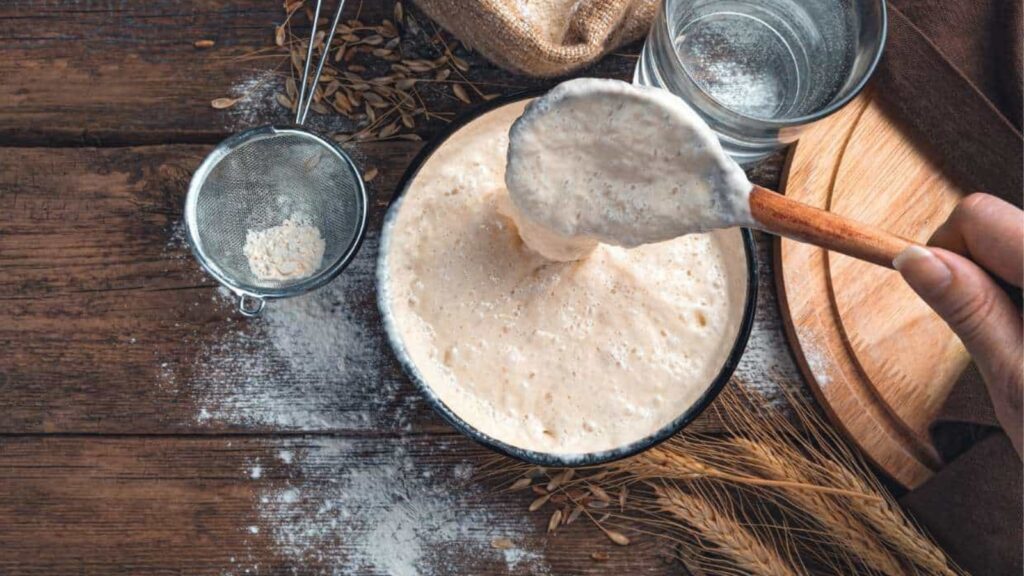
A sourdough starter begins as flour and water left to sit. Each day after that, the baker mixes a portion with fresh flour and water, and the routine runs for weeks until the starter is active enough to make dough. Sourdough is more forgiving of mistakes than some other fermented foods, which suits beginners.
Unless a baker uses the starter daily, some has to be removed before each feeding, or the amount to feed keeps growing. A starter kept at room temperature needs feeding twice a day, which leaves more discard than a refrigerated one. Removing some keeps the feedings small, and the discard still goes into many recipes beyond bread.
Sourdough bread topped 2020’s list of recipe searches
Sourdough baking grew in popularity after March 2020, largely because an early-pandemic yeast shortage made other breads hard to make and more people were home with time to spare. Sourdough also ranked first among U.S. recipe searches on a year-end list of the top searches of 2020. U.S. search interest in sourdough starter peaked at 90 on a 100-point index in April 2020 and stood at 85 in January 2026. Interest in sourdough bread reached 100, the index’s highest point, in that month.
Interest in sourdough bagels, focaccia, cinnamon rolls and pizza has climbed as well. U.S. search interest in sourdough bagels and focaccia each averaged about 7.5 times higher so far this year than over the same period of 2022. Pizza stayed the most searched of the four in that comparison.
Discard works in dishes that are not loaves
A 30-gram starter fed 30 grams of flour and 30 grams of water would reach 90 grams at the next feeding, and that 90 grams would then need 90 grams each of flour and water, so the amount to feed grows exponentially unless some is removed. Taking a portion out also keeps the volume of microorganisms steady as the starter grows. What comes out still goes into pancakes, waffles, crackers and cookies, which do not depend on the starter to rise.
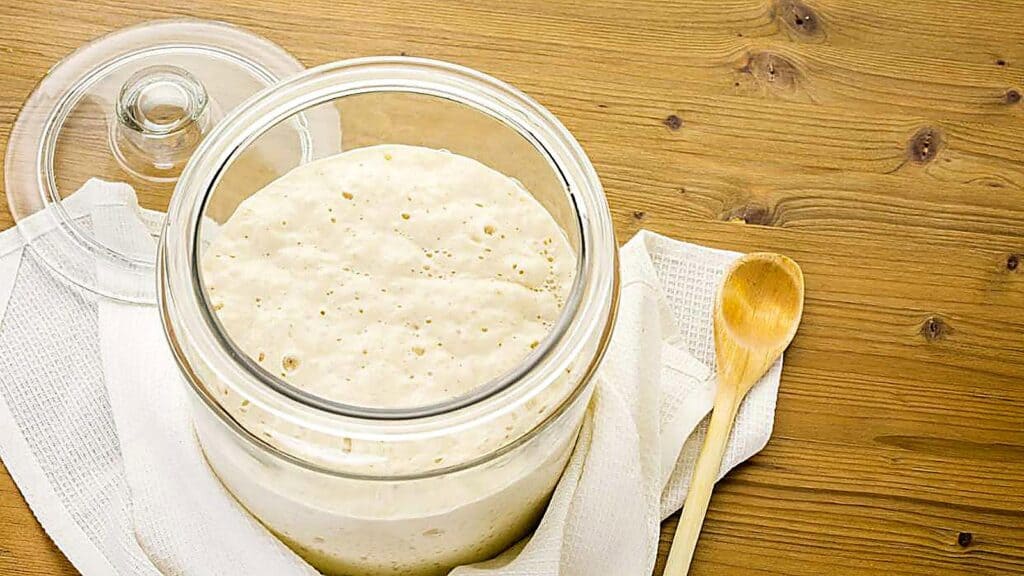
Discard adds flavor more than lift
Recipes that do not rely on discard for lift can still use it, because discard adds a fermented flavor to baked goods. Bakers generally replace no more than one-third of a recipe’s flour with discard. Because a starter is usually equal parts flour and water by weight, 100 grams of it replaces 50 grams of flour and 50 grams of water. Batters with plenty of liquid, such as muffins and snacking cakes, usually work.
Once established, a starter can go into the refrigerator, usually after seven to 10 days, and then needs feeding only once a week. Discard can be stored in the refrigerator or freezer until it is needed, but a starter with green, pink or orange spots has gone bad. A liquid layer on top of a starter that smells of alcohol is normal and can be poured off or stirred in, and whitish clumps on a refrigerated starter are safe yeasts, not mold. Bakers throw out any starter that shows fuzzy or colored mold.
Savory sourdough starts at breakfast and ends at dinner
Discard is on hand whenever a baker feeds the starter, which makes breakfast an easy first use. A ready starter is bubbly and batter like, and a small spoonful can float in room-temperature water. That texture suits sourdough pancakes and other pourable batters. English muffins have nooks that hold melting butter, and popovers puff into tall shells that are mostly air. Herb and scallion pancakes add a savory option. At dinner, crackers bake into thin sheets that snap instead of bend, and pizza crust stays chewy.
Sweet sourdough runs from cookies to waffles
Sweet recipes use the fermented flavor that discard adds to baked goods, and yeast and bacteria in sourdough give it a sour taste. A chocolate chip cookie has a chewy middle and a hint of that flavor. Cinnamon crumb cake has a tender body under a thick cinnamon topping, and chocolate cake is another option.
Waffles and granola are the crisp sweet options. Waffles have grid pockets that hold syrup, and granola bakes into crunchy clusters. Classic pancakes are the soft counterpart, and recipe developers are always creating new, inventive recipes that use sourdough discard.
Bakers can save discard until they need it
Once a starter is established, bakers can keep the discard instead of throwing it away. It can go into the refrigerator or freezer until the baker is ready to bake, with more added at each feeding. Any leftovers can go to a friend who wants to start a starter.
Mandy writes about food, home and the kind of everyday life that feels anything but ordinary. She has traveled extensively, and those experiences have shaped everything, from comforting meals to small lifestyle upgrades that make a big difference. You’ll find all her favorite recipes over at Hungry Cooks Kitchen.