
The spring equinox arrives on March 20, 2026, and food and drink operators already treat the seasonal shift as a cue for a new round of menus. Across coffee shops, quick-service chains and bars, floral and herbal notes are moving into drinks that now lead spring menus.
This post may contain affiliate link(s). As an Amazon Associate, I earn from qualifying purchases. See Disclosures.
Spring menus do more than introduce new flavors. They also let businesses rotate limited-time drinks and give familiar orders a fresh seasonal identity, with botanical ingredients working easily across coffee, tea, soda and cocktail menus.
Spring brings a botanical surge
Persistence Market Research values the global botanical-infused beverages market at $398.4 million in 2025, up from about $373.4 million in 2024, and projects a 7.8% compound annual growth rate through 2032. Demand for sugar-free and low-calorie options, rising interest in nonalcoholic botanical drinks, wider plant-based purchasing and changing consumer buying habits help drive that growth.
Spring menu activity began weeks before the equinox. Starbucks previewed its spring lineup Jan. 26 and rolled it out on March 3, offering Iced Lavender Cream Chai, Iced Ube Coconut Macchiato and Toasted Coconut Cream Cold Brew. BeverageDaily also reported that Twinings expanded its ready-to-drink sparkling tea line in 2026 with Revive, a peach-led drink with elderflower infusion.
Botanicals move beyond garnish
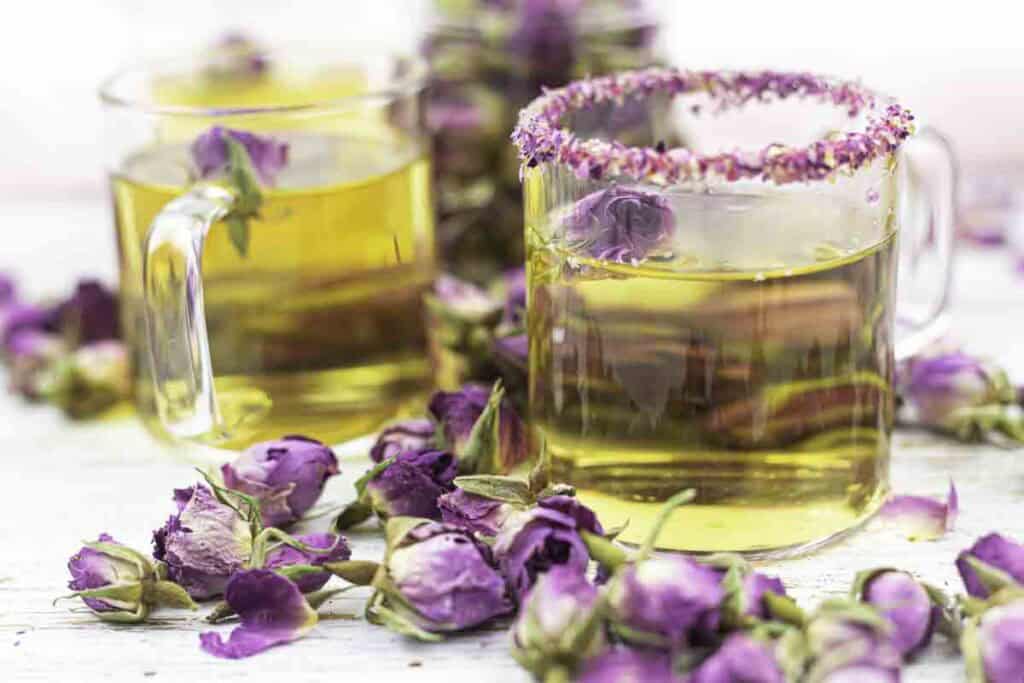
Lavender and hibiscus now appear as core ingredients instead of garnishes that serve as a finishing touch. Chick-fil-A introduced four strawberry hibiscus beverages on March 9, placing botanical flavors in drinks built for everyday traffic instead of niche bar programs or specialty menus. Beverage developers now use florals and herbs to define flavor profiles across coffee drinks, teas and spirit-free serves.
These ingredients are often the first notes customers notice, giving drinks a character that stands out rather than fading into the background. On menus, they help distinguish the drinks from familiar options such as standard chai, lemonade or tea.
Mocktails and functional drinks expand the market
Botanicals gain more business value when they move beyond seasonal flavor and into fast-growing drink categories. International Wine and Spirits Record forecasts 36% growth in global no-alcohol analog volume from 2024 to 2029, including an estimated 9% increase in 2025, reaching more than 18 billion servings in 2029. The same firm says alcohol-adjacent beverages, a group that includes many functional drinks, grew 11% in 2025.
Innova Market Insights also reports that 19% of consumers prioritize functional beverages over personal care routines for healthy aging support, suggesting drinks are becoming a more regular part of wellness spending. That shift keeps botanicals relevant as beverage developers experiment with drinks positioned around health and beauty benefits. Floral and herbal notes now spread across zero-proof cocktails, sparkling refreshers and health-focused drinks, where botanicals add aroma, bitterness and complexity without relying on alcohol.
Botanical drinks earn a longer run
The real test comes after the spring rollout, when limited offers either fade or remain on the menu. If customers continue to order drinks with lavender, hibiscus and elderflower after the equinox window closes, companies will have stronger evidence that these ingredients belong in year-round planning, not only seasonal promotions. Spring 2026 could become the season when botanical flavors secured a steadier role on beverage menus.
Mandy Applegate is the creator behind Splash of Taste and seven other high-profile food and travel blogs. She’s also the co-founder of Food Drink Life Inc., a unique and highly rewarding collaborative blogger project. Her articles appear frequently on major online news sites, and she always has her eyes open to spot the next big trend.