
Toy crazes can turn an ordinary shopping trip into a story families repeat for decades. A sold-out doll, a playground obsession, or a toy that suddenly seemed to be everywhere could become the thing every kid wanted. These 11 toys became cultural moments, remembered as much for the frenzy around them as for the fun they brought home.
Troll Dolls
Thomas Dam began making his odd little troll figures in Denmark in the 1950s, and demand quickly grew beyond his home country. By 1964, Americans bought more than 1 million Dam trolls. Their wild hair and exaggerated faces helped make them one of the decade’s most familiar toy crazes.
Lite-Brite
Lite-Brite was not a shortage-driven frenzy, but it became the kind of toy that kept returning to Christmas lists. Hasbro introduced it in 1967 with a single bulb, black paper and colored plastic pegs. The basic idea proved durable enough to keep the toy popular for more than 50 years.
Nerf Blasters
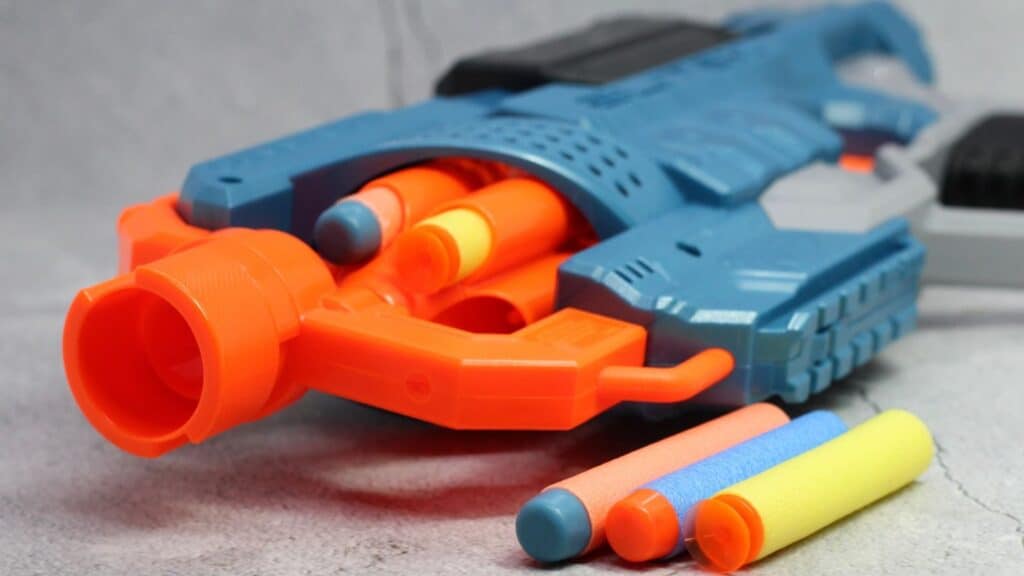
Nerf began with a four-inch foam ball that Parker Brothers introduced in 1969 as an indoor-friendly toy. The company sold about 4 million Nerf Balls in the first year. In 1989, it added Blast A Ball, beginning the long-running line of Nerf launchers and blasters.
Rubik’s Cube
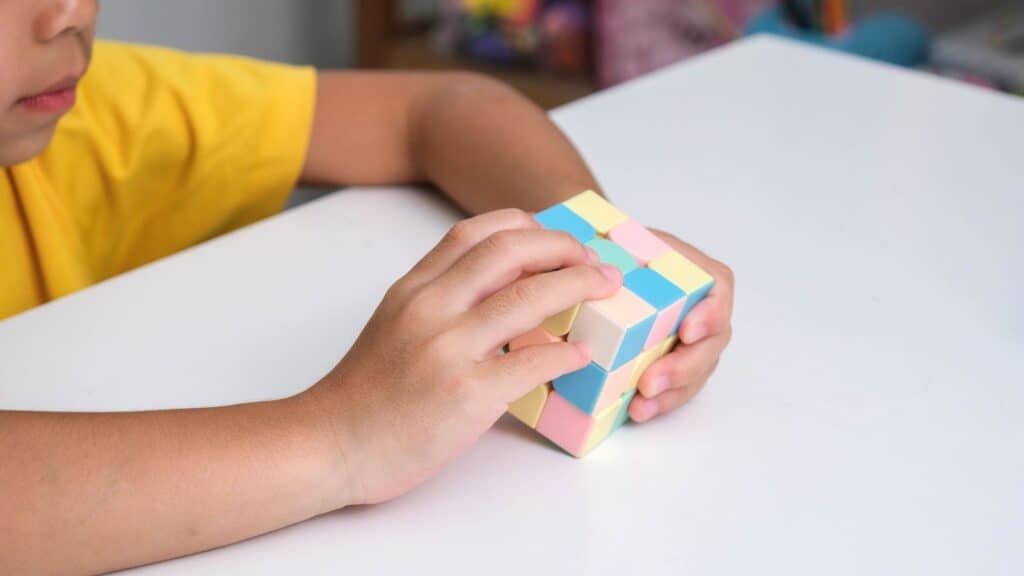
Hungarian professor Ernő Rubik created his three-dimensional cube in 1974. It later became the Magic Cube in Hungary before reaching the wider world as Rubik’s Cube in 1980. The puzzle quickly became a global craze and inspired generations of people to learn its twists, patterns, and solutions.
Cabbage Patch Kids
Few holiday toy stories match the frenzy around Cabbage Patch Kids in 1983. TIME reported that 5,000 shoppers gathered at a Hills store in Charleston, West Virginia, where pushing and grabbing erupted. At a Zayre store in Pennsylvania, a woman suffered a broken leg and a manager grabbed a baseball bat.
Pound Puppies
Tonka brought Pound Puppies to the U.S. in 1985, giving children a plush dog that came with an adoption theme instead of batteries or moving parts. More than 2.5 million were sold that year at about $30 each. A television cartoon followed in 1986.
Beanie Babies
Beanie Babies arrived in 1993 and grew from modest beginnings into a collecting craze. Retired designs and hard-to-find animals helped feed the excitement. By 1998, a USA Weekend poll found that 64% of Americans owned at least one, showing just how far the craze had spread.
Pogs
Pogs revived an old Hawaiian milk-cap game and turned it into a schoolyard obsession in the early 1990s. Players stacked the cardboard disks, hit them with heavier slammers and often kept what they flipped. Some schools banned the game after arguments and concerns that playing for keeps looked too much like gambling.
Tickle Me Elmo
Tickle Me Elmo arrived in 1996 with an initial production order of 400,000 dolls. Demand exploded during the Christmas season, and Tyco raised production for the year to 1 million. Stores sold out, fights made news, and the giggling red Sesame Street toy became one of the era’s best-known holiday shopping crazes.
Tamagotchi
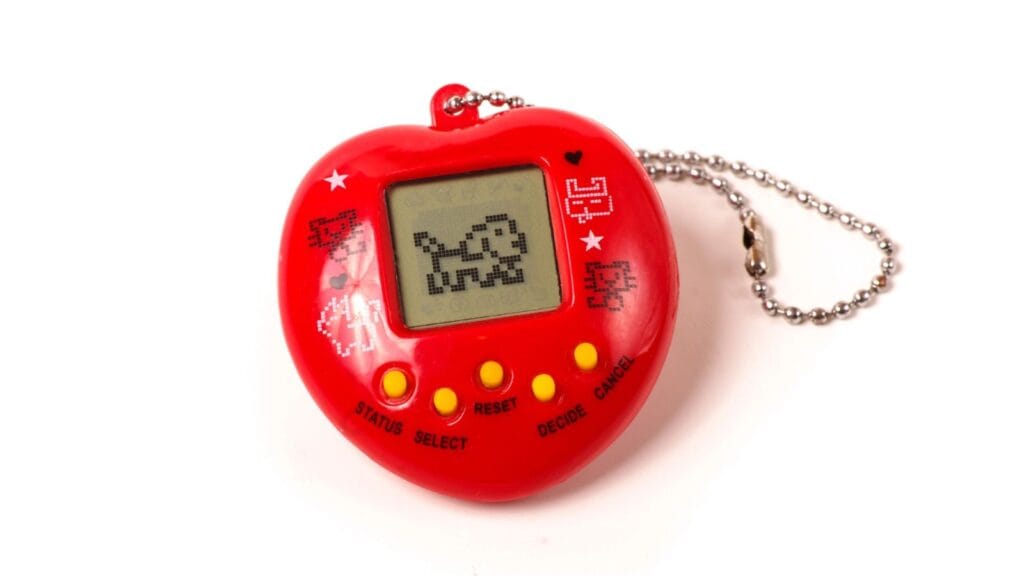
Bandai released Tamagotchi in Japan in 1996 and brought it to the U.S. on May 1, 1997. San Francisco’s FAO Schwarz sold all 3,000 units it had by 3 p.m. that first day. By noon the next day, the New York flagship had sold its first 10,000.
Furby
Tiger Electronics released Furby in 1998, and more than 40 million were sold worldwide during its first three years. The craze took a strange turn in 1999 when the NSA barred Furbies from Fort Meade because officials thought the toys could record speech. The manufacturer said Furby could not record sound.
Why These Toys Still Stick With Us
A toy does not have to disappear after one brief craze to qualify as a cultural moment. Some of these stayed in stores for decades, while others burned bright and faded. What they share is the ability to make a particular holiday season instantly recognizable to the people who lived through it.