
Most of us spend time choosing the right wine and the perfect food to pair, but only a few consider the glass. The shape of the bowl, the tilt of the rim and even the lip’s thickness can change how a wine smells and tastes. A cabernet poured into an appropriate glass can show bold fruit and softened tannins, while the same wine in the wrong vessel can feel muted and forgettable.
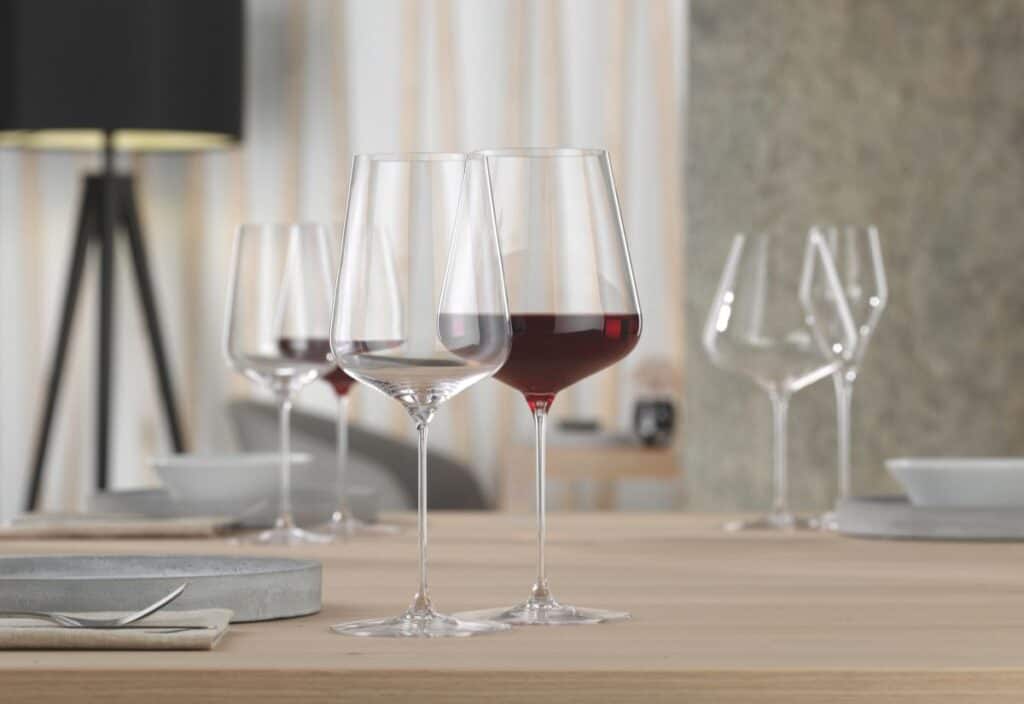
What varietal-specific really means
Varietal-specific stemware is designed to match a grape’s structure, influencing how it smells and tastes from the very first sip. A cabernet sauvignon glass is tall with a wide bowl, providing the wine with more room to breathe, softening the tannins and drawing out rich fruit and spice. Whites, such as chardonnay or riesling, often benefit from narrower rims that concentrate aromatics and highlight acidity. At the same time, sparkling wines excel in tulip shapes that preserve bubbles and lift delicate notes.
The concept is not new, but RIEDEL, an Austrian glassware company, was the first to demonstrate scientifically that the shape of glass alters perception. By collaborating with winemakers to evaluate the impact of different bowls on aroma, balance and mouthfeel, the company pioneered grape-specific stemware, establishing the standard for serving in luxury and professional wine circles around the world.
The science behind stemware
Glass shape does more than hold wine. It influences aroma, oxygen contact and flavor delivery. Wide bowls increase surface area and encourage oxygen to soften bold reds. Narrower rims direct aromatic compounds toward the nose, sharpening the perception of freshness in whites. Tulip designs preserve effervescence in sparkling wines while capturing floral and yeasty notes more effectively than a narrow flute. Research supports this, with studies showing that rim size, angle and bowl design influence how aromas are released and perceived.
As Maximilian Riedel, CEO and president of RIEDEL, explains, “RIEDEL was the first in history to recognize a glass’s shape has a profound impact on a wine’s aroma, taste and overall enjoyment, pioneering the world’s first grape varietal-specific glassware. The shape of the glass is crucial as it helps guide the wine to the ideal areas of the palate, revealing the complete range of flavors and delivering an exceptional tasting experience. Crafted with precision in our factory in Kufstein, Austria, each RIEDEL glass is thoughtfully designed to highlight the unique characteristics of wines from chardonnay to pinot noir.”
Choose the right glass at home
To taste wine at its best, start with a glass that suits the grape. The right shape guides aromas toward your nose and directs the wine to the part of your palate where it shows its strengths. Even with just a few well-chosen styles, you will notice a clear difference in how unique each one expresses itself.
Cabernet and merlot
Robust reds need space. A tall glass with a broad bowl allows cabernet and merlot to open up, softening tannins and showcasing blackberry, cassis and earthy spice. The RIEDEL Performance Cabernet/Merlot glass, part of the 2018 Performance line, was designed with exactly this structure in mind. Its tall, generous bowl and subtle optic effect increase the wine’s surface area, amplifying aroma and depth.
Chardonnay and riesling
White wines call for a different shape. A chardonnay glass is slightly narrower at the rim, balancing body and oak with a lift of freshness. Riesling shows best in an even slimmer bowl that channels citrus and floral notes to the nose. Both designs appear in the Performance series, created to highlight the crispness and minerality of aromatic whites.
Pinot noir
Pinot noir is delicate and nuanced. It comes alive in a wide, rounded bowl that allows its bright red fruit and floral aromatics to expand fully before you take a sip. The extra space gives this lighter red more texture and presence.
Sparkling wines
A tulip-shaped sparkling glass is designed to keep bubbles lively while concentrating aroma. Unlike the narrow flute that can mute flavor, the tulip shape maintains effervescence without losing profile and character. The RIEDEL’s Performance Champagne Glass even includes a tiny etched “sparkling point” at the base to encourage a steady stream of fine bubbles.
A curated collection
You do not need the entire catalog. A small set, perhaps one glass for bold reds, one for whites and one for sparkling, already covers most wines. The RIEDEL Performance series makes this easy with seven varietal-specific shapes that are machine-made from fine crystal, lightweight and dishwasher safe. RIEDEL finishes each glass with a delicate rim and optic design to enhance aroma and appearance.
Good to the last sip
The right glass does more than hold wine. It shapes how aromas rise, how flavors unfold and how you remember the experience. Varietal-specific stemware elevates a casual pour into something layered and memorable, and it is changing the way people drink wine. With innovators such as RIEDEL leading the way in designing glasses that highlight the character of each grape, the conversation is changing. It is no longer just about what wine you pour but also about the glass you pour it into.
Jennifer Allen is a retired professional chef and long-time writer. Her work appears in dozens of publications, including MSN, Yahoo, The Washington Post and The Seattle Times. These days, she’s busy in the kitchen developing recipes and traveling the world, and you can find all her best creations at Cook What You Love.