
The first day of summer has arrived, and so has the vacation buzz, just as heat alerts and travel surges sweep across the United States. June 21 marks the summer solstice, when the Northern Hemisphere gets its longest stretch of sunlight all year. For many, it’s not just an astronomical event, but the official start of warm-weather escapes.
With record-setting travel numbers expected, knowing how to plan around crowds, climate and timing has never mattered more. Here’s what to expect, what to pack and how to make summer travel feel effortless.
Preparing for a record summer
As summer travel reaches new heights, airlines are stepping up to meet the moment. The Federal Aviation Administration expects more than 50,000 daily flights this summer, cargo included, reflecting a 4% jump in scheduled operations from last year.
United Airlines anticipates a record-setting stretch, with around 50 million passengers flying between June and August, reinforcing just how strong this summer’s demand is across the board. The airline is scaling up operations, adding routes and optimizing connections to meet the surge in travelers.
And it’s not just United making big moves. American Airlines is aiming to make summer travel smoother and more enjoyable, with over 130,000 team members ready to support a safe and reliable season. From May 16 to September 2, the airline plans to operate over 715,000 flights, with its most ambitious summer schedule to date.
“America is once again ready for the summer travel season thanks to the more than 130,000 American team members who make our airline safely move every day,” said David Seymour, American’s Chief Operating Officer. “We’re set to operate the largest schedules ever at many of our hub airports and have been hard at work for months to ensure our people, aircraft, facilities and technology will deliver for our customers.”
Why the summer solstice still matters
The summer solstice on June 21 marks the longest stretch of daylight in the Northern Hemisphere, with cities like New York getting over 15 hours of sun. It’s a natural moment to step outside, even if it’s just into a backyard or neighborhood park. Today, that sense of pause continues, as wellness communities treat the day as a reset button, using it for intention-setting, reflection and quiet celebration.
That same energy translates into how people choose to travel. Solstice season encourages slow travel. People skip the overbooked resorts and instead look for national parks with scenic bike trails, lakeside and small towns that let them recharge on their terms. These destinations offer breathing room, where travelers can tune into the rhythm of nature and their own needs.
What to pack and why it matters
Packing well is half the equation when it comes to enjoying summer travel. The right gear can mean the difference between coasting through the day and scrambling to stay comfortable.
Dress for movement and heat
The right clothes make or break a summer trip. Lightweight, breathable fabrics like linen, rayon or performance blends keep the body cool in hot climates. Moisture-wicking layers prevent discomfort during long walks, museum stops or cafe lounging.
Packing a light jacket or shawl also helps with breezy nights or chilly airport terminals. The goal is feeling good in what you’re wearing, wherever the day goes.
Go light, stay flexible
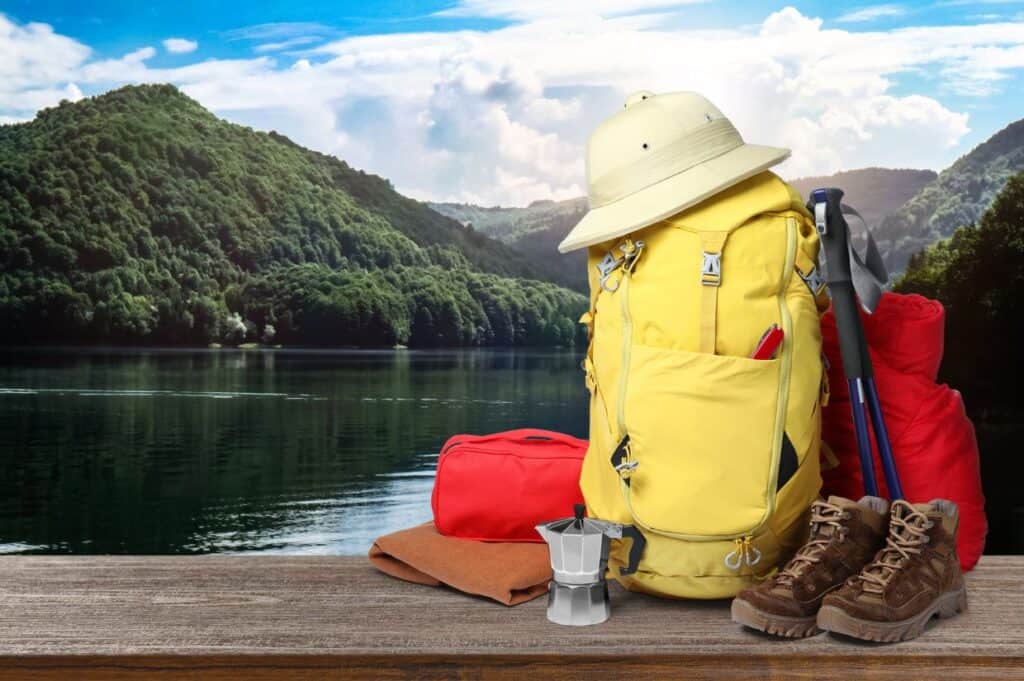
Dragging oversized luggage through train stations or beach towns gets old fast. Opting for a compact backpack or carry-on makes transitions smoother and stress-free. The trick is to pack smart through rolling clothes to save space, sticking to versatile basics and skipping the just-in-case extras. A few well-chosen pieces go further than an overstuffed suitcase.
Prioritize sun and skin protection
Summer sun hits harder than it feels, especially near water or higher altitudes. Wide-brimmed hats and UV-blocking sunglasses are essential defense. Sunscreen should be broad-spectrum, at least SPF 30 and reapplied every two hours, especially after swimming or sweating.
Reef-safe options are better for both skin and the environment, especially when traveling near oceans or lakes. A sunburn can derail a trip, so prep early and layer up.
Hydration on the go
Dehydration sneaks up quickly when traveling in the heat. A reusable water bottle with insulation keeps drinks cool for hours, while collapsible bottles save space on the go. Travelers heading to remote areas might consider bottles with built-in filters. Adding electrolytes, via tablets or powder, helps maintain balance during long hikes or beach days.
Smart tools for smoother travel
Reliable weather apps and route alerts prevent surprises, especially when heat waves or storm systems pop up with little notice. Tools like Weather Underground and AccuWeather offer hyperlocal updates and alerts tailored to a traveler’s current location or route.
Digital features such as Google Maps’ popular times help avoid crowded restaurants, attractions or even trailheads, saving time and frustration. By checking peak hours, people can build itineraries that prioritize calm mornings or late-afternoon visits.
Navigation apps like Waze also flag real-time construction delays or detours, helping travelers reroute without missing a beat. These small but powerful tools can make a big difference, especially when managing tight itineraries or trying to avoid peak travel stress. When used well, they keep the trip moving smoothly and the traveler focused on enjoying the journey.
Making summer travel count
Meaningful travel doesn’t always look like a picture-perfect postcard. Sometimes it’s about quiet moments, offbeat paths and letting the day unfold. This section is for travelers who want their summer to feel personal, not performative.
Shift away from the typical
Summer no longer requires packed airports or expensive resorts. Travelers now choose slower, closer-to-home options that offer rest without the rush. The goal is more room to feel present, not a packed schedule.
Find meaning in the unplanned
The most memorable experiences often come from road trips to quiet towns or spontaneous visits to local parks. These unplanned moments tend to feel more personal, whether it’s an unmarked trail, a pop-up art market or a lakeside meal that wasn’t on the itinerary.
Leave space for discovery
Planning just enough leaves room for flexibility. When every hour isn’t booked, the day opens up for surprise stops, longer conversations or simply doing nothing. That freedom often leads to better stories, deeper rest and a stronger connection to the place and the people.
The season is here, now what?
Across the country, the first day of summer is arriving alongside rising temperatures, packed highways and a travel economy hitting new highs. Travelers go for slower experiences, choosing places that offer restoration over pressure. With thoughtful planning and a flexible mindset, summer travel is evolving into a reset with a growing desire for travel that leaves people feeling lighter.
Zuzana Paar, creator of Amazing Travel Life, is a seasoned traveler and writer who has explored 62 countries and lived in St. Lucia, Dubai, Vienna, Doha and Slovakia. Her work has been featured in Fox News, NY Daily News, MSN and more; she has also appeared live on the Chicago WGN Bob Sirott Radio Show. When she’s not discovering new destinations, she shares travel tips and insider insights to help others experience the world in a unique and unforgettable way.