
The world’s oceans regulate climate, provide food and sustain life across the planet. They generate over half the oxygen we breathe and absorb nearly a quarter of global carbon dioxide emissions. World Oceans Day reminds us why the sea still needs saving, and why action matters.
This post may contain affiliate link(s). As an Amazon Associate, I earn from qualifying purchases. See Disclosures.
Global agreements and local efforts have made progress, but the sea still faces mounting threats. This year’s observance reminds us that preserving ocean health is not optional; it’s essential.
The ocean’s role in life on Earth
Oceans shape the planet’s climate, store carbon and generate most of the oxygen we breathe. They cover more than 70% of Earth’s surface and help regulate rainfall, temperature and weather patterns, absorbing over 90% of the excess heat caused by greenhouse gas emissions.
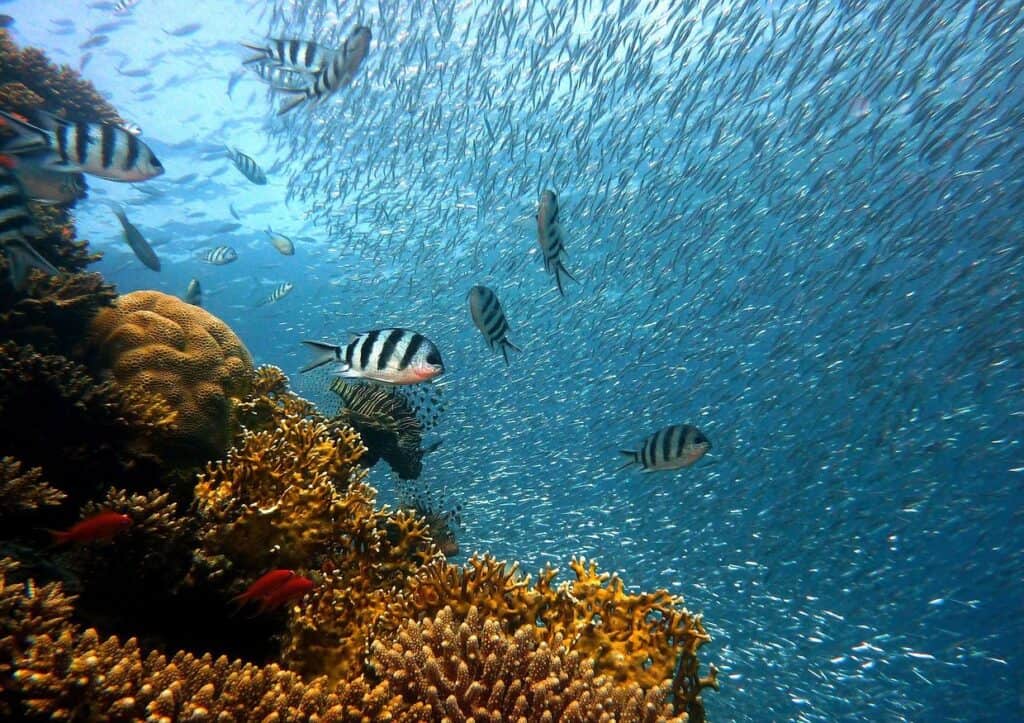
More than 3 billion people depend on marine ecosystems for food and income. Coral reefs cover less than 1% of the ocean floor but support 25% of all marine species. Despite their small footprint, these vital ecosystems face growing threats, including pollution, rising water temperatures and acidification, which continue to harm both the reefs and the biodiversity they sustain.
A theme grounded in urgency
This year’s World Oceans Day theme, Wonder: Sustaining What Sustains Us, highlights the balance between appreciating the ocean’s beauty and recognizing its fragility. Oceanic Global mentions that the theme encourages collective action through innovation, policy and everyday choices.
The United Nations coordinates the annual observance to encourage a stronger connection between people and the ocean. The message is clear: the ocean is not just a backdrop, it is essential for survival.
Pollution and plastic: A growing crisis
Research from the Commonwealth Scientific and Industrial Research Organization and the University of Toronto estimates 3-11 million metric tons of plastic waste settling on the ocean floor, showing that large amounts of plastic end up sinking and building up in deep-sea environments. Microplastics are found worldwide, from the ocean floor to Arctic ice and even in human blood, showing their growing impact. Marine life suffers as species ingest or become entangled in plastic, often leading to fatal consequences.
Pollution isn’t just about trash. Oil spills, toxic runoff and untreated sewage harm aquatic ecosystems and contaminate food sources. Even sunscreen chemicals contribute to coral bleaching.
Efforts like bans on single-use plastics and the development of biodegradable materials are steps forward. But large-scale waste reduction and better waste management systems are still critical to long-term change.
Overfishing and habitat loss
Overfishing continues to threaten ocean ecosystems and coastal communities. Unsustainable fishing practices disrupt food chains and reduce the ability of marine species to recover. This ongoing strain harms the economies of communities that depend on the sea for food and income.
Habitat destruction further intensifies these challenges. Bottom trawling damages seafloor ecosystems, while the loss of mangroves and seagrasses diminishes natural carbon storage and vital habitats for marine life. Oceans are bearing the brunt of climate change, making habitat protection more critical than ever.
Ocean warming and acidification
Oceans help slow climate change by absorbing heat, but the strain is increasing; oceans have taken in more than 90% of the excess heat from greenhouse gas emissions. This warming drives sea level rise, disrupts marine currents and weakens the structure of food webs.
Rising carbon dioxide in seawater creates chemical changes that weaken coral reefs and harm marine organisms like plankton and oysters. These species form the foundation of ocean food chains and support fisheries worldwide. When acidification intensifies, biodiversity declines and ecosystems lose their ability to recover.
The combined stress from warming and acidification pushes many marine species beyond their limits. Without intervention, these changes will continue to erode ocean stability and resilience.
Why individual action still matters
Personal choices shape the future of the ocean more than most people realize. Simple decisions like skipping single-use plastics or shopping with reusable bags help drive change across industries. These everyday habits support conservation and reduce pressure on marine ecosystems.
People are also taking action through community science. Apps and local groups let users log shoreline waste, track wildlife and contribute to water quality data. These contributions help scientists and policymakers make informed decisions.
Education remains a powerful tool. From classrooms to documentaries, younger generations are learning how their choices impact the ocean. That awareness lays the groundwork for long-term ocean care.
Bringing oceans into daily decisions
You don’t need to live near the coast to impact the ocean. Everyday decisions made far from shore, what we buy, how we clean, where we spend, can either harm or help marine ecosystems. Our daily lives are more connected to the sea than they seem.
Retailers reduce plastic packaging, cities update stormwater systems to prevent runoff and restaurants and grocers offer clearer sustainability labels. These shifts happen when enough people demand better choices.
Ocean health ties into food systems, jobs, climate and cultural identity. Protecting it isn’t just for coastal communities, it’s for everyone.
World Oceans Day 2025: Reflection and action
World Oceans Day isn’t just a date on the calendar but a mirror. It shows us where progress has been made and where action still lags. This year’s theme reminds us that admiring the ocean isn’t enough if we fail to protect what makes it thrive.
Preserving coral reefs, restoring habitats and supporting marine life takes more than awareness. It takes policy, science and public will. The sea still faces pressure, but change is possible and it starts with what we choose to do next.
Mandy writes about food, home and the kind of everyday life that feels anything but ordinary. She’s travelled extensively, and those experiences shaped everything, from comforting meals to little lifestyle upgrades that make a big difference. You’ll find all her favorite recipes over at Hungry Cooks Kitchen.