
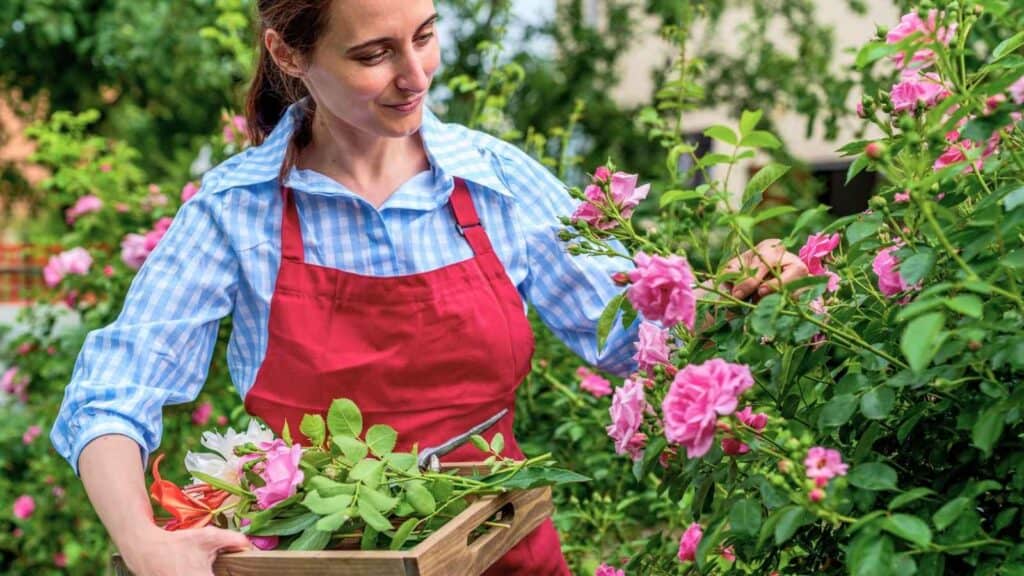
Many shoppers are ditching the usual supermarket bouquets and are heading straight to boutique flower farms instead. Local growers are building demand for freshly cut stems, short seasonal runs and arrangements that stand out from the standard retail bouquet wrapped in plastic and packed by the dozen.
This post may contain affiliate link(s). As an Amazon Associate, I earn from qualifying purchases. See Disclosures.
Flowers remain the most popular Mother’s Day gift category, with 75% of shoppers planning to buy them, giving independent growers a major spring sales window. Smaller farms are expanding through bouquet subscriptions, preorder pickups and farmers market sales, with regional groups such as the PA Flower Hub helping fresher seasonal blooms reach customers faster.
Local bouquets rival grocery flowers
Mother’s Day flower spending is projected to reach $3.2 billion this year, keeping grocery stores and warehouse retailers at the center of holiday floral sales. Large chains still dominate because shoppers can pick up arrangements alongside regular purchases during busy gifting periods.
Independent flower farms compete through freshness and limited-run varieties rather than scale. Flowers sold directly by growers often reach buyers shortly after cutting, extending vase life compared with arrangements that move through longer shipping and retail systems. Delicate stems such as tulips, orchids and lilies can lose quality faster after extended storage and transport before reaching store displays.
Selection further separates smaller farms from mass-market floral departments. Imported roses remain common in standard grocery bouquets throughout the year, while regional growers often focus on stems suited to local growing conditions and harvest windows. Many farms also cultivate less common varieties that rarely appear in large retail coolers.
Subscription bouquets fund growing seasons
Many people use Community Supported Agriculture-style memberships, in which customers pay before planting season begins in exchange for recurring bouquet pickups later in the year. Early payments help farms cover seeds, supplies and labor costs before peak production starts.
Sales through subscriptions, roadside stands and farmers markets can reduce dependence on wholesale pricing and large distribution channels. Some farms expand pickup access through partnerships with cafes, bakeries and independent shops that distribute weekly arrangements.
Advance reservations also give growers a clearer picture of demand during short harvest windows. Knowing how many bouquets are already claimed helps farms plan planting volume more accurately and limit unsold inventory during peak bloom periods.
Seasonal flowers replace standard bouquets
Independent growers increasingly arrange bouquets around flowers currently at peak bloom rather than offering the same combinations year-round. As spring turns into summer, arrangements shift in color, texture and stem variety based on what fields are actively producing at the time.
Farm stands and outdoor flower markets now feature looser bouquet styles with mixed tones and uneven stem heights rather than tightly matched arrangements. Dahlias, snapdragons, cosmos and zinnias rotate throughout the warmer months, creating bouquets that may look different from one weekend to the next.
Buyers connect directly with growers
Many customers purchase bouquets through direct interaction with flower farms, such as bouquet pickups, flower workshops and u-pick events, which bring visitors to farms and turn floral purchases into part of a larger outing. Social media updates and email newsletters also give customers regular updates on bloom schedules, preorder openings and weekly inventory.
Smaller farms often distinguish themselves through details that larger delivery systems struggle to match. Handwritten notes, custom bouquet requests and face-to-face sales create a more personal experience for buyers. Seasonal festivals and flower-focused events also generate additional revenue while introducing more visitors to individual farms.
Ways to find local growers
Farmers markets remain one of the easiest places for shoppers to locate nearby flower farms during spring and summer. State agriculture departments and cooperative extension offices also maintain grower listings across different parts of the country.
Online databases have expanded access beyond local word of mouth. The Slow Flowers Society maintains a searchable directory focused on domestic flowers and independent farms, while many growers post preorder schedules and pickup details through social media accounts and mailing lists.
Weather conditions can quickly affect flower supply in the weeks leading up to Mother’s Day, particularly during colder springs or periods of heavy rain. Availability often varies by region, meaning bouquets sold in northern states may look different from arrangements offered farther south during the same week.
Boutique flower farms change bouquet expectations
Flower arrangements from boutique flower farms feel more specific to the season and the region where they are grown. As shoppers encounter flowers that follow local harvest timing instead of standardized inventory, bouquets begin to vary more noticeably from one market to another. That shift may encourage more growers to focus on seasonal production cycles rather than maintaining the same selection throughout the year.
Mandy writes about food, home and the kind of everyday life that feels anything but ordinary. She has traveled extensively, and those experiences have shaped everything, from comforting meals to small lifestyle upgrades that make a big difference. You’ll find all her favorite recipes over at Hungry Cooks Kitchen.