
The way people eat on international trips has changed in ways that don’t show up in reservation apps or Yelp feeds. More travelers are bypassing the restaurant row for the market hall, the lunch counter with no English menu and the bakery that opens at 6 a.m. The data support what seasoned food travelers have long known: eating outside the formal dining circuit produces better meals, a stronger cultural connection and a lower per-meal cost.
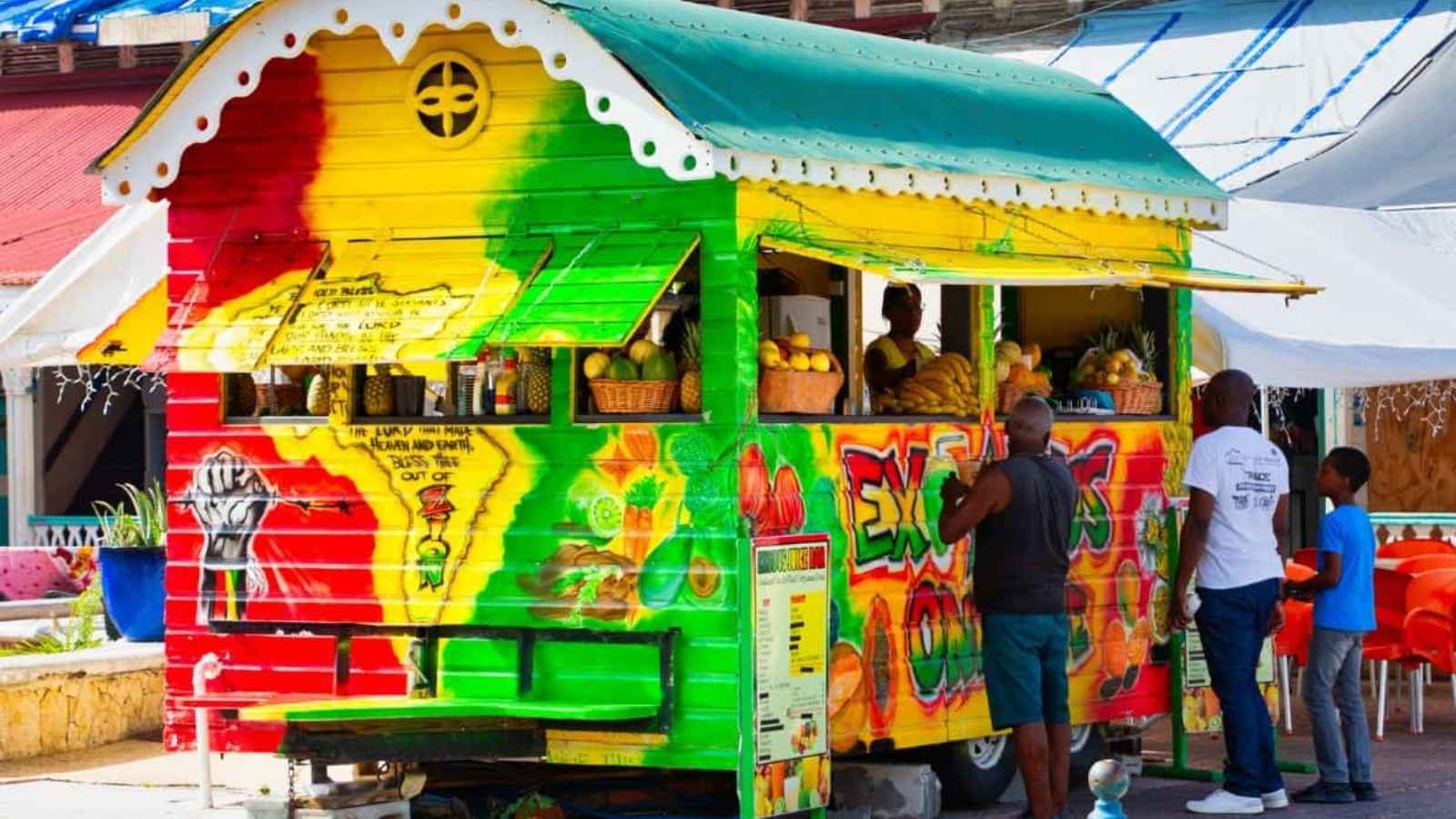
This is not a budget traveler story, but about where the food actually is. A recent survey found that 77% of travelers enjoy exploring local grocery stores to try authentic food and drink offerings, an indication that food experiences beyond sit-down restaurants are becoming more popular. Restaurant costs in major tourist destinations have climbed sharply, crowding at tourist-facing establishments has worsened and travelers are arriving with more information than ever about where people who actually live in a place go to eat.
Markets beat menus every time
A good market does something no restaurant can: it puts the traveler in direct contact with ingredients at their peak, often sold by the people who grew or produced them. A fishmonger in Marseille, France, or a produce vendor in Oaxaca, Mexico, is not a tourist attraction. They are the actual food supply chain, open to anyone who shows up.
Not every market earns the stop, and the simplest way to tell is volume. A market worth eating at is one where locals are shopping at 1 p.m. on a Tuesday, not one staged for weekend foot traffic or tourists. High turnover means fresher product. Vendors with near-empty displays by early afternoon started the morning with the good stuff. That kind of access has no restaurant equivalent.
How to read an unfamiliar menu
Most travelers who retreat to tourist restaurants do so for one reason: the menu makes no sense. Faced with an unfamiliar cuisine and no English translation, people default to the familiar, which usually means a restaurant that has already optimized for that instinct and priced accordingly.
A few simple reads of the menu itself can short-circuit that reflex entirely. The shortest menu in a local restaurant is almost always the most honest one. Dishes with the fewest listed ingredients tend to be the ones the kitchen has made 10,000 times. Anything written on a chalkboard or posted on the wall is usually a daily special, often built around ingredients that arrived that morning. On a menu where one dish costs noticeably more than everything else, that premium usually points to skill and sourcing. It is worth ordering.
Street food safety, simply stated
Street food hesitation is common and, for most travelers, misplaced. Three markers reliably indicate a stall worth eating at: food cooked to order over visible heat, high enough customer volume that nothing has time to sit and a line that skews local. These are not guarantees, but they are the same criteria a careful local eater applies. Travelers who learn to read those markers rarely need a reservation.
Where to spend, where to save
The approach experienced food travelers use is consistent. Breakfast and lunch come from markets, bakeries, street stalls and local lunch counters. One dinner, chosen carefully, goes to a local restaurant. That dinner is identifiable by specific signs: no photos on the menu, no translation volunteered, a prix fixe at lunch that the dinner menu does not replicate.
That lunch prix fixe is one of the most consistent value structures in food travel. The same kitchen, the same chef and largely the same food often cost less at midday than in the evening, particularly at restaurants where dinner prices are geared toward tourists. Travelers who eat lunch at the restaurant and pick up bread and cheese for dinner are not compromising. They are eating at the pace of the place.
The tourist restaurant circuit is its own economy
Tourist-facing restaurants in popular destinations have become a parallel food system, separate from where locals eat, priced for visitors and built around recognizability. The menus represent the destination’s cuisine. The experience is calibrated for people who will not be back.
Travelers who learn to work outside that system eat better food at lower cost and eat alongside the people in the city they are visiting. That access to ordinary local life is what most people are traveling for in the first place.
Mandy is a luxury travel, fine dining and bucket-list-adventure journalist with expert insight from 46 countries. She uncovers unforgettable experiences around the world and brings them to life through immersive storytelling that blends indulgence, culture and discovery, and shares them with a global audience as co-founder of Food Drink Life. Her articles appear on MSN and through the Associated Press wire in major U.S. outlets, including NBC, the Daily News, Boston Herald, the Chicago Sun-Times and many more.