
Before a dish leaves the pass at a serious restaurant kitchen, the chef reaches for a small bottle. Not finishing salt. Not truffle oil. Garum: a fermented fish sauce, the Roman Empire put on nearly everything it ate. It disappeared for about 1,500 years. Now it’s back, and the chefs using it aren’t treating it as a history lesson. They’re treating it as a weapon.
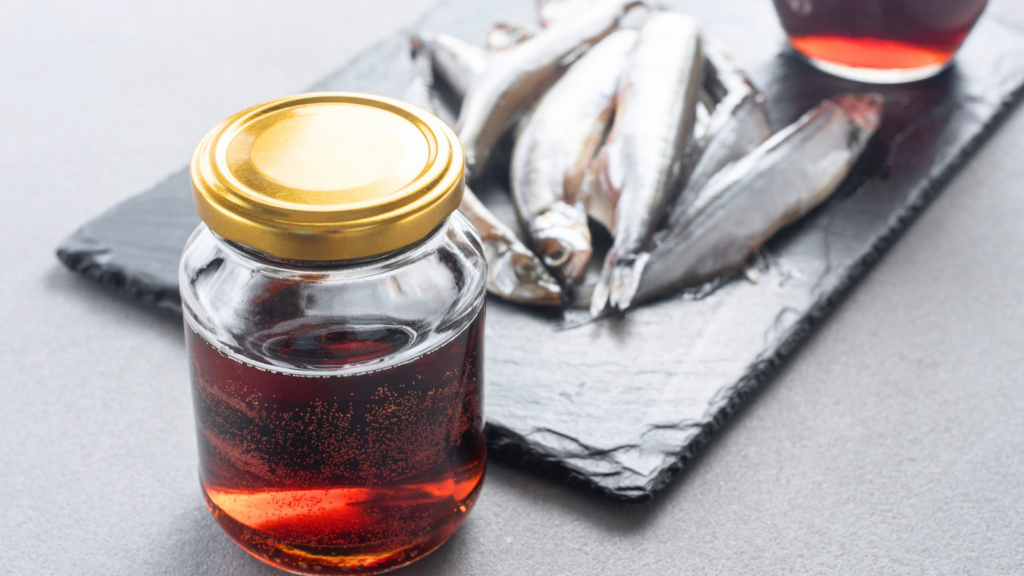
Fine dining kitchens have spent the last several years building fermentation programs from the ground up. Not dabbling. Committing. The James Beard Foundation named intentional fermentation one of the defining forces reshaping restaurant menus in 2026. Chefs describe ferments as tools for building flavor complexity, cutting waste and locking in seasonal ingredients at peak ripeness. Garum fits all three. It’s made from fermented fish, salt and time, and it produces a concentrated umami punch that no single other ingredient quite matches.
The numbers back it up
The global fermented foods and beverages market is forecast to reach $318.20 billion this year, growing at 6.43% annually. A Michelin menu survey this year flagged preserved and fermented flavors as one of the forces most visibly reshaping restaurant cooking across multiple continents. Fine dining is both catching and accelerating that appetite.
What garum actually is
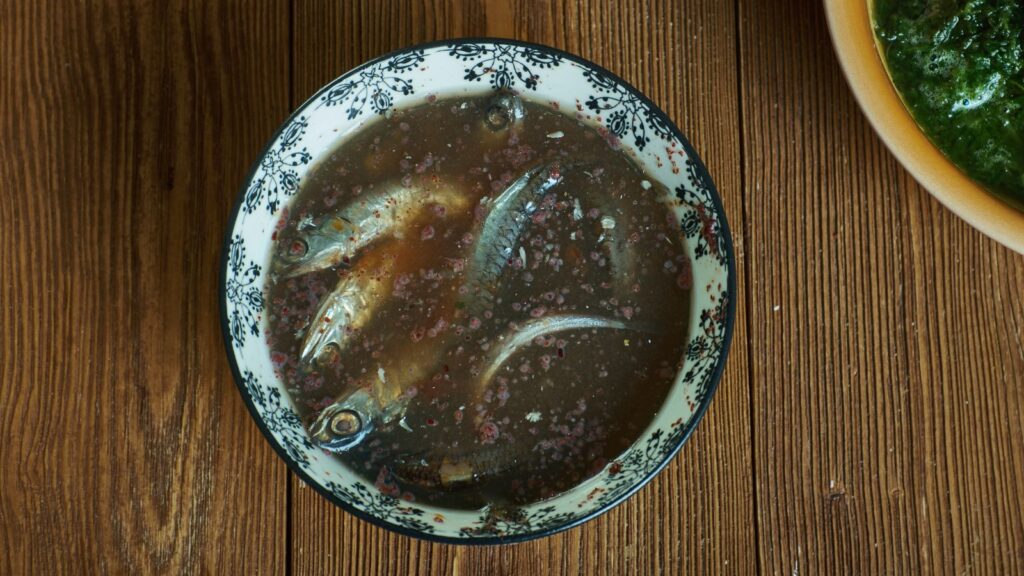
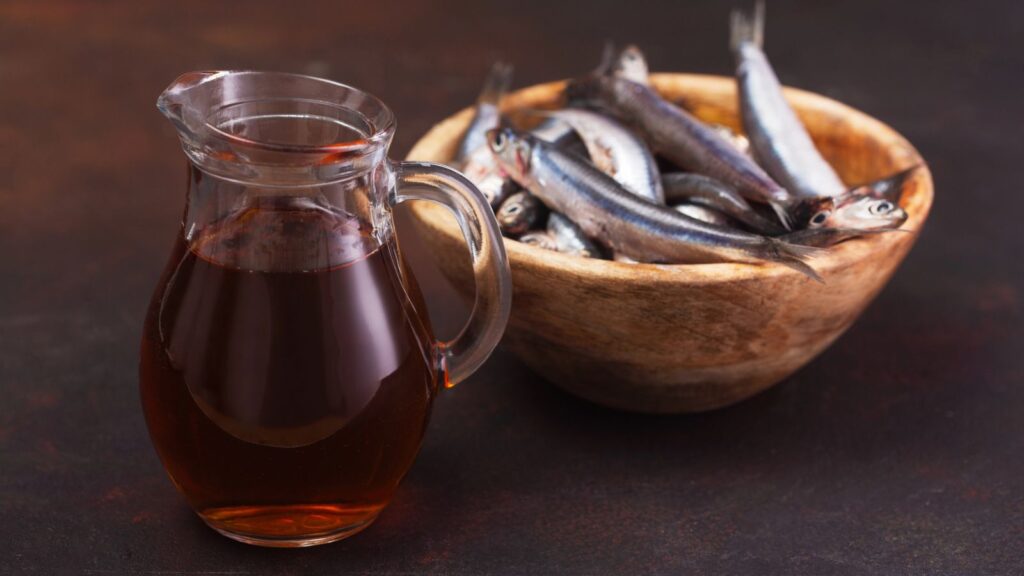
Garum was Rome’s universal condiment. Anchovies, mackerel or sardines packed in heavy salt, left to ferment for weeks or months, producing a liquid dense with glutamic acid. That’s the same amino acid behind the savory depth in aged Parmesan, long-cooked soy sauce and roasted mushrooms. It was Rome’s umami. When the empire fell and the trade routes collapsed, garum went with it. Not because it stopped working. Because the world built around it did.
How it found its way back
The revival traces to the fermentation lab at Noma in Copenhagen. Chefs there popularized koji-triggered garums: versions made from beef, venison and mushrooms, not just fish. A generation of cooks trained on those techniques and carried them into their own kitchens. What they found is that garum doesn’t read as fish on the plate. A few drops in a braising liquid make a dish taste like it was cooked for days longer than it was.
You’ve probably already tasted it
Chefs at 50 Best Restaurants-level kitchens across Asia, Europe and North America are building fermentation programs that include garum alongside miso, koji and lacto-fermented preparations. If you’ve eaten at a restaurant chasing its first Michelin star lately, there’s a reasonable chance garum touched your plate. You just didn’t know what to call it.
Mandy Applegate is the creator behind Splash of Taste and seven other high-profile food and travel blogs. She’s also the co-founder of Food Drink Life Inc., a unique and highly rewarding collaborative blogger project. Her articles appear frequently on major online news sites, and she always has her eyes open to spot the next big trend.