
Known for its distinct seafood, heirloom grains and local vegetables, Lowcountry cooking showcases the deep cultural legacy of the Gullah Geechee people and South Carolina’s coastal landscape. Every classic dish brings the story of Charleston to life, rooted in tradition and memory. As interest in regional food grows, the city’s cuisine plays a bigger role in defining what American cooking looks like.
This post may contain affiliate link(s). As an Amazon Associate, I earn from qualifying purchases. See Disclosures.
Lowcountry cuisine preserves Charleston’s culinary past and powers its food economy. Restaurants, farmers and specialty makers depend on these historic dishes to shape menus and serve a steady demand for regional flavor.
Start with shrimp and grits
Shrimp and grits are one of the most recognizable staples of Lowcountry cuisine, rooted in the foodways of the Gullah Geechee people, descendants of enslaved Africans in the coastal Carolinas. Made with corn-based porridge and creek-caught shrimp, the dish began as a simple breakfast for families with limited means.
Charleston’s take stands out for its use of wild local shrimp and true stone-ground grits, often simmered and finished with gravy or bacon fat. Today, it appears on menus nationwide. But the dish’s heart remains tied to coastal traditions, where heirloom corn and local waters continue to shape its flavor and significance.
Classic tomato pie
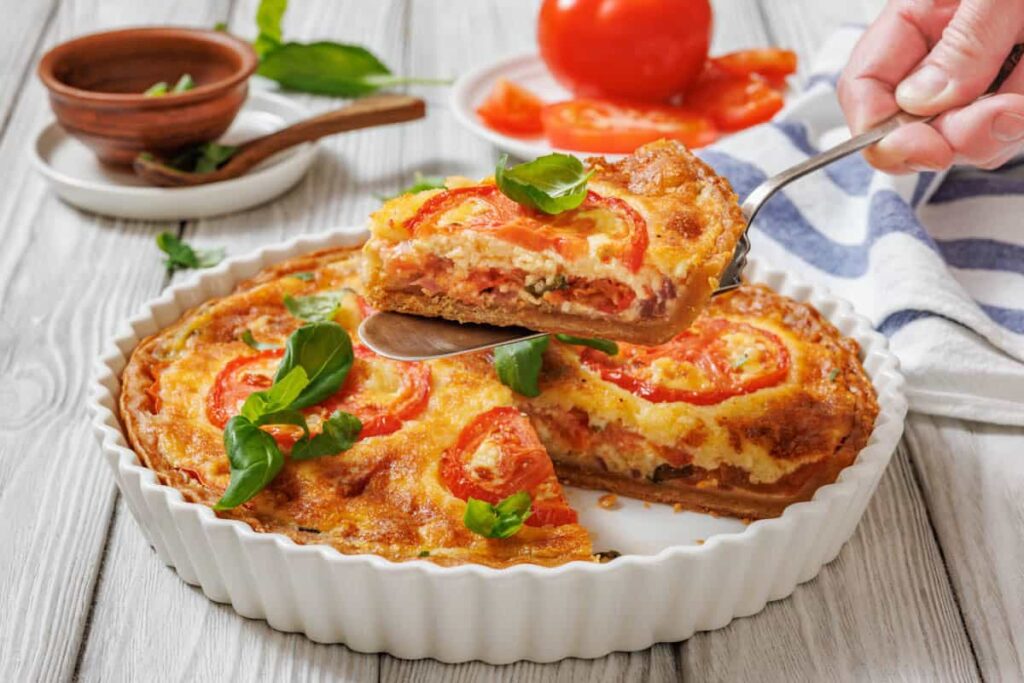
Tomato pie might sound simple, but in Charleston, it’s a summer classic and a fixture of Lowcountry home cooking. The dish reflects the region’s deep connection to seasonal produce, particularly the sun-ripened tomatoes that thrive in the coastal climate. Its layers of tomatoes, fresh basil and a tangy cheese spread in a flaky crust showcase local ingredients and Southern creativity.
The dessert’s popularity grew through church cookbooks and community gatherings. Its status as a Lowcountry staple shows how the region celebrates peak-season vegetables and honors the traditions of rural Southern kitchens.
She-crab soup
She-crab soup stands out as one of Charleston’s signature dishes and sets the standard for Lowcountry coastal cooking. Created in the early 1900s, it evolved from crab and rice stews into a refined bisque featuring blue crab meat and crab roe, finished with sherry for depth. The “she” refers to the roe, which adds richness and visual appeal.
The hearty dish symbolizes the city’s hospitality and fine dining scene, appearing on menus at institutions like 82 Queen. Its ingredients mirror the region’s proximity to tidal creeks and estuaries, reinforcing its identity as a seafood classic rooted in Charleston’s waters and culinary history.
Pickled okra
Pickled okra earns its place as a generational Lowcountry staple thanks to its resilience, punchy flavor and long shelf life. Historically, pickling let residents preserve okra long past its growing season, an essential practice in Gullah and rural Southern communities. The vegetable grows well in Charleston’s humid, coastal climate and has long been favored in both its fresh and preserved forms.
Pickled okra delivers a vinegary bite that complements seafood platters and stews in the region. Its continued presence in home kitchens and markets reflects its lasting role in the area’s culinary identity.
Crab rice bowl
Charleston’s crab rice, also known as crab perloo, is a classic Lowcountry dish with deep cultural roots. It brings long-grain rice and blue crab meat in a single pot with vegetables and local seasonings. Its origins trace back to one-pot meals brought by enslaved West Africans who adapted their cooking to ingredients found along the South Carolina coast.
Carolina Gold rice, once a driving force of the colonial rice economy, adds historical weight and a distinct texture to the dish. The recipe reflects both practicality and resourcefulness, qualities long associated with coastal communities.
Benne seed cookies
Crisp, nutty and slightly sweet, Charleston’s benne seed cookies are one of the region’s oldest confections. Sometimes called benne wafers, they came from West African traditions as enslaved people cultivated sesame or benne in their garden plots. Believed to bring good luck to those who shared them, the seeds carried both flavor and symbolism.
In Charleston kitchens, benne seeds evolved into thin cookies that became popular at markets and gatherings. Their long-standing presence reflects how African ingredients shaped Lowcountry desserts in a coastal city built on resilience and flavor.
Source ingredients the Charleston way
The foundation of authentic Lowcountry cooking lies in ingredients that define the region’s flavor and history. Stone-ground grits, sourced from heritage mills like Anson Mills and Marsh Hen Mill, form the base of dishes such as shrimp and grits. Carolina Gold rice, once nearly lost and now revived by farmers and historians, brings a distinctive texture and taste to crab rice.
Local vegetables, including collards, sweet corn and butterbeans, reflect Charleston’s growing seasons. These elements connect every dish to the coastal traditions that shaped Charleston’s identity for centuries.
The taste of Charleston tradition
Shrimp pulled from tidal creeks, rice cultivated in marshy soil and benne seeds carried across the Atlantic all find a place on the Charleston table. These dishes are more than local favorites; they are cultural touchstones shaped by geography, memory and survival. Making them at home keeps those stories alive, grounded in tradition that’s carried forward by every cook who stirs a pot or rolls out dough. The ingredients may be simple, but their history runs deep, connecting Charleston’s past to the present with every bite.
Jennifer Allen is a retired professional chef and long-time writer. Her work appears in dozens of publications, including MSN, Yahoo, The Washington Post and The Seattle Times. These days, she’s busy in the kitchen developing recipes and traveling the world, and you can find all her best creations at Cook What You Love.