
Corn on the cob has always been a summer cookout staple, but the version showing up now looks nothing like the butter-and-salt default. Home cooks are grilling with more care, building compound butters ahead of time and treating corn as a canvas rather than a side dish. The cob is still the cob, but what happens to it next is a completely different story.
This post may contain affiliate link(s). As an Amazon Associate, I earn from qualifying purchases. See Disclosures.
Social media plays a major role in how people decide what to cook, with 52% of American adults turning to it for recipe inspiration. New ideas move quickly from screens to grills, bringing globally inspired preparations into backyard cookouts within a matter of seasons. Elote, grilled corn finished with crema, cotija, chile and lime, is one example, and corn on the cob is where that creativity is headed this summer.
Get the grill technique right first
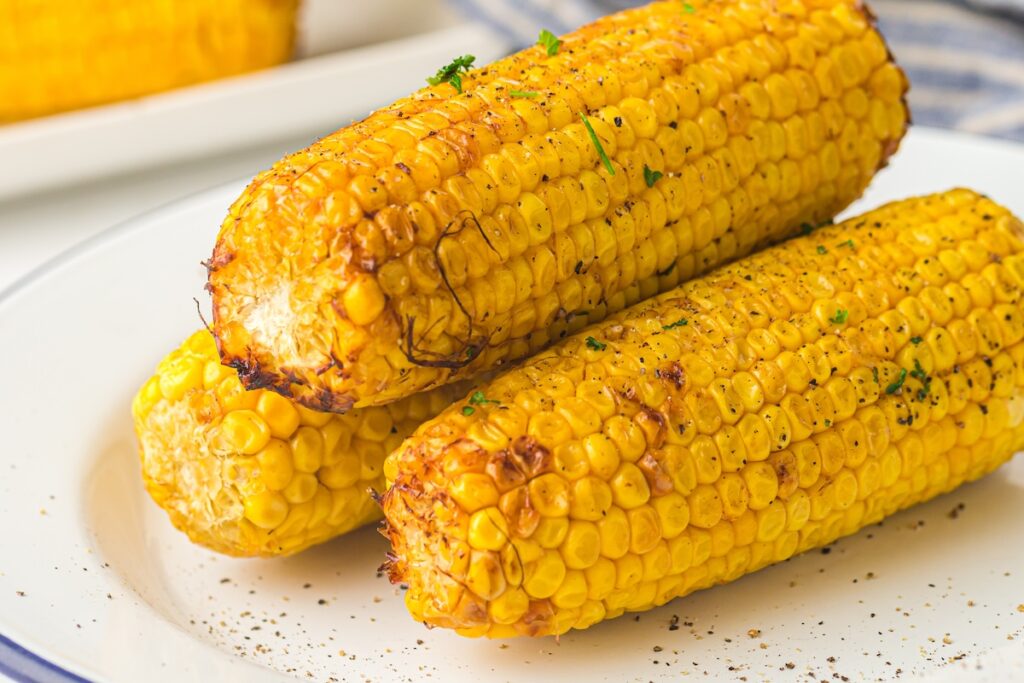
Husk-on grilling steams the corn inside its own wrapper, producing kernels that are tender and sweet without char, while husk-off grilling puts the corn in direct contact with the flame, caramelizing the sugars and building the smoky depth that distinguishes grilled corn from boiled.
Many serious backyard cooks settle on a hybrid approach by pulling the husk back, stripping the silk and then rewrapping the corn before grilling. The method delivers steam and char at the same time, and that combination is often harder to get wrong than either approach on its own.
Smoke it low and slow
Smoked corn has become a favorite among backyard cooks willing to trade speed for flavor. Running corn through a pellet grill or smoker at low heat for the better part of an hour preserves the kernel’s natural sweetness while adding a woodsy, aromatic depth that comes only from sustained smoke exposure. The slower cook also keeps the kernels tender and juicy in a way faster methods do not always allow. It takes longer, but the opportunity to focus on the rest of the meal while the corn cooks is much of the appeal.
Cook it on the Blackstone
Blackstone-griddled corn produces a different result than most backyard setups, and for corn that difference is worth understanding. Even heat distribution across the entire cooking surface means every part of the cob makes consistent contact, producing a steady, caramelized exterior rather than the spotty char of an open flame.
The griddle also frees up room. Multiple ears can cook at once alongside whatever else is on the surface, making it one of the most practical methods for feeding a crowd. For anyone already cooking proteins and sides on a Blackstone, corn becomes the easiest addition to the rotation.
Try corn ribs
Quartering a cob vertically and cooking the strips in an air fryer turns corn on the cob into an appetizer-style format. The pieces curl inward as they cook, creating more surface area for seasoning and a texture that lands somewhere between roasted and charred.
Corn ribs are easier to hold, easier to coat with butter or sauce and look far enough removed from traditional corn on the cob to catch attention. That’s why they keep circulating on social media years after first going viral. The format is what makes people stop scrolling.
Go elote-style
Elote starts with grilled corn dressed with a swipe of mayo or crema, crumbled cotija, chile powder, a squeeze of lime and fresh cilantro. The preparation has been a street food staple in Mexico for generations and has spent the last several years moving from taqueria menus into American backyards, carried there by the same social media currents that surface most new food ideas.
The chili-lime variation skips the crema and leans into dry spice and acid, making it the most accessible entry point and a natural fit for corn straight off the grill. Both preparations rely on contrast: fat against acid, sweet against heat and cool dairy against char. Once you understand that logic, the specific toppings become less important than the balance.
Make miso butter your default
White miso folded into softened butter with a touch of honey and soy creates one of the most versatile corn toppings circulating this summer. It adds a savory depth that amplifies the corn’s natural sweetness without masking it, so every kernel tastes more like itself. The umami does what plain salted butter never quite manages.
The butter works on grilled corn, corn ribs and oven-roasted cobs alike. Making extra is rarely a mistake. It keeps in the refrigerator for a week and improves everything it touches.
Build a compound butter worth talking about
Compound butter gives corn an easy upgrade, and two versions stand out this summer. Cowboy candy butter folds candied jalapeños into softened butter, pairing heat and sweetness in a way that plays off the corn’s natural sugar better than plain chili butter. Pepperoncini butter uses sliced pickled peppers and a splash of their brine to add a tangy, vinegary finish that cuts through the fat and holds up especially well against charred corn. Both take only minutes to prepare and stay usable in the refrigerator for a week, ready whenever the corn comes off the grill.
Home cooks upgrade their produce
The corn upgrade is part of a broader pattern: home cooks are bringing the same ingredient curiosity to produce that they once reserved for proteins. Peak-season vegetables are getting technique, layering and intention, and corn shows why that works. It costs almost nothing, it’s available everywhere in summer and its flavor ceiling is high enough to reward real effort. That makes it a natural proving ground for a style of cooking people are picking up from restaurant menus, cookbooks and social feeds and then making their own.
The most familiar things on the summer table often have the most room to move. Corn has always been there. What’s different is the ambition people are bringing to it.
Jennifer Allen is a retired professional chef and long-time writer. Her work appears in dozens of publications, including MSN, Yahoo, The Washington Post and The Seattle Times. These days, she’s busy in the kitchen developing recipes and traveling the world, and you can find all her best creations at Cook What You Love.