
Destination dining is turning single restaurant reservations into the reason for travel. Instead of building itineraries around sights or cities, travelers choose where to go based on where they can get a table, then plan entire trips around that one meal.
This post may contain affiliate links that may earn us a commission. For more information, see our Disclosures.
Nearly 80% of travelers consider food important when choosing a destination, placing it alongside factors such as price, location and reviews. That priority shows up in shorter trips tied to flexible schedules, with hotels featuring nearby restaurants and offering packages built around dining experiences.
Restaurants drive destination choice for travelers
About 66% of travelers say street food is what they are most excited to try when visiting a destination, while 64% prefer local dining experiences over fine dining or Michelin-starred venues. These preferences carry into trip planning, where specific food experiences often set the direction, especially when sought-after restaurants release tables in limited batches.
Popular spots release tables in advance, so visitors plan around those openings to secure a seat. Once confirmed, that reservation becomes the center of the trip, with other stops arranged around it.
Michelin-listed and award-winning restaurants continue to attract travelers who build short getaways around a single meal. At the same time, social media posts and shared photos raise awareness for specific places, helping keep demand steady.
Tasting menus turn meals into experiences
Multicourse tasting menus give travelers a set dining experience that can justify a trip on its own. Each course follows a planned sequence, turning the meal into a scheduled event rather than a quick stop.
Menus also change with the seasons, which encourages repeat visits throughout the year. Many chefs build offerings around local ingredients, giving each visit a different focus depending on timing.
Limited seating adds to the appeal, as a small number of tables keeps the experience controlled and draws guests who plan specifically for that reservation. Beverage pairings can extend the evening and influence travel plans, as guests who opt for wine or curated drink menus are more likely to stay overnight instead of returning the same day.
Local food scenes encourage longer stays
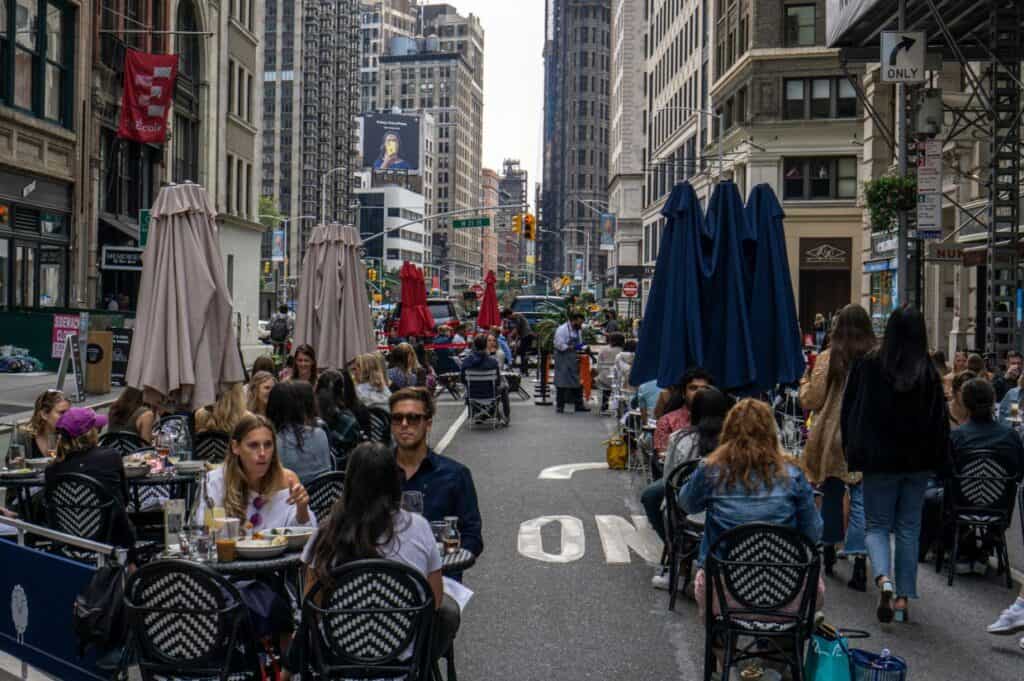
Dining trips rarely center on a single reservation, with travelers looking for nearby spots to round out a visit. Cafes, bakeries and public markets add options before or after the main meal, encouraging more time spent in the area. Neighborhoods with a strong dining presence support this pattern, with people walking nearby streets and stopping at different places between meals.
Regional dishes add another reason to travel, as visitors seek out local specialties that are not widely available elsewhere. Tourism groups support this interest by promoting food trails and clusters of dining spots that are easy to navigate.
Events and seasonal offerings bring in visitors outside peak travel periods. Limited-time menus and local food festivals encourage return trips at different times of year, while recommendations from chefs and restaurant staff guide where to go next.
Properties support food-focused travel
Many boutique properties work with nearby restaurants or guest chefs to offer curated access, such as set menus or priority reservations. On-site dining has also improved as hotels invest in stronger kitchen programs to give guests reliable options before or after a planned meal elsewhere. This reduces the need to travel far for every dining experience.
Concierge teams play a key role in securing reservations and coordinating timing. Their ability to assist with bookings can influence where travelers choose to stay, especially in high-demand areas. Location remains a deciding factor, with properties emphasizing proximity to well-known restaurants and offering packages built around food experiences.
Travel patterns favor shorter dining trips
Dining-focused travel often fits into shorter trips, especially when reservations fall within a narrow window. A two- or three-day stay gives enough time to arrive, dine and visit nearby spots without extending the trip unnecessarily.
Work flexibility supports this pattern, making it easier for travelers to take a short break without committing to a longer absence and to plan around a fixed dining time. Many people choose midweek departures or extended weekends to match reservation availability. Some airlines and hotels have adjusted to this behavior, offering flexible booking options that allow travelers to confirm plans closer to the date.
Local food scenes attract new visitors
Travel centered on dining is directing spending into neighborhoods and towns that often receive less visitor traffic. This brings new attention to small businesses, local producers and independent operators, giving them a stronger role in the local economy. As interest continues to build, more areas are likely to position their food scene as a primary draw for tourism.
Jennifer Allen is a retired chef turned traveler, cookbook author and nationally syndicated journalist; she’s also a co-founder of Food Drink Life, where she shares expert travel tips, cruise insights and luxury destination guides. A recognized cruise expert with a deep passion for high-end experiences and off-the-beaten-path destinations, Jennifer explores the world with curiosity, depth and a storyteller’s perspective. Her articles are regularly featured on the Associated Press Wire, The Washington Post, Seattle Times, MSN and more.