
Fall is made for dividing perennials, and this knowledge provides a key tool for gardeners to control growth, revive crowded beds and prepare for stronger returns in spring. When done with intention, it becomes a way to reset plant structure and improve their overall performance. Each cut and replant offers a chance to correct decline, expand coverage and set up next year’s garden for better results.
This post may contain affiliate link(s). As an Amazon Associate, I earn from qualifying purchases. See Disclosures.
Strong results depend not just on division but on the care that follows. Gardeners should keep roots shaded, space properly and delay applying fertilizer to help perennial plants recover fully and take hold without added stress.
Why perennials need dividing
Perennials such as daylilies, hostas and irises often sprawl outward, forming dense clusters that gradually crowd the garden bed. As the plants grow larger, their roots compete for limited resources, and the soil can’t keep up. This imbalance often results in fewer flowers, weakened stems and thinning in the middle of the clump.
To restore vitality, division becomes essential. This process separates congested roots, opens space for air and moisture and encourages stronger regrowth. It is also an efficient way to propagate the most robust performers in the garden. Divided sections carry the same genetic material as the parent plant and, with some care, will grow quickly and bloom in the next cycle.
When to divide your perennials
Fall provides the right conditions for dividing perennials, especially those that flower in early to mid-spring. These plants benefit most from division once their active growing period ends, ideally about four to six weeks before the first frost. That timing allows their roots to settle in the ground before the cold sets in, helping them start stronger when growth resumes.
Moist soil during fall also makes the process easier. It allows for gentler digging and reduces stress on roots. Cloudy, cool days are ideal because they reduce drying during transplant. Gardeners should avoid disturbing plants that are in bloom or newly established, since both require more time to stabilize. When gardeners divide plants with care and timing in mind, they set perennials up for healthier growth in the next season without disrupting their natural rhythm.
Which plants benefit most
Some perennials benefit more than others from regular division, especially varieties that spread quickly or form dense clumps. Plants like daylilies, hostas, coneflowers and Rudbeckia often reach a point where overcrowding stunts growth and weakens the display. Coreopsis follows a similar pattern, eventually competing for space if left untouched.
Timing depends on the bloom cycle. Spring-flowering varieties typically tolerate fall division better, while fall bloomers prefer spring division. Signs that a plant is ready include thinning at the center, reduced flowering, yellowing foliage and visible root congestion.
Before dividing, inspect the crown for gaps or hollow areas that suggest the plant is no longer thriving as a single clump. Gardeners should avoid dividing newly planted perennials, since their root systems need more time to develop before being disturbed.
How to divide perennials
Dividing perennials takes a bit of planning, and conditions on the day matter just as much as the method. Aim for a cool, cloudy day when the soil is moist and temperatures are stable. Avoid working in dry spells or heat waves as these can stress plants and damage roots.
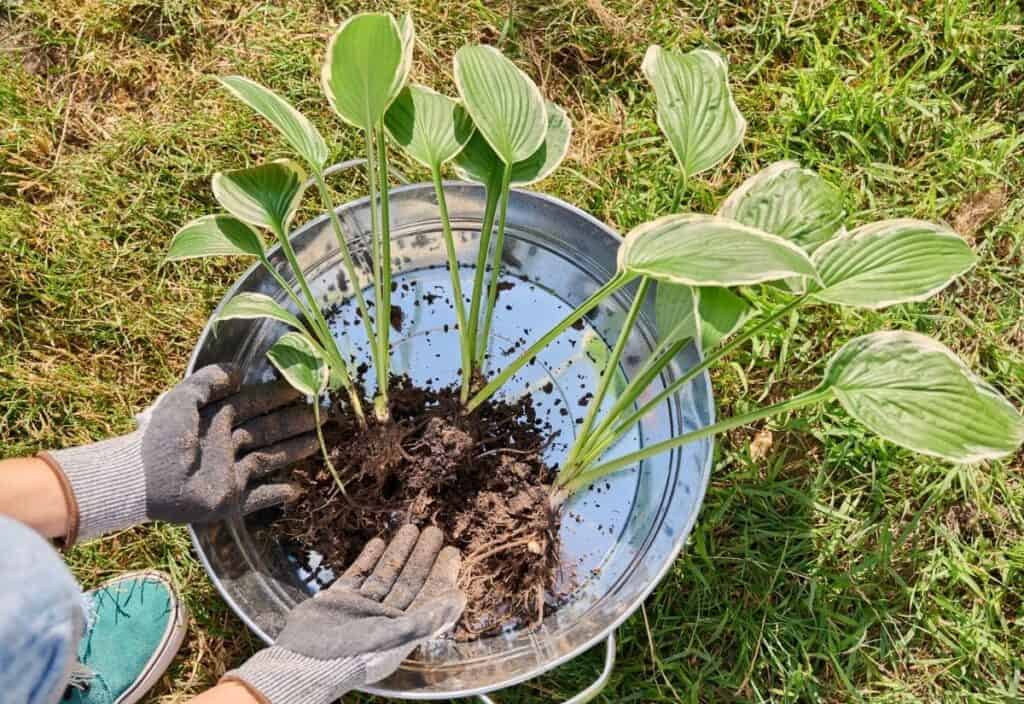
Start by watering the plant thoroughly the day before to ensure the root system is well hydrated. When ready, dig around the base with a sharp spade or garden fork, keeping the root ball as intact as possible. Gently lift the clump from the soil and remove any excess dirt to expose the roots. Use your hands or a clean knife to separate the plant into sections, ensuring each has several healthy shoots and strong roots.
Replant the divided sections at the same depth they were growing before, spacing them far enough apart to allow for new growth. Press soil firmly around the roots and water well to help the plants settle. Finish with a thin layer of mulch to retain moisture and prevent weed growth. With the right timing and care, the divisions will establish quickly and grow stronger in the next season.
Help new plantings thrive
A few extra steps can help perennials establish more successfully. If you relocate them, labeling each variety before planting prevents mix-ups later, especially when dealing with foliage. Avoid fertilizing for now and allow the plants to build stronger root systems during the colder months.
If replanting isn’t immediate, keep the divisions in a shaded spot with the roots lightly damp. Do not expose them to direct sun or let them dry out, even for a day. For gardeners with more divisions than they can use, sharing extras with neighbors, plant swaps or community gardens reduces waste while supporting other green spaces.
Smart moves for spring payoff
Dividing perennials in fall helps gardeners support long-term growth without adding extra complexity to the season. With the right approach, it becomes part of a larger effort to keep garden beds productive, manageable and visually strong year after year. What starts as a simple task now contributes to a landscape that returns fuller and more balanced when spring arrives.
Mandy writes about food, home and the kind of everyday life that feels anything but ordinary. She’s travelled extensively, and those experiences shaped everything, from comforting meals to little lifestyle upgrades that make a big difference. You’ll find all her favorite recipes over at Hungry Cooks Kitchen.