
Lemon and lime no longer have the run of American menus. Calamansi, hallabong and sumo show up on plates and in cocktails at fine dining rooms and craft cocktail bars, quietly retiring the reliable lemon wedge in favor of citrus that brings flavor the old standbys never could.
This post may contain affiliate link(s). As an Amazon Associate, I earn from qualifying purchases. See Disclosures.
Rare citrus taking over American menus is not a fringe experiment happening in a handful of avant-garde kitchens. It’s a documented directional move across the hospitality industry, driven by ingredients that carry genuine cultural backstory and open up entirely new flavor territory.
These are fruits with real roots: a cornerstone of Filipino home cooking, a honey-sweet hybrid grown on a South Korean island, a Japanese-bred mandarin that quietly moved from specialty produce sections into some of the most respected restaurant kitchens in the country. The best chefs and bartenders are not chasing novelty. They are chasing flavor, and lemon and lime are no longer keeping up.
Rare citrus is officially on the menu
A recent culinary and cocktail trend forecast named calamansi, hallabong and sumo as fruits set to appear on food and drink menus this year, citing their unexpected tartness, sweetness and aroma as what is pushing chefs and mixologists toward imaginative new pairings they simply couldn’t achieve with lemon or lime alone. Coming from a brand operating across dozens of global markets, that kind of specificity carries weight. When a hospitality company names three fruits by name, the industry takes notice.
What calamansi brings to the plate
Calamansi is smaller than a golf ball and packs more flavor per squeeze than its size suggests. The taste splits the difference between a Key lime and a mandarin: tart enough to cut through rich proteins, sweet enough to avoid the eye-watering sharpness that can make lemon an intrusive presence in a dish.
Chefs are pairing it with miso in dressings for seafood and salads, using it as a glaze base for grilled proteins and dropping it into preparations where the reflexive choice used to be a squeeze of lemon. The same forecast specifically flags calamansi-miso applications as a leading-edge pairing, one that works because calamansi’s flavor profile deepens under heat and holds its own against umami-rich ingredients in a way lemon rarely manages.
Hallabong and sumo change the sweet side
Hallabong and sumo address a different gap. Where calamansi competes on tartness with more complexity, hallabong and sumo compete on sweetness with more nuance.
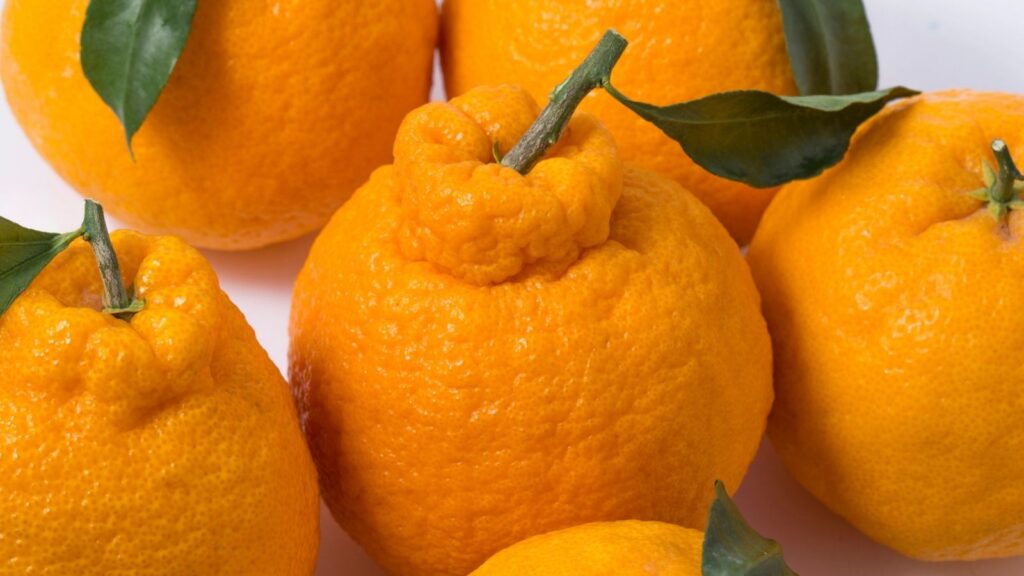
Hallabong, grown primarily on Jeju Island off South Korea’s southern coast, delivers a softer, honeyed brightness with almost no bitterness, the kind of lift that improves a dish without sharpening it. Sumo Mandarin is seedless, easy to peel and intensely sweet with low acidity, which makes it particularly compelling in applications where a chef wants citrus presence without citrus aggression. Both are showing up in preparations where a sour note was once the automatic choice, but where the goal now is brightness over bite.
Behind the bar, rare citrus rewrites cocktail formulas
Mixologists are drawn to these varieties for the same reason chefs are: control. Lemon and lime are acidic workhorses, reliable but blunt. Rare citrus allows a bartender to dial in a precise sweet-tart-aromatic balance that the standbys can’t replicate.
Yuzu led this move in the industry, becoming the gateway to rare citrus fluency across cocktail programs, and calamansi, hallabong and sumo are the next chapter. Yuzu-infused cocktails are already a prime example of where the genre is heading.
Global flavors dominated the floor at the 2026 National Restaurant Association Show in May, where industry observers noted that Asian, Latin American and Middle Eastern ingredients had moved from novelty to expectation across the hospitality sector.
The industry is chasing flavors that lemon can’t provide
A 2026 beverage trends forecast identified rising demand for fruits that push consumers past the familiar, flagging guava and sumac berry as emerging challengers to classic flavor standbys, and noted that beverage brands are finding creative ways to deliver the unexpected without abandoning comfort entirely. Consumers are ready for ingredients they don’t yet recognize by name, as long as the flavor delivers on arrival.
As global culinary influences deepen their hold on American kitchens and bars, the ingredients once considered too obscure to source are becoming the ones chefs reach for first. Calamansi, hallabong and sumo are not a passing novelty imported from a single corner of the world; they are part of a longer, quieter story about how the American palate has grown more curious and how the best kitchens and bars are responding.
Jennifer Allen is a retired professional chef and long-time writer. Her work appears in dozens of publications, including MSN, Yahoo, The Washington Post and The Seattle Times. These days, she’s busy in the kitchen developing recipes and traveling the world, and you can find all her best creations at Cook What You Love.