
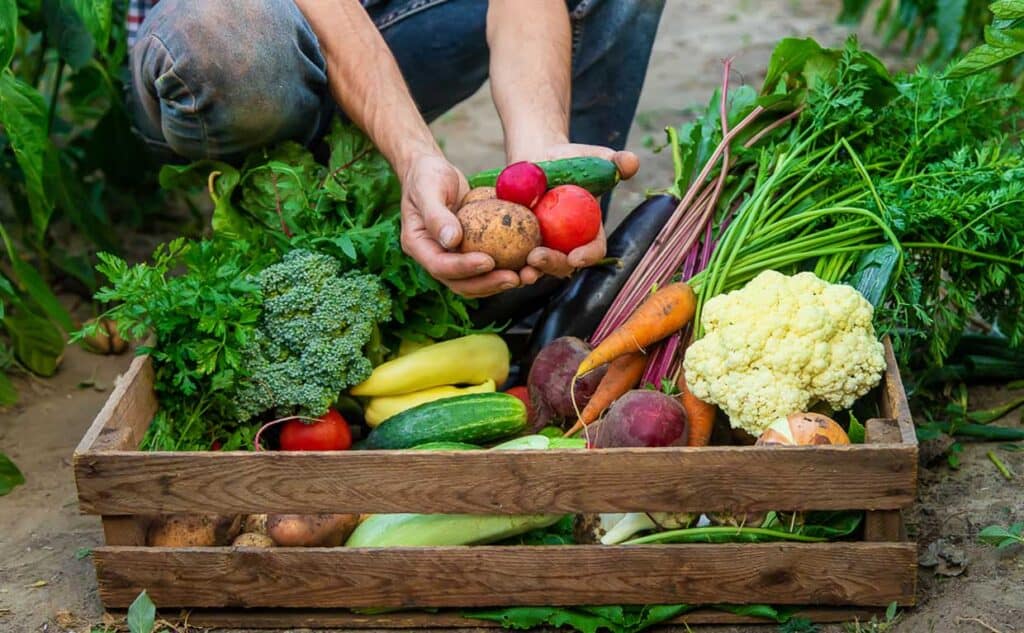
From raised beds to roasted beets, garden-to-table is changing how people eat at home, as 55% of American households now maintain gardens and focus on homegrown ingredients. With fresh produce just steps away, many are skipping extra trips to the store and relying less on packaged goods. This shift brings seasonal variety to daily meals and encourages more hands-on cooking.
This post may contain affiliate link(s). As an Amazon Associate, I earn from qualifying purchases. See Disclosures.
Home gardens are inspiring a more deliberate approach to food storage, especially with small-batch harvests. Rather than wasting excess produce, more households are preserving it through freezing, pickling or fermenting to extend shelf life and minimize waste.
Growing food at home
More people are turning to home gardening as sustainability and clean energy spark broader interest in everyday activities, including how food is grown and prepared. Instead of relying solely on store-bought produce, they’re planting herbs, greens and vegetables in backyards, balconies and small urban plots. The practice offers simplicity and a sense of clarity, as tasks like watering, harvesting and meal planning provide a hands-on alternative to screen-heavy routines.
Gardening fosters a deeper connection with seasonal food, encouraging cooks to think differently about food preparation and waste. For many, growing food is not only practical but also satisfies the desire for routines that feel calm, purposeful and rooted in daily life.
The appeal of edible landscaping
Yards and gardens are taking on new roles as more households adopt edible landscaping. By mixing edible plants with ornamental design, outdoor spaces become not just attractive, but productive. Home cooks now view their gardens as a fresh source of ingredients, where herbs, leafy greens and berries can grow alongside native flowers and shrubs.
This approach promotes intentional eating while giving people more control over how their food is grown. With ingredients growing near the kitchen, households make fewer store runs, use less packaging and get more creative with meals. It also encourages time outdoors and adds seasonal variety that’s difficult to find on standard grocery shelves to the table. As this style of planting spreads, gardens are becoming direct contributors to meals rather than just visual features.
From harvest to home cooking
Instead of shopping first and cooking second, more home cooks are letting the garden lead the way. Meals now begin with what’s growing outside, not what’s on sale in the store. Dinner starts with a handful of ripe tomatoes or a basket of leafy greens, prioritizing freshness over convenience.
This method shortens the time between harvest and plate, preserving nutrients and improving flavor. Because produce is picked and used as it reaches peak ripeness, meal prep tends to be simpler and more ingredient-driven. Fewer packaged items are needed when herbs, vegetables and fruits are right outside the kitchen door.
Practical help for home gardeners
New tools and techniques are making home gardening more accessible and efficient. Smart irrigation systems adjust water use based on weather or soil conditions. Mobile apps provide planting schedules, guidance in crop care and troubleshooting, making it easier to plan and maintain gardens.
Raised beds improve soil structure and reduce physical strain, which is especially helpful for those who are older or have physical limitations. Techniques like companion planting, where crops that naturally support each other are paired together, promote healthier growth. Natural pest control methods, such as using row covers or introducing beneficial insects, offer alternatives to chemical treatments. Even simple composting setups allow households to turn everyday scraps into nutrient-rich soil. These tools and techniques help minimize guesswork and deliver more consistent results in the garden.
Changes in shopping and food waste
Homegrown produce is beginning to influence how people shop. Gardeners often skip packaged greens and herbs by harvesting only what they need from their yards. This practice prevents overbuying and lowers food waste.
Planning meals around garden produce reduces the need for last-minute grocery trips and discourages impulse purchases. With smaller harvests, there’s less risk of spoilage. Surplus produce is also more likely to be frozen, pickled or fermented for later use, maximizing its value and keeping it out of the trash.
The future of garden-to-table living
Garden-to-table living continues to grow as a practical home practice, supported by better tools, local knowledge and a clear focus on sustainable habits. As more families build meals around homegrown ingredients, gardens are now driving how and what people eat. The daily act of tending and harvesting has become a reliable source of fresh meals, seasonal variety and self-sufficiency. This approach in cooking and living points toward a future where food becomes more immediate, connected and rooted in place.
Zuzana Paar is the visionary behind five inspiring websites: Amazing Travel Life, Low Carb No Carb, Best Clean Eating, Tiny Batch Cooking and Sustainable Life Idea. As a content creator, recipe developer, blogger and photographer, Zuzana shares her diverse skills through breathtaking travel adventures, healthy recipes and eco-friendly living tips. Her work inspires readers to live their best, healthiest and most sustainable lives.