
Freezing cheese is one of those things people have big opinions about. Some do it all the time, while others say it ruins the cheese. Here’s the truth: it depends on the cheese and what you plan to do with it.
This post may contain affiliate link(s). As an Amazon Associate, I earn from qualifying purchases. See Disclosures.
The main thing to know is that freezing can change the texture, but it doesn’t make the cheese unsafe to eat. So if you’re expecting perfect slices for a cheese board, freezing cheese isn’t the right move. But if you want cheese for casseroles, soups or pizza, freezing can be a real money-saver.
What freezing does to cheese
Freezing affects the moisture inside cheese. As water freezes, it expands and forms ice crystals. Those crystals break down the cheese structure, which is why thawed cheese can feel crumbly or slightly grainy. Fat content plays a role, too, but moisture is the bigger troublemaker.
The good news is that flavor usually survives freezing just fine. Most frozen cheese will still taste like cheese. They just don’t always slice or melt the way they did before.
Cheeses that freeze well
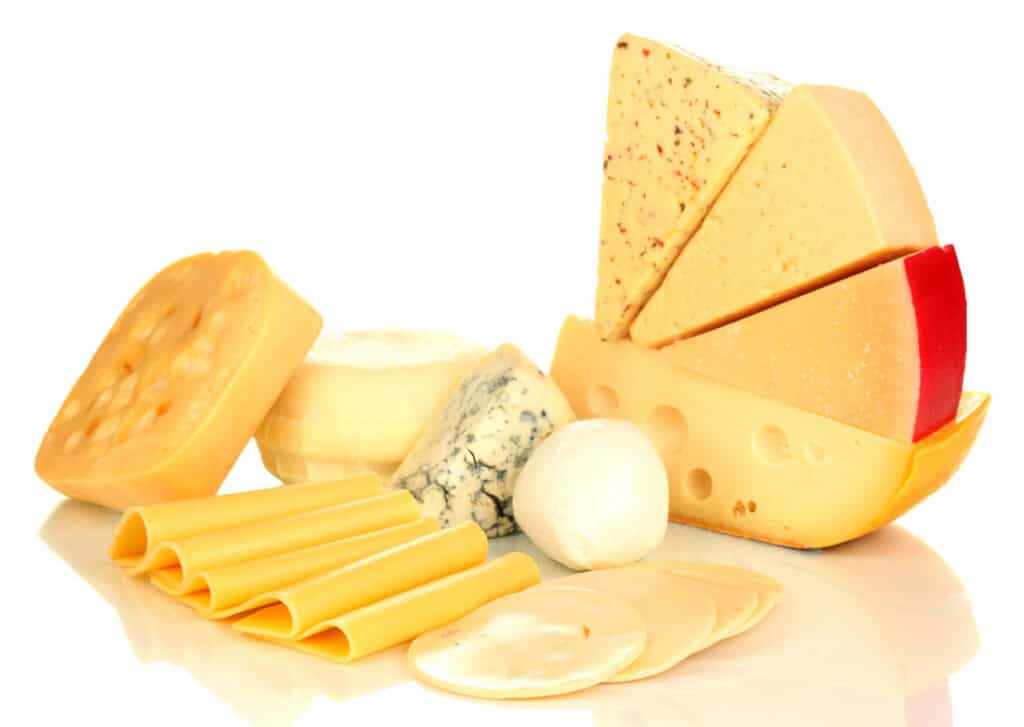
Some cheeses freeze better than others, and the difference usually comes down to moisture. Firmer cheese with less water tends to handle freezing well, with only minor texture changes after thawing. They may crumble a bit more, but they still melt nicely in cooked recipes.
Hard cheeses
Cheddar, Colby, Swiss and Parmesan all freeze well. These cheeses have less moisture to begin with, which means fewer ice crystals form during freezing. After thawing, they may crumble a bit more than usual, but the flavor holds up well.
Parmesan works especially well frozen. Both blocks and grated Parmesan freeze beautifully and can be used straight from the freezer in many recipes, including these apricot Parmesan puff pastry pinwheels, where the cheese melts right into the pastry.
Semi-hard cheeses
Monterey Jack, low-moisture block mozzarella and provolone also freeze well. After thawing, these cheeses may be slightly softer or more crumbly, but they still melt well and perform nicely in casseroles, sauces and baked dishes. Low-moisture mozzarella is especially dependable in oven-baked meals like this meatball casserole, where it melts smoothly, and texture changes are barely noticeable.
Cheeses that do not freeze well
Some cheeses really do not like the freezer. Their high moisture and delicate structure can turn them grainy, watery or separated after thawing.
Soft cheeses
Cream cheese, ricotta, cottage cheese, Brie and Camembert don’t hold up well in the freezer. They have high moisture and delicate structure, so freezing often causes separation and water release, and the texture can become grainy or curdled. Cream cheese may look curdled, ricotta can turn watery and oft-ripened cheese can lose its smooth texture.
Fresh cheeses
Fresh mozzarella and soft goat cheese logs fall into the same category. Freezing these cheeses is worth considering only if they will be fully cooked later, such as when blended into casseroles. Even then, expect texture changes.

The best ways to freeze cheese
Freezing cheese works best when you treat it like meal prep, not long-term storage for one giant block. The goal is to limit air exposure and freeze it in portions you will actually use, so it thaws quickly and keeps its best texture. These simple steps help prevent freezer burn and reduce crumbling after thawing.
Freeze cheese in recipe-size portions so you only thaw what you need, since refreezing makes texture problems worse. Cut blocks into small chunks or shred cheese in the amounts you use most, then wrap it tightly in plastic wrap and place it in a freezer bag or airtight container. Finally, label each package with the type of cheese, portion size and freeze date.
Freezing shredded cheese
Shredded cheese freezes very well, especially store-bought cheese that contains anti-caking agents. You can shred your own cheese and freeze it, but it may clump more after thawing. Tossing it lightly with a small amount of cornstarch or flour can help with clumping, but this is only useful if the cheese will be cooked. It’s not ideal for fresh uses.
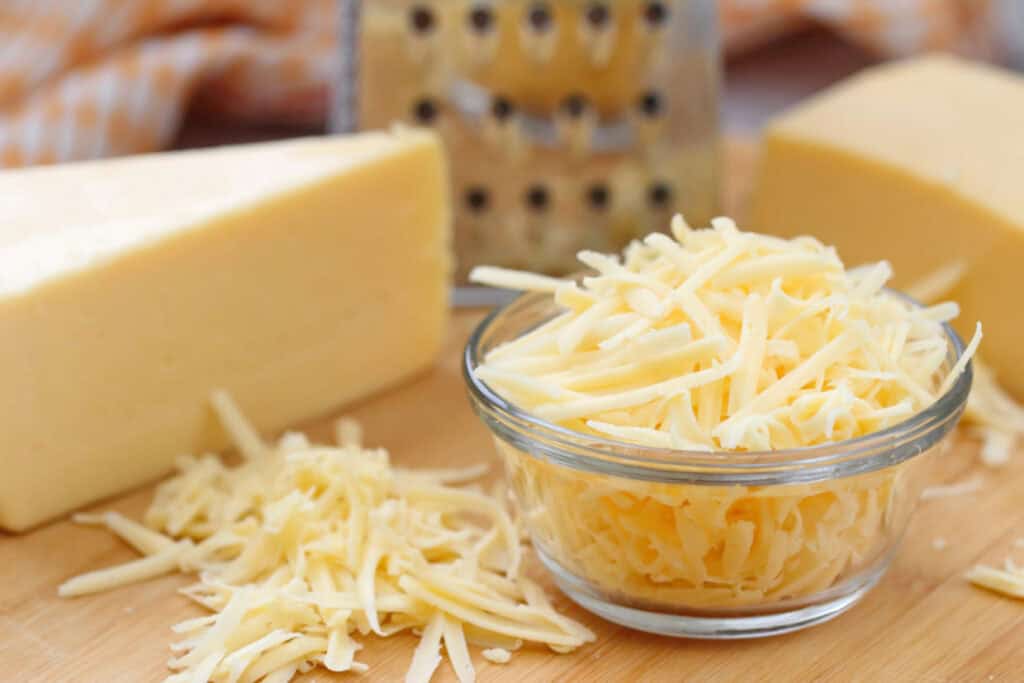
Freeze shredded cheese in flat freezer bags so it thaws quickly and evenly. Lying the bags flat also makes them easier to stack and store in the freezer.
“We usually buy the big blocks of Parmesan and shred them in the food processor, and I almost always end up with extra. I freeze about half in a zip-top bag for a month or two, and it’s ready to grab whenever I need a handful. I also cut the Parmesan rind into smaller pieces and freeze those in a separate bag so I can toss one into soups later, especially minestrone or veggie soup.”
— Casey Rooney, Get On My Plate
How long can cheese stay frozen
Most cheeses can stay frozen for several months, but their quality changes over time. Texture and melt are affected more by how the cheese is wrapped than by the exact length of time in the freezer.
- Most cheeses keep best for two to six months.
- Longer storage affects the texture and melt.
- Wrap quality matters more than freezer time.
How to thaw cheese properly
Always thaw cheese in the refrigerator. Slow thawing helps limit moisture loss and preserves the texture. Avoid thawing at room temperature to prevent uneven thawing and condensation, which can cause sogginess. Some cheeses, especially shredded or grated ones, can be used straight from frozen in cooking for soups, casseroles and baked dishes.
The best uses for frozen cheese
Frozen or thawed cheese works best in cooked recipes like casseroles, sauces, soups, mac and cheese and grilled cheese sandwiches. Melting hides texture changes and lets flavor shine.
Frozen cheese works great on pizza, and this easy BBQ chicken flatbread pizza is an easy weeknight way to put it to work. For more ideas on cooking with different cheeses, especially ones that melt well, this National Cheese Day guide has plenty of good inspiration.
Final thoughts
Freezing cheese isn’t fancy, but it works. It helps stretch your grocery budget, reduces food waste and makes meal planning easier. Once you know which cheeses hold up best in the freezer and how to use them afterward, freezing cheese becomes a simple, dependable kitchen habit.
Jere Cassidy is the writer and recipe developer behind the blog One Hot Oven. A passion for all things food-related led her to culinary school to expand her baking skills and now to share easy recipes for all home cooks and bakers of all skill levels. When not in the kitchen, Jere’ likes to travel far and wide to find delicious food.