
The night sky takes center stage as National Meteor Watch Day begins, and stargazers look up for a chance to witness nature’s light show. Observed annually on June 30, the event invites people across the United States to head outdoors and watch for meteors streaking across the sky. No equipment is required to enjoy this simple yet awe-inspiring stargazing experience.
This post may contain affiliate links that may earn us a commission. For more information, see our Disclosures.
Dark sky sites and observatories are expanding their focus, using the momentum of this observation to fuel interest in astronomy year-round. With events like constellation tours and telescope nights offered in every season, these venues make stargazing a regular experience instead of a once-a-year event.
Stargazing season kicks off
National Meteor Watch Day may not align with a peak shower, but it still gets people looking up. The low moonlight this time of year creates better visibility for sporadic meteors in darker regions. Cities and local groups use the date to host telescope sessions, guided walks and science talks that bring communities together. Visibility improves after midnight when skies are darkest, though early evening sightings can still happen if conditions are right.
Make the most of a meteor watch
No telescope is needed to catch a meteor streaking through the sky, but a few simple tools can improve the experience. Find a dark, open spot away from streetlights and let your eyes adjust for 20-30 minutes. While meteors are best seen with the naked eye, other equipment can enhance the experience.
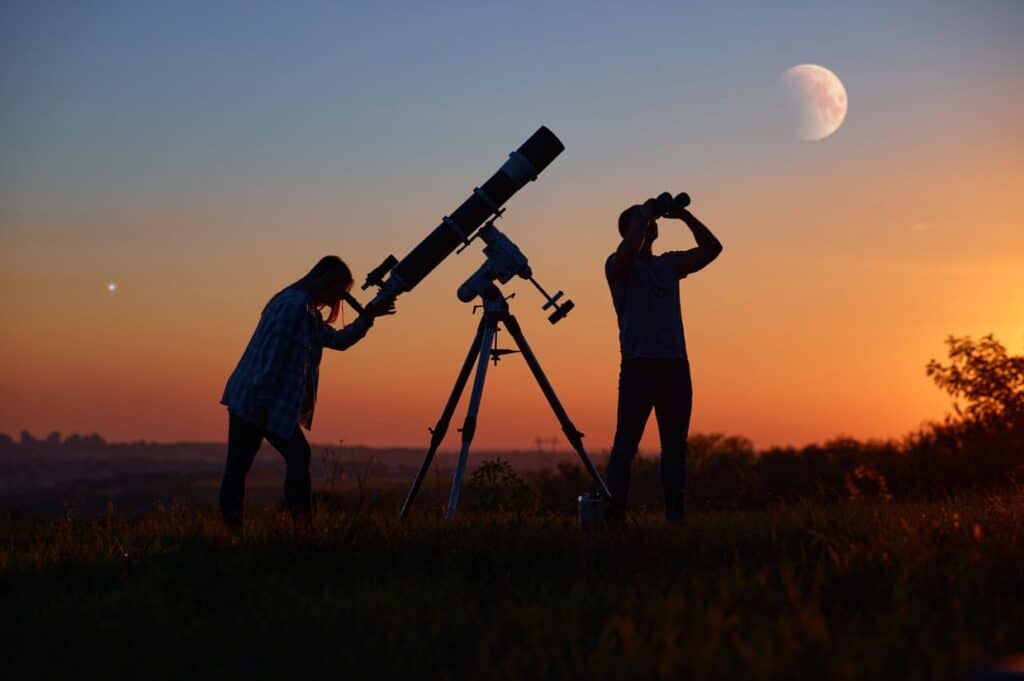
Binoculars and spotting scopes are useful for observing constellations or nearby celestial objects like the moon and planets, although they’re too narrow in view to catch meteors. Telescopes offer deeper views of space but aren’t ideal for meteor watching, since meteors move too quickly across the sky. Cameras, however, especially those with long-exposure settings, can capture unexpected meteor trails and create striking images of the night sky. For extra guidance, apps like SkyView or Stellarium can help identify constellations and track activity in real-time.
Why nights like this matter
National Meteor Watch Day highlights a growing public interest in unplugging from screens and engaging with the natural environment. Stargazing events like this are increasingly viewed as meaningful ways to reduce stress, encourage mindfulness and strengthen community through shared outdoor experiences.
These nights are more than moments of entertainment. They provide a clear view of the larger systems that surround us, reminding us that in a world full of noise, quiet skywatching remains a powerful way to gain perspective and feel connected to something bigger.
Looking ahead to 2025
June 30 acts as a warm-up for a packed calendar of sky events. The real show picks up in the second half of the year.
The Perseids in August are often the most accessible, with peak nights producing dozens of meteors per hour under ideal conditions. In 2025, however, a bright waning gibbous moon will wash out fainter meteors throughout most of the night.
The Geminids in December are considered the most reliable, offering consistent activity even in colder weather. This year’s event is expected to peak under a waning crescent moon, which should result in favorable viewing conditions.
Early risers in January can catch the Quadrantids, which offer a short but intense burst of meteors. In 2025, the peak is forecast for early morning on Jan. 3, and moonlight is minimal since the crescent moon sets early.
NASA and the American Meteor Society publish annual calendars with peak dates and best viewing regions. Actual visibility depends on location, moon phase and weather, and forecasts are based on historical patterns and are subject to change.
Where to go for the best views
Light pollution still limits the view in many areas, but several certified dark sky sites across the country continue to offer reliably clear conditions. These locations often schedule community-led skywatching events in late June, allowing visitors to catch meteor activity in optimal conditions.
Cherry Springs and Big Bend National Parks
In Pennsylvania, Cherry Springs State Park offers some of the darkest skies on the East Coast and draws consistent crowds for its telescope viewings and guided night tours. Big Bend National Park in Texas also stands out for its high elevation and isolation, making it a favorite among amateur astronomers. While schedules shift year to year, both parks continue to support programming that complements National Meteor Watch Day.
Griffith and Lowell Observatories
Griffith Observatory in Los Angeles offers daily programs and monthly star parties that continue to draw large crowds. In Flagstaff, Ariz., Lowell Observatory uses late June to highlight astronomy through events like Asteroid Day, giving visitors a chance to engage with the science behind the spectacle.
Eyes on the sky
National Meteor Watch Day kicks off a high-stakes season for skywatchers. June 30 marks a turning point as anticipation builds for a season packed with meteor showers. From national parks to observatories, the best seats in the house combine dark skies with expert guidance, bringing each streak of light into sharper focus.
A luxury travel, food and adventure journalist with a passport full of stories from over 46 countries, Mandy specializes in uncovering unforgettable experiences across the globe. With a deep love for the Far East and a diver’s eye for hidden worlds, she brings readers along on immersive journeys that blend indulgence with discovery, and she shares it all on Ticket to Wanderland.