
Europe’s blockbuster summer cities are about to turn into a giant open-air waiting line again, and many Americans already swerve away from the chaos. Google Flights search trends show travelers increasingly building trips around smaller European cities where harbor walks, old-town cafes and regional food scenes come with far less suitcase-dragging misery.
This post may contain affiliate links that may earn us a commission. For more information, see our Disclosures.
Many travelers plan more summer vacations around quicker two- to three-day stops and choose compact European cities where major attractions, waterfront districts and local food scenes are within easy reach. That approach to summer travel is becoming more visible across Google Flights trending searches for summer 2026, with destinations such as Stockholm, Palma de Mallorca, Budapest and Dubrovnik attracting travelers who want the complete European getaway experience.
Summer travelers slow down in Stockholm
European destinations continue to lead summer travel searches, with Google Flights data showing strong interest across Europe, the Caribbean and Latin America. Among those destinations, Stockholm has attracted Americans looking for cooler weather and a calmer experience during peak summer travel.
Waterfront neighborhoods spread across the city’s islands help prevent the dense crowding common in larger European capitals during midsummer. Typical stays include Gamla Stan, Djurgården, the Vasa Museum and ferry rides that connect different parts of the city, which gives visitors several ways to explore without relying heavily on long transit rides.
Long walks between cafes, harbor stops and bakeries naturally become part of the experience. Gravlax, shrimp sandwiches and Swedish pastries appear throughout the city, especially near ferry terminals and waterfront districts, where visitors often pause between sightseeing stops. Summer hotel prices can still rise sharply, although public transit and ferry access help offset some transportation costs once travelers arrive.
Travelers split time across Mallorca towns
Palma de Mallorca continues to draw Americans looking for Mediterranean beach days paired with marina nightlife and historic streets. Instead of centering an entire vacation in one resort zone, many visitors hop between Palma and smaller coastal towns that dot Mallorca’s shoreline.
Many trips center on the Cathedral of Santa Maria of Palma before branching out to nearby coastal towns or other parts of the Balearic Islands. This spring, searches for Port de Sóller rose quickly among destinations connected to Mallorca travel, while interest in Mallorca beach clubs also climbed ahead of the summer season.
The city’s dining scene follows the same coastal atmosphere found across much of the island. Bakeries sell ensaïmada pastries alongside sobrasada sausage, while seafood rice dishes and waterfront restaurants fill marina districts late into the evening. Hotel costs still climb during peak travel weeks, but many Americans continue to view Palma as a less overwhelming alternative to larger Spanish tourism centers.
Budget-conscious travelers keep turning east
Budapest remains popular with Americans who want to see historic landmarks and experience dining without the higher costs common across Western Europe. Hotel stays, transit fares and restaurant prices often allow travelers to fit more into shorter trips without heavily adjusting their budget.
Many itineraries center on the Hungarian Parliament Building, Buda Castle, thermal baths and Danube riverfront neighborhoods that can be found between Buda and Pest. Because activity extends across multiple districts, sightseeing tends to feel less compressed than in some heavily crowded capitals.
Nightlife also continues to drive much of the city’s appeal among younger travelers and group trips. Evenings often go between ruin bars, riverside terraces and late-night cafes serving goulash, chicken paprikash and chimney cake. Budapest still stands out as one of the few European capitals where dining, nightlife and major sightseeing remain financially realistic within the same vacation.
Dubrovnik expands beyond Italy-heavy trips
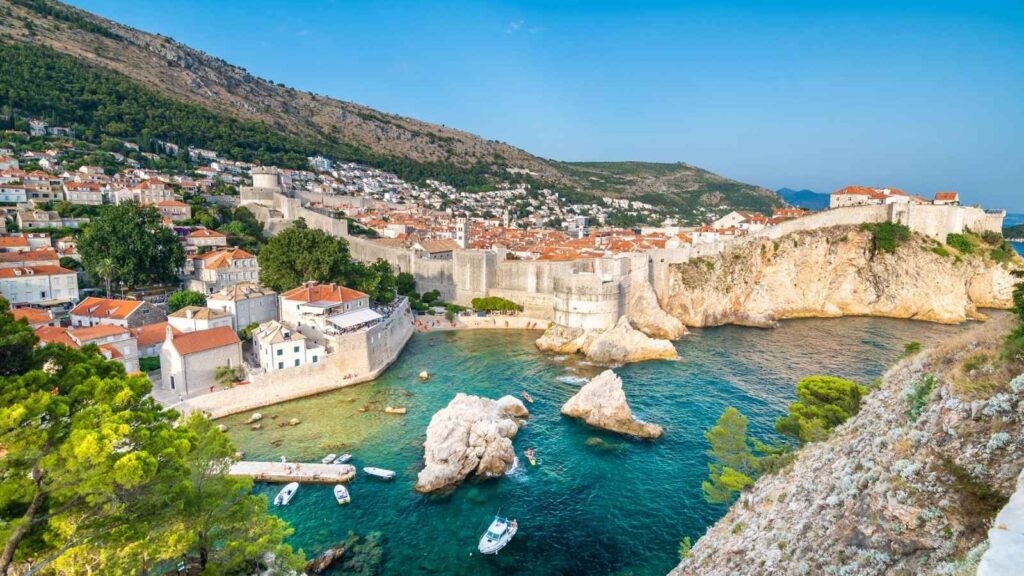
Dubrovnik appears as a one-stop within broader Adriatic vacations as more Americans explore beyond Italy-centered summer itineraries. Many visitors now combine the Croatian coast with nearby islands, Montenegro stops and additional destinations farther along the Balkans.
Most stays focus on the Old Town walls, Lokrum and boat trips along the Adriatic coastline. Despite heavy tourism traffic during the summer, the historic center remains compact enough for visitors to cover major landmarks in a relatively short visit.
Seafood remains central throughout the waterfront districts, where restaurants commonly serve black cuttlefish risotto, grilled Adriatic fish and other coastal dishes connected to the region’s maritime traditions. Prices inside the Old Town often rise quickly during the busiest travel weeks, so many travelers book accommodations in nearby coastal neighborhoods where lodging costs run lower than inside the historic core.
Summer travel goes beyond major capitals
Smaller European cities and coastal regions may continue to attract more international attention as travelers move beyond the continent’s most heavily promoted capitals. Boutique hotels, local tourism groups and regional rail systems could benefit as visitors allocate spending across several destinations instead of allotting it in one city. That movement may gradually redirect summer tourism traffic toward places that previously received lighter international demand.
Zuzana Paar, a co-founder of Food Drink Life, is a seasoned traveler and writer who has explored 62 countries and lived in St. Lucia, Dubai, Vienna, Doha and Slovakia. Her work has been featured on Fox News, New York Daily News, MSN and more; she has also appeared live on Chicago’s WGN Bob Sirott Radio Show. When she’s not discovering new destinations, she shares travel tips and insider insights to help others experience the world in a unique and unforgettable way.