
When visitors plan a trip to Puerto Rico, San Juan is the first, and often the only, thought. The cobblestone streets of Old San Juan and the nightlife of La Placita are magnetic for a reason. But Puerto Rico has so much to offer beyond its capital city, and the ecotourism options are growing to help attract tourists beyond the metro area, especially in the south of the island.
This post may contain affiliate links that may earn us a commission. For more information, see our Disclosures.
Puerto Rico is divided into 78 distinct municipalities, and each one possesses a unique personality, geography and cultural flavor. The island has an entrepreneurship movement, where women are increasingly taking the lead in opening tourist-focused businesses that highlight local culture and sustainability.
Puerto Rico is an easy exploration
The island of Puerto Rico covers only about 110 miles from east to west and 40 miles north to south, making it very drivable. As Puerto Rico is a U.S. territory, there are no new driving rules to learn, you don’t need a passport to visit and your American driver’s license is all you need to rent a car and go.
While you’ll find Spanish spoken throughout Puerto Rico, the locals also speak English, especially those in the tourism industry. The culture is welcoming and friendly, with most locals excited to introduce their island to visitors.
Experience the rainforest
You cannot talk about nature in Puerto Rico without acknowledging El Yunque National Forest. This is the place more people know, and it is worth a visit, as it’s the only tropical rainforest in the U.S. National Forest System. The experience here is sensory overload in the best way possible.
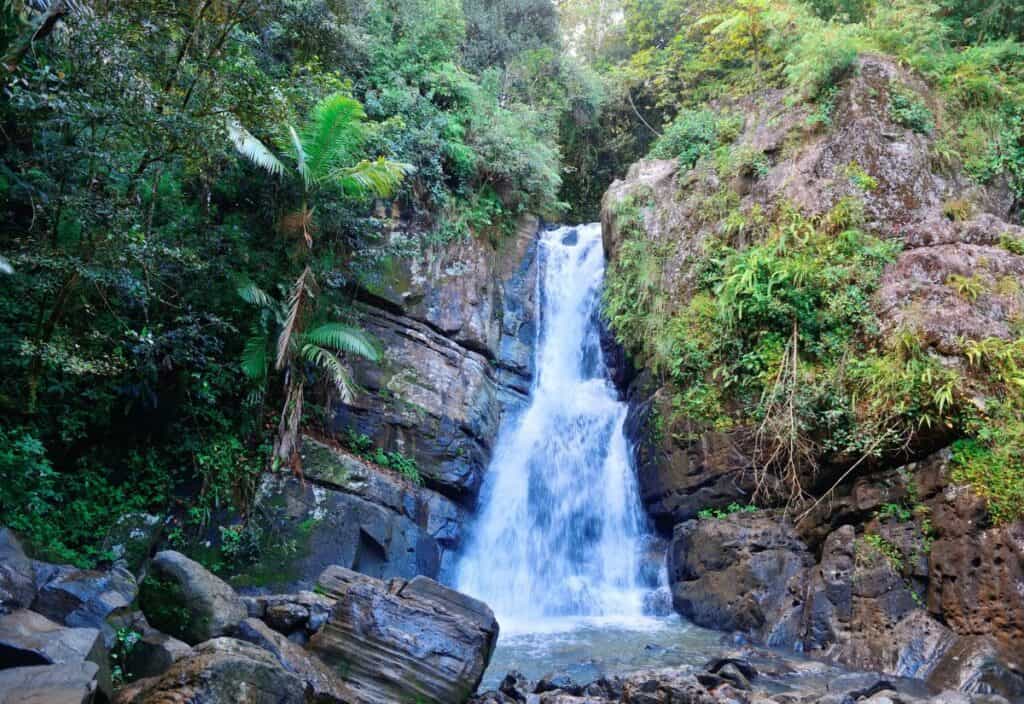
You hear the coqui frogs croaking before you see them, and the air feels thick with moisture. Waterfalls cascade down moss-covered rocks, and the greenery is so vibrant it looks photoshopped. You don’t want to miss the opportunity to hike down to the base of a waterfall and swim in its pool to refresh yourself.
The unexpected landscapes of the southwest
Most visitors picture Puerto Rico as a lush green jungle, but the southwestern coast offers a stark and beautiful contrast and is a great place to focus a trip outside San Juan. The Bosque Seco de Guánica or Guánica State Forest is a United Nations International Biosphere Reserve that feels more like Arizona than the Caribbean. It is one of the most extensive tropical dry coastal forests in the world and offers a surreal landscape of cacti, limestone formations and rare birds.
Hiking in Guánica State Forest is often much tougher than in the rainforest due to the dry, intense heat, so early mornings are best. The forest offers trails for every fitness level, but the trek to Fuerte Caprón is the one to prioritize.
This historic fort offers a panoramic vista that makes the climb worth every step. Once you reach the stone ruin, you can climb the lookout for a sweeping view of the Guánica Bay and the Caribbean Sea. Relatively few tourists make the trek, leaving you alone to enjoy the majesty.
While El Yunque is about immersion and vitality, Guánica is about endurance and stark beauty. Seeing both on the same trip provides a complete picture of the island’s incredible ecological range.
Art and sustainability in Guayama
As you move along the coast, you’ll find that the entrepreneurial spirit thrives in towns like Guayama. This is where you find unique spots like Tropi Shack. This colorful establishment is a prime example of the women-led business wave sweeping the island.
At Tropi Shack, visitors can engage in art workshops using recycled materials. It transforms the concept of a souvenir from a mass-produced trinket into something personal and eco-conscious. Sit down with a refreshing cocktail, and craft your own piece of art to take home.
The menu complements the experience with delicious local favorites like empanadas. Supporting places like this connects you with the local economy and offers a window into how Puerto Ricans are turning environmental awareness into community-building enterprises.
La Parguera’s bioluminescent bay
One of the most magical experiences in the Caribbean is witnessing bioluminescence. Puerto Rico is home to three of the world’s five permanent bioluminescent bays, but they are not all created equal. While Mosquito Bay in Vieques is famous for its brightness, the bay at La Parguera in Lajas offers something the others generally do not: the chance to jump in.
Hook’d on Adventure is a local operator that takes visitors out to the bay on small boats. Starting at sandbars with mangrove islands just beyond the anchor point to experience the sunset, guests ease into the magic of the bioluminescent experience.
In the dark within the protected bay, microscopic organisms called dinoflagellates light up when disturbed. When you swim, your limbs leave trails of blue-green light that look like pixie dust. It is a surreal feeling to float in the dark, warm water while every movement creates a glow. Because this is the only bio bay in Puerto Rico where swimming is permitted, it attracts those who want a tactile connection with nature rather than just a visual one from a kayak.
Dining where the locals eat
Food is the quickest way to the heart of any culture, and the culinary scene outside San Juan is unpretentious and flavor forward. In the coastal village of La Parguera, the boardwalk area comes alive at night with families walking and music filling the air.
Try local spots like El Karakol to enjoy dishes like mofongo, where most diners are residents who have lived in Lajas their whole lives. For something a bit fancier, Brujula focuses on fresh local seafood with a modern twist. Eating in these towns supports the local ecosystem, which guarantees you’re tasting the authentic flavors of the region rather than a watered-down version meant for tourists.
Immersive stays over day trips
Many travelers make the mistake of treating the rest of the island as a series of day trips from San Juan. This approach means you spend half your vacation on the highway. Instead, book stays in different municipalities to truly immerse yourself in the region.
In Guánica, the Copamarina Beach Resort & Spa offers a slice of luxury on the southern coast. It’s a sprawling property that feels worlds away from the high-rise hotels of the metro area. You can wake up to the sound of gentle waves and take a boat directly from the resort to Gilligan’s Island, officially named Cayo Aurora, for a day of snorkeling. From here, you can explore the southwest coast, including easy access to the dry forest.
For a more bohemian vibe, book La Jamaca Hotel & Restaurant in the Reparto Laborde neighborhood of Lajas. As the name suggests, hammocks are a central theme here. The property is quirky, colorful and relaxed. It captures the essence of the southwest coast, which is famously more laid back than the north, and most guests are Puerto Ricans, giving you a chance to experience local life. At La Jamaca, you’re just minutes away from the biobay tours and the nightlife of La Parguera.
By booking two or three nights in hotels outside San Juan, you have more time to enjoy what each district has to offer instead of spending your days driving to a single experience. They have fewer mainland tourists, so you have more of a chance to experience life like a local and fall into the pace of each distinct town.
The road less traveled
Puerto Rico is small enough to drive around in a day but dense enough to keep you exploring for a lifetime. When you leave the capital and head south, you leave behind the traffic and have the opportunity to find a version of the island that is grounded in community and nature. From the dry heat of Guánica to the glowing waters of Lajas and the creative energy of Guayama, the municipalities offer a rich tapestry of experiences.
Michelle Price loves sharing her expertise and experiences at Honest and Truly Travels. She focuses on providing the inspiration and the confidence you need to hit the road with new flavors and experiences, whether that’s across town or across the world.