
Snack boards, once tied to entertaining, are moving into everyday use as more consumers shift away from structured meals toward flexible, build-as-you-go eating. What started as a charcuterie spread has expanded into a format that now shows up at dinner, lunch and even breakfast, showing broader changes in how people approach meals.
This post may contain affiliate link(s). As an Amazon Associate, I earn from qualifying purchases. See Disclosures.
Recent data shows how widespread that shift has become. The International Food Information Council, or IFIC, Food & Health Survey continues to track daily snacking and meal-replacement behavior, while Circana’s food and beverage research points to a market increasingly driven by changing eating occasions and more flexible, at-home consumption. Together, they support a broader move away from rigid meal structures and toward smaller, more adaptable ways of eating.
Flexible eating patterns reshape the idea of a meal
The move toward snack boards aligns with a broader shift away from the three-meal structure that has long defined daily eating. Instead of sitting down for set meals, many consumers now spread intake across smaller, more frequent eating occasions.
That change is measurable. Data from the IFIC survey shows snacking has become a daily habit for most Americans, and snack boards fit easily into that pattern. Rather than committing to one recipe, they allow people to assemble a meal from multiple smaller components, matching how they already eat.
Snack boards fit how people want to eat now
As eating patterns change, so do expectations. Consumers now place more value on flexibility, variety and control over what goes on their plate.
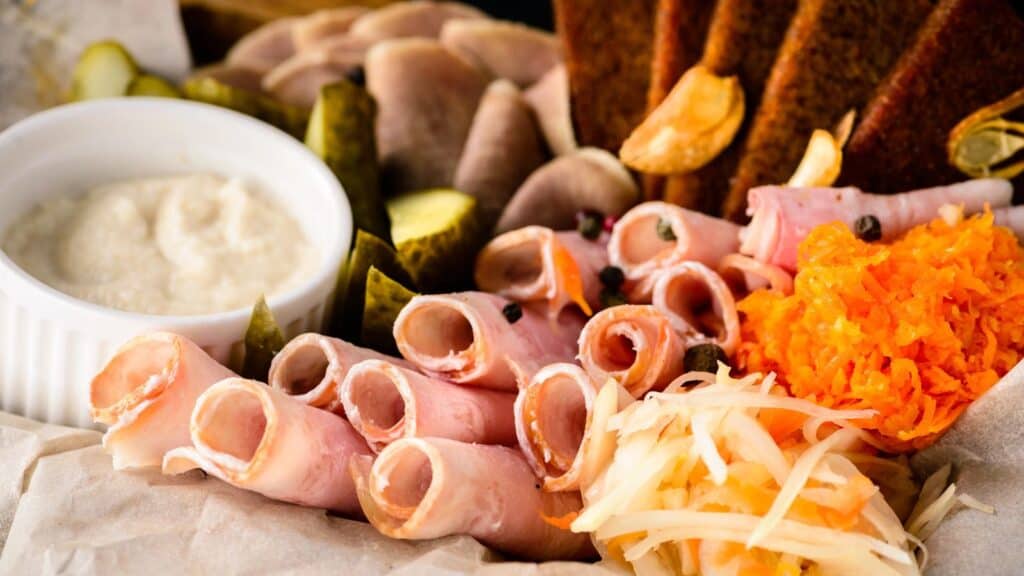
Instead of sitting down to a single dish, people are building meals from smaller components throughout the day. A snack board can hold proteins, vegetables, dips, breads and fruit in one place, letting each person assemble a meal differently. It removes the need to commit to one recipe while still offering enough variety to feel complete. Don’t forget about internet sensations, like butter boards made with top-quality butter brands like Challenge.
That flexibility adds to the appeal, as a single board can accommodate different tastes and portion sizes without requiring multiple meals or extra preparation. It also reduces the need to plan and cook a fully structured dinner, making it an easier option on busy days.
Social media turns boards into a repeatable format
The rise of snack boards also ties to how food trends spread today. Platforms like TikTok and Pinterest have turned boards into a highly visual, repeatable format that users can easily recreate at home.
On TikTok, hashtags such as #grazingboard and #snackboard have generated hundreds of millions to more than a billion views, while Pinterest continues to report growth in searches for grazing tables and shareable food spreads. The format works well on both platforms because it emphasizes color, texture and abundance, elements that translate clearly on screen.
More importantly, these platforms are not just showcasing boards; they are teaching them. Step-by-step videos and styled images provide a template that viewers can follow, turning a visual trend into a practical way to assemble a meal.
Boards move beyond charcuterie into full meals
As the format spreads, it also expands well beyond its original use. Traditional charcuterie boards centered on meats and cheeses are now just one version of a much broader category.
Dinner boards built around grilled proteins, roasted vegetables and sauces are becoming more common, along with build-your-own formats such as taco boards, guacamole boards, burger boards and grain bowl spreads. Breakfast boards featuring eggs, fruit and baked goods, as well as dessert boards, are also gaining traction.
In many cases, the board itself replaces the need for a plated meal. Instead of serving individual portions, the entire spread becomes the main course, allowing people to assemble what they want as they go.
Grocery trends reinforce the shift
Changes in how people shop support this move toward board-based meals. Grocery stores have steadily expanded prepared and ready-to-eat options, from deli counters to grab-and-go meals, making it easier for consumers to build meals from components instead of cooking everything from scratch.
That change aligns closely with how snack boards are assembled. Items like deli meats, cheeses, dips, cut fruit and pre-prepared sides can be combined quickly without much effort, turning a collection of convenience items into a full meal.
Retailers have also adapted how those products are presented. Many stores now group complementary items together or expand prepared food sections, helping shoppers pick up multiple components in one trip. The result is a shopping experience that supports flexible, mix-and-match eating, the same approach that defines snack boards.
Convenience without sacrificing experience
Part of what makes snack boards appealing is that they balance convenience with a sense of occasion. They require less time and effort than a fully cooked meal but still offer variety and visual appeal.
That combination allows them to work across different situations. A board can function as a quick solo meal, a family dinner or a casual way to entertain, without changing the underlying format. It also reduces decision fatigue by offering multiple options at once, rather than requiring a single choice. They offer room for creativity, too, with options like tomato tasting boards made with summer-fresh tomatoes.
Snack boards are likely to stick
Taken together, the data points to a broader evolution in how meals are structured. Eating is becoming more flexible, more frequent and more individualized, and formats that support those patterns are gaining ground.
Snack boards fit that progression closely. They align with changing schedules, evolving preferences and a growing emphasis on convenience while still offering a level of variety and presentation that traditional meals may not provide.
As those underlying behaviors continue to change, boards are likely to remain part of the mix, not just as a trend, but as a practical way to organize how people eat.
Jennifer Allen is a retired professional chef and long-time writer. Her work appears in dozens of publications, including MSN, Yahoo, The Washington Post and The Seattle Times. These days, she’s busy in the kitchen developing recipes and traveling the world, and you can find all her best creations at Cook What You Love.