
You might think spring means another bowl of greens on the side, but this year, they’re taking over the plate. Cooks build flavor with heat as they bring greens into pastas, sautes and full mains, turning bitter, peppery leaves into dishes that stand on their own.
This post may contain affiliate link(s). As an Amazon Associate, I earn from qualifying purchases. See Disclosures.
The leafy greens market will reach approximately $94.96 billion by 2030, growing at a 6.3% annual rate as demand for fresh, health-focused ingredients continues to rise. Behind that growth is how greens perform in the kitchen, where heat softens the leaves, balances their bite and helps them absorb oils and juices, allowing them to carry flavor in more substantial dishes.
Sautéing keeps greens vibrant
The leafy greens market reached an estimated $70 billion in 2025, pointing to strong demand as these ingredients move into a wider range of cooked dishes. Quick stovetop methods give delicate and peppery varieties a stronger presence in hot dishes. Arugula and watercress soften slightly while holding their bite, while frisee and escarole respond well to short heat, easing bitterness without losing form.
Garlic and oil create a straightforward base that carries bolder flavors, with the greens added first and finished with proteins or grains. Short cooking times preserve texture and allow these ingredients to shift into warm preparations without losing their light feel.
Greens take over pasta dishes
Pasta dishes shift toward greens as the main component, with noodles playing a supporting role. Cooks add escarole and radicchio in larger portions to form the base of the dish, and they briefly cook romaine and endive to add structure and a mild bitter note that balances the plate.
A small amount of cooking liquid brings everything together without relying on heavy sauces, while citrus and fresh herbs keep the finish bright and prevent the dish from leaning on dairy. “I love using greens like arugula and escarole in more than just salads because they add so much flavor to even simple meals,” says Kristin King of Dizzy Busy and Hungry. “I toss arugula into warm pasta right at the end so it wilts slightly, or sauté escarole with garlic and olive oil for a quick side dish.”
Proteins support greens in full meals
Escarole and mustard greens make up the core of meals, with beans adding weight without shifting focus away from the vegetables. These combinations create filling mains that remain centered on the leafy vegetables while still feeling complete.
Other pairings place greens beneath cooked proteins so they absorb heat and juices during serving. Watercress is often served with seafood, while arugula works well as a warm base for eggs. One-pan cooking keeps preparation straightforward while increasing the overall share of vegetables on the plate.
Braising unlocks rich flavors
Longer cooking methods bring sturdier greens into main dishes, with portions that hold up on the plate. Cooks slowly braise escarole and mature chicories to reduce sharp bitterness, while radicchio and endive hold their structure and develop deeper flavor over time.
The cooking liquid stays part of the dish, which helps retain nutrients that might otherwise be lost. These dishes often go with grains or bread, reinforcing their place as the center of the meal.
Pureed greens add layered texture
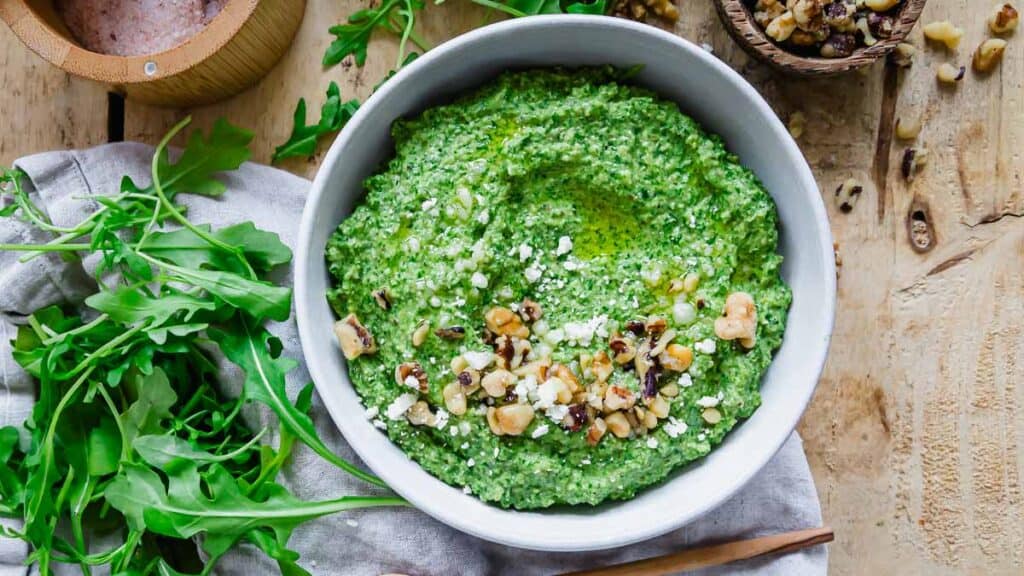
Blending introduces a different use, with arugula and watercress turned into smooth sauces that carry a peppery edge. Purslane adds body when pureed, along with a slight tang that works well in lighter dishes.
Cooks can blend escarole into brothy bases, extending its use beyond traditional soups. They spread these mixtures across the plate so flavor and presentation stay consistent throughout each bite, allowing greens to lead even when they are not served whole.
Spring greens continue to expand possibilities
Cooks treat spring greens as building blocks in dishes that go beyond familiar formats, layering them into meals in ways that feel more flexible and intentional. That approach opens up new combinations, pairing leafy produce with other seasonal ingredients in ways that are not yet standard on most menus or home tables. What comes next will likely depend on how far cooks take these ideas, as new dishes form from combinations that still feel fresh and not widely explored.
Zuzana Paar is the visionary behind five inspiring websites: Amazing Travel Life, Low Carb No Carb, Best Clean Eating, Tiny Batch Cooking and Sustainable Life Ideas. As a content creator, recipe developer, blogger and photographer, Zuzana shares her diverse skills through breathtaking travel adventures, healthy recipes and eco-friendly living tips. Her work inspires readers to live their best, healthiest and most sustainable lives.