
Vancouver has earned a place on every serious food traveler’s list for 2026, and the FIFA World Cup is only part of the reason. The Michelin Guide named it one of 16 best food cities in the world for 2026, and recommended summer: the season when Pacific seafood peaks, outdoor tables fill and the mountains stop being a backdrop and become part of every meal. The city has been this good for years; the world just needed a reason to show up.
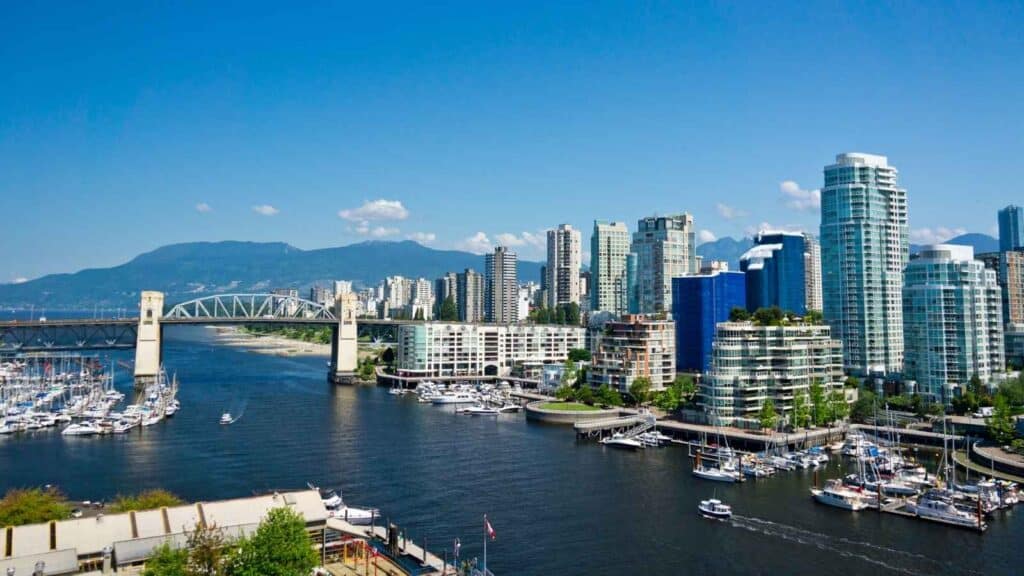
Recognition has followed Vancouver’s food scene at a remarkable pace. It now has 76 restaurants in its Michelin Guide across 22 cuisine types, including 12 starred and 15 Bib Gourmand restaurants, a count that rivals that of cities with decades more international recognition. What separates it from comparable food capitals is how much ground it covers: Pacific seafood, one of the continent’s deepest Asian food ecosystems, a growing Indigenous cuisine movement and neighborhood markets worth a full afternoon all operate within a city compact enough to cover in a day on foot or by ferry.
Fresh from the Pacific water
The seafood in Vancouver is not a restaurant concept but a geographic fact. Spot prawns, wild salmon, Dungeness crab and geoduck come off boats that dock a short drive from the kitchens serving them. Summer is the height of it.
Spot prawn season runs from late April through June, when fishing boats unload at Steveston and along the waterfront and chefs at Michelin-recognized tables build menus around what arrived that morning. The prawns appear butter-poached, grilled whole or raw as sashimi, and the difference between a Vancouver spot prawn and anything tasted elsewhere is obvious on the first bite.
Richmond and the Asian food depth
Twenty minutes from downtown, Richmond holds one of the most concentrated Asian food ecosystems in North America. The Richmond Night Market, the largest Asian night market on the continent, draws more than 1 million visitors a year and runs April through October, including more than 600 options spanning Chinese, Japanese, Korean, Malaysian and Vietnamese traditions.
The night market is the entry point, not the ceiling. Dim sum restaurants in the area operate at Hong Kong standards. Japanese omakase counters book weeks out. The Sichuan and Shanghainese dining rooms along Alexandra Road, known locally as Food Street, stay packed through midnight. This is the section of a Vancouver food trip most first-time visitors underestimate, and most return visitors build their entire itinerary around.
Indigenous cuisine is finally recognized
Salmon n’ Bannock, Vancouver’s only restaurant dedicated entirely to Indigenous cuisine, has been open in the Fairview neighborhood since 2010. Inez Cook, a member of the Nuxalk Nation in Bella Coola, built the kitchen around wild salmon, free-range organic game and bannock, drawing on ingredients connected to the land and water the city sits on. A second outpost at Vancouver International Airport, the first Indigenous restaurant in a Canadian airport, means the experience is available before travelers even reach the city.
A broader movement of Indigenous chefs and food entrepreneurs across the region is now bringing those same ingredients to food trucks, catering operations and fine-dining collaborations throughout Metro Vancouver.
The market is worth a full afternoon
The Granville Island Public Market has operated on a working waterfront inlet with the North Shore mountains behind it since 1979. In summer, it runs Thursday through Sunday until 7 p.m. More than 50 vendors cover fishmongers, specialty butchers, local bakers and cheesemakers.
The eating is direct and specific: smoked black cod, fresh oysters, handmade pasta and just-baked sourdough. Walk the market, eat as you go, then take what you bought to the outdoor deck and watch the water traffic. Few urban food markets offer this combination of quality, variety and setting in one place.
Vancouver’s moment has finally arrived
Major sporting and cultural events are increasingly determining where and when people travel, with 65% of the most-searched 2026 travel dates and cities aligning with events such as the FIFA World Cup. Vancouver enters its highest-visibility year with a food scene that has spent two decades earning exactly this kind of attention. Book now. Reservations will get harder, and the rest of the world is catching on fast.
The food cities that hold their reputations longest are not built around a single dish or neighborhood. Vancouver has four distinct food traditions that barely overlap, and each one is worth the trip alone.
Jennifer Allen is a retired chef turned traveler, cookbook author and nationally syndicated journalist; she’s also a co-founder of Food Drink Life, where she shares expert travel tips, cruise insights and luxury destination guides. A recognized cruise expert with a deep passion for high-end experiences and off-the-beaten-path destinations, Jennifer explores the world with curiosity, depth and a storyteller’s perspective. Her articles are regularly featured on the Associated Press Wire, The Washington Post, Seattle Times, MSN and more.