
Some of America’s quieter national parks are having a moment this July, and the travelers heading to them arrive with baskets worth the drive. The food is as deliberate as the destination: smoked provisions from local markets, foraged ingredients from the parks themselves, regional staples that only make sense eaten exactly where they came from. This National Picnic Month, choosing where to go and what to eat has become the same decision.
This post may contain affiliate links that may earn us a commission. For more information, see our Disclosures.
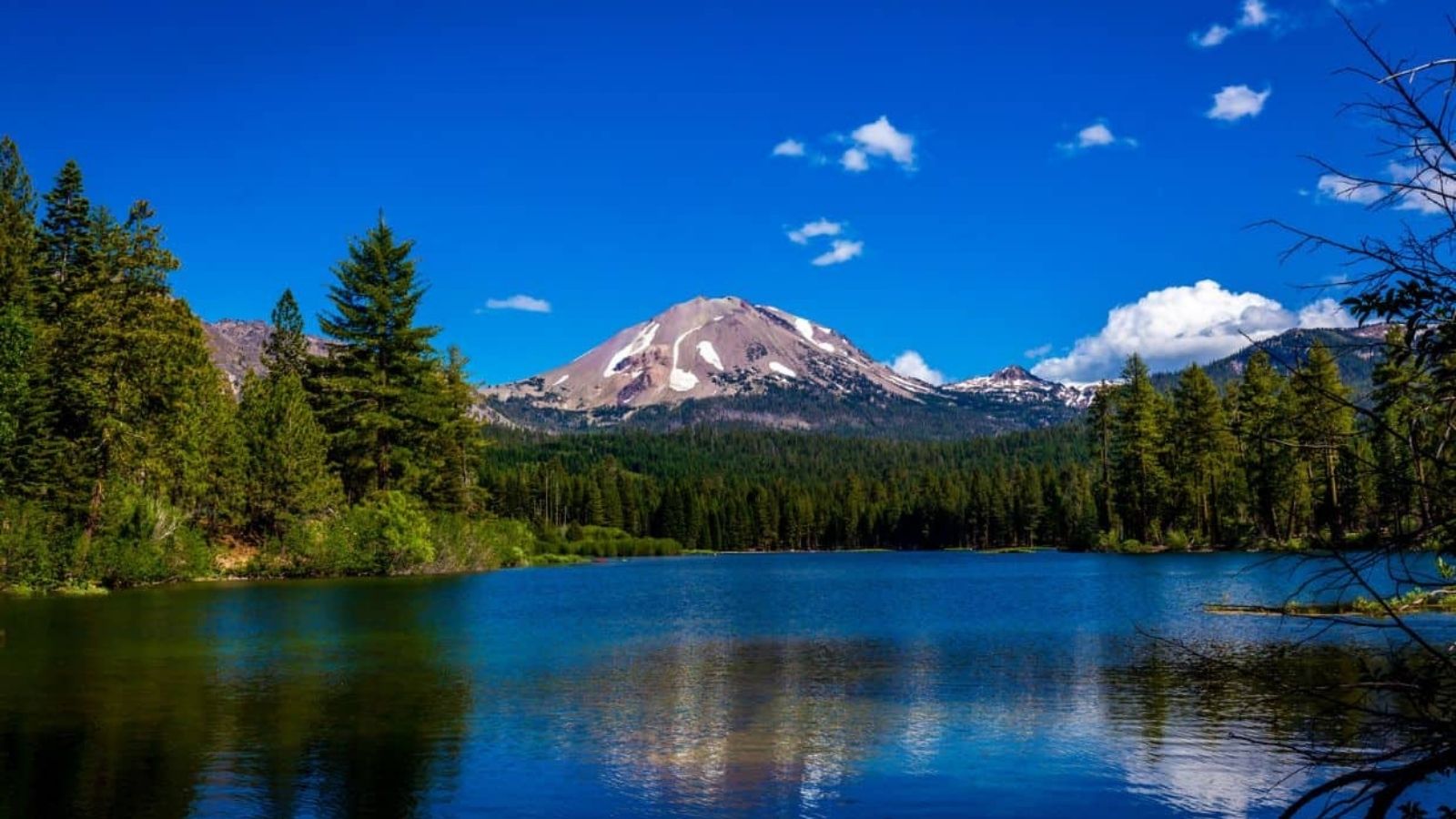
What’s traveling in the baskets headed for these parks looks different from the standard spread. Smoked pimento cheese packed from Columbia’s Saturday market before the drive into Congaree; walleye caught and smoked by local Minnesota smokehouses near the Canadian border, eaten on the shore of Rainy Lake; stone fruit from a Northern California farmstand tucked into a cooler bound for Manzanita Lake, where Lassen Peak reflects in the water. The provisions are hyper-local, worth planning for and impossible to replicate anywhere but where they came from.
Outdoor dining has never had more company
The outdoor recreation economy contributed $697 billion in value added to the United States economy in 2024, representing 2.4% of national GDP. AllTrails, a popular trail mapping application, reported that its members spent 75% more time outdoors in 2025 than in 2024, the steepest jump the platform recorded since the first year of the pandemic.
And increasingly, travelers choose to spend that time somewhere new. Nearly two-thirds of Americans say a less-crowded national park would deliver a more rewarding experience than a famous one. The parks below make a strong case for that instinct.
Cuyahoga Valley National Park, Ohio
Tucked between Cleveland and Akron, Cuyahoga Valley is one of the most accessible national parks in the country and one of the most overlooked. The Ledges area, where Civilian Conservation Corps workers built sandstone shelters above Sharon conglomerate cliffs in the 1930s, is a picnic setting with genuine drama: forested ridgelines, an open meadow and stone walls that have stood for nearly a century. The Cuyahoga Valley Farmers Market runs inside the park every Saturday at Howe Meadow through the summer, stocking locally grown produce, cheese and provisions from Northeast Ohio farms.
For a longer haul before the blanket goes down, Cleveland’s West Side Market, open since 1912, is one of the largest public markets in the country. It stocks local cheesemakers, cured meats, Eastern European provisions and fresh-baked goods from vendors whose families have held the same stalls for generations.
Congaree National Park, South Carolina
Congaree is the largest intact expanse of old-growth bottomland hardwood forest in the U.S., 18 miles southeast of Columbia. Champion trees rise from dark floodplain water, a 2.4-mile boardwalk winds through ancient cypress and tupelo and a quiet descends fast once the trail begins. Congaree attracts far fewer visitors than parks such as Yellowstone, Yosemite and Zion.
The provisions stop is Columbia’s Soda City Market, a year-round Saturday market on Main Street with 150 vendors. Columbia holds one of the oldest published recipes for modern pimento cheese in the country, from a 1912 fundraising cookbook, and the city’s pimento cheese culture runs deep. Pack it with smoked meats and Lowcountry provisions before the drive-in.
Lassen Volcanic National Park, California
Lassen Volcanic offers mountain scenery reminiscent of Yosemite and thermal wonders comparable to Yellowstone. Lassen typically receives well under 1 million annual visitors, compared with several million at Yosemite and Yellowstone. The main park road climbs to 8,512 feet, the highest elevation road in the Cascade Range. The Manzanita Lake picnic area at the road’s northern end is one of the most quietly spectacular outdoor eating spots in the Western U.S.: Lassen Peak reflected in glacier-blue water, pine forest ringing the shore, the whole scene sitting high enough to feel genuinely removed.
Redding, an hour west, is the right provisions stop. Northern California ranch country begins here, and local farmstands, butchers and specialty grocers stock the stone fruit, cured meats and regional cheeses worth carrying up the mountain.
Voyageurs National Park, Minnesota
Voyageurs sits on the Canadian border in northern Minnesota, a wilderness of interconnected lakes and boreal forest that drew 206,326 visitors in all of 2025. The park is 40% water, and most of it is accessible only by boat, which means the picnic spots most people reach are genuinely remote: rocky shorelines on Rainy Lake, island campsites on Kabetogama, bays where the only sound is loons.
The provisions story is unlike anywhere else on this list. Wild rice has long been harvested by Ojibwe communities throughout the region, and locally produced wild rice is widely available near the park. Walleye is the cornerstone of every local menu around International Falls, and smoked walleye from local smokehouses near the park boundary travels well. These are provisions with no equivalent anywhere else.
What goes in the basket has changed
The food angle is no longer an afterthought. The term “charcuterie” has grown 161% on restaurant menus over the past four years, per Datassential. The most considered version of the picnic basket in 2026 is pimento cheese from a Columbia market, smoked walleye from a Minnesota smokehouse and stone fruit from a Cascade foothill farmstand. The provisions and the destination have become a single act of planning.
Where to go starts with what to eat
As outdoor recreation keeps pulling more travelers away from the handful of parks everyone already knows, the food they pack is becoming part of how they choose where to go next, not an afterthought once they arrive. Expect more travelers to treat regional markets and local producers as trip-planning tools in their own right, the same way they already check trail conditions or campsite availability. The basket is no longer along for the ride; it’s setting the itinerary.
Jennifer Allen is a retired chef turned traveler, cookbook author and nationally syndicated journalist; she’s also a co-founder of Food Drink Life, where she shares expert travel tips, cruise insights and luxury destination guides. A recognized cruise expert with a deep passion for high-end experiences and off-the-beaten-path destinations, Jennifer explores the world with curiosity, depth and a storyteller’s perspective. Her articles are regularly featured on the Associated Press Wire, The Washington Post, Seattle Times, MSN and more.