
Over 22 million people visited Bangkok last year, making it one of the most popular destinations on the planet. This city pairs ancient temples with high-rise rooftops and street food sizzling with flavor on every corner. If you’re planning a trip to the Great City, this ultimate 48-hour itinerary explores centuries-old landmarks, historic waterways and vibrant markets that all come into view.
This post may contain affiliate links that may earn us a commission. For more information, see our Disclosures.
The first time I landed in Bangkok, I was overwhelmed by the collision of sights, sounds and smells. This is a city on sensory overdrive, and like all big cities, you need a plan to make the most of your short time there. Here’s what I’d suggest.
Day 1: Temples, traditions and riverside treasures
Start your trip in Bangkok’s spiritual and historic heart, where golden spires and sacred spaces set the tone. While you won’t see everything in a single visit, these are the highlights to get you started.
Morning: Sacred start and breakfast bites
The Chao Phraya River is where Bangkok’s day begins. The morning attractions will make you catch your breath; they are postcard-worthy scenes, with the temple rooftops catching the early sun and longtail boats gliding past the riverbanks in a steady rhythm. I couldn’t resist going to Riva Arun to take in the scenery, soak up the atmosphere and fuel up for the day to come. They serve Thai omelets or American-style pancakes with sweeping sights of Wat Arun across the water.
Elefin Café, just a few minutes away, blends modern comfort with Thai flavors in inventive ways. Inside its cool, stylish space, you’ll find the house favorite Elefin club, which is slow-cooked chicken breasts with organic fried egg and tomato served on homemade bread. It’s a great pick if you want something quick yet satisfying before heading to the temples.
Once finished with breakfast, make your way to Wat Phra Kaew and the Grand Palace, the spiritual heart of Thailand and home to the Emerald Buddha, carved from a single block of jade. It’s essential to get there early because the crowds build fast, and the midday heat can make walking the grounds tougher than expected. I brought a sarong in my bag to cover my shoulders. Men aren’t exempt either, as temple dress codes are strictly enforced.
Once you’ve finished exploring the Grand Palace grounds, take a short 10-minute walk south to Wat Pho. This peaceful temple complex is home to the famous Reclining Buddha, which stretches more than 150 feet. Its sheer size blew me away when I first saw it, as it’s one of those rare wonders that photos simply can’t capture. It’s a must-see, but be prepared for crowds, especially mid-morning.
Midday: Silk stories and garden dining
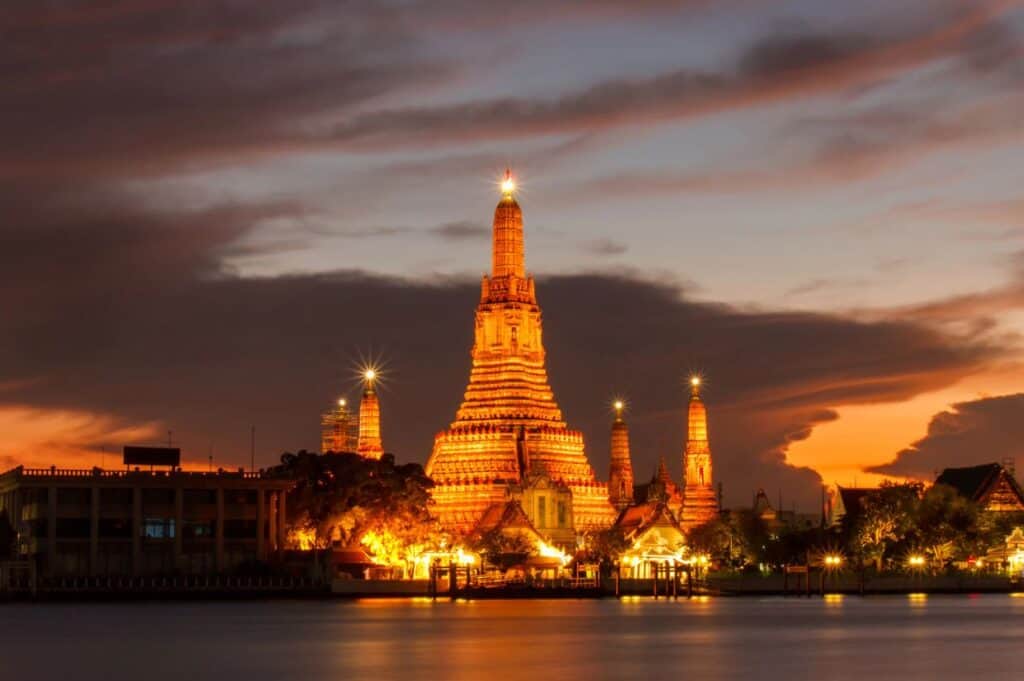
From Wat Pho, head to Tha Tien Pier where ferries cross the river. Hop on a boat bound for Wat Arun, also known as the Temple of Dawn, one of Bangkok’s most photographed landmarks. Its porcelain-covered towers glitter in the daylight; a tribute to Thai craftsmanship and artistry, and a must-see photo opportunity.
Climbing the central prang offers sweeping views over the Chao Phraya River and the rooftops of old Bangkok. This vantage point reveals the striking contrast between historic temples and the modern skyline, highlighting how the city’s past and present coexist. But if you’d rather stay grounded, take your time exploring the peaceful temple gardens, where intricate murals and detailed sculptures invite closer attention and slower steps.
Once you’ve explored the temple, it’s time for lunch by the water. Supanniga Eating Room near the river serves family-style Thai comfort food with dishes like moo cha muang: a braised pork in a slightly tangy curry unique to Thailand’s eastern provinces. I liked it because the setting is breezy and laid-back, and ideal for a well needed mid-day pause.
If you prefer a setting that’s just as appealing but with a different ambiance, The Deck by Arun Residence across the river is a great alternative. It features a refined menu of Thai and international flavors and offers a terrace view of Wat Arun that rivals any riverside seat. It’s a solid pick for both the food and the scenery. Good luck trying to tear yourself away from the scenery.
Afternoon: Creative breaks and city strolls
If you’re curious about Bangkok’s modern side, consider skipping Wat Arun and heading west for a different experience. Khlong Lat Mayom Floating Market, located about 25-30 minutes away by taxi or Grab, offers longtail boat rides. It’s a decent option if you want to see a floating market that’s still used by locals.
Be warned, though, this isn’t the traditional floating market you’ve seen in brochures. It’s more touristy and, in my opinion, not the best use of time if you’re on a tight schedule. Personally, if I were there just for 48 hours, I wouldn’t go, but I know so many people really want to tick a floating market off their bucket list.
Evening: Rooftops, night walks and one last bite
Dinner shifts the tone from daytime sightseeing to relaxed indulgence. Err Urban Rustic Thai, from the team behind Bo.lan, offers a casual and comfortable space just 25-30 minutes by car from Khlong Lat Mayom Floating Market. Their menu features fermented ingredients, chili dips and preserved vegetables, all served in rustic earthenware that honors Thai culinary traditions while giving street food a thoughtful, modern twist.
As an alternative, Sala Rattanakosin pairs creative Thai plates with a front-row view of Wat Arun glowing at night for a more relaxed riverside atmosphere. The restaurant offers indoor and open-air seating, letting diners enjoy the soft river breeze while sipping cocktails and sampling elevated takes on classic Thai dishes.
Post-dinner, Asiatique blends a boardwalk feel with open-air shopping, a giant Ferris wheel and riverside bars. Located about 15-20 minutes by car from the dinner options, this is a lively open-air market-meets-entertainment complex with boutique shopping and Muay Thai shows. Plus, you’ll see some great attractions from the Ferris wheel.
If you prefer a sleeker finish, ABar Rooftop offers gin-forward cocktails and panoramic cityscapes without the tourist crowding of better-known rooftop bars. I loved it; it’s stylish but not stuffy, the views are fantastic and there’s a real chill vibe. Just remember the dress code.
Day 2: Markets, modernity and cultural highlights
Soak in Bangkok’s buzzing energy, from the chaos of sprawling weekend markets to calm art galleries and stylish malls. You’ll switch gears between old-world flavors and sleek modern design. It’s fast-paced, but never dull.
Morning: Cafes and creative perspectives
For the second day, start with caffeine at MOCA Café, located inside the Museum of Contemporary Art. Besides Thai coffee and light pastries, it’s known for its signature chocolate lava cake, which you simply must try, inspired by the decorative jasmine stem motif featured on the museum’s architecture.
Café Noir, just a short walk away, is another option that offers a welcome contrast to the surrounding bustle. Its minimalist interiors, warm lighting and quiet vibe set a peaceful place to sip coffee and ease into the day. The cafe specializes in locally roasted blends, carefully brewed and served with precision.
Once you’re fueled up and ready, it’s time to explore the Museum of Contemporary Art, or MOCA Bangkok, which holds one of Thailand’s largest private art collections. Spread over five floors, the works range from surrealist paintings to sculptures reflecting contemporary Thai identity. It’s quieter than the city’s main museums and makes for a refreshing, reflective start to the day.
Midday: Heritage and culinary comfort
For lunch, Praram 9 Kaiyang offers Isaan-style grilled chicken, som tum and sticky rice just a few blocks from MOCA. The vibe is unpretentious and local, and the flavors, especially the grilled meats, are punchy and satisfying.
Alternatively, the restaurant inside the Jim Thompson House complex is a great choice; not only is it convenient, but you can take in the atmosphere before your museum visit. Shaded by trees and surrounded by traditional teak architecture, it serves refined Thai dishes like lemongrass chicken and Thai pomelo salad in a setting that feels both secluded and elegant.
After lunch, you can go to the traditional teakwood house-turned-museum known as the Jim Thompson House, which tells the story of the American businessman who played a major role in reviving Thailand’s silk industry during the post-war era. Guided tours offer insight into Thompson’s life, architectural choices and personal collection of Southeast Asian art, which includes Buddha images, Burmese statues and Chinese porcelain.
Afternoon: Art walks and green escapes
After exploring the Jim Thompson House, continue your cultural afternoon just a short ride away. The Bangkok Art and Culture Centre, or BACC, is a cultural hub with rotating exhibits, indie film screenings and pop-up markets. Its spiral architecture draws you upward, where art, books and creative retail converge. Stop by the gift shop for art books or handmade Thai crafts, or check the event calendar for live performances and rotating exhibitions.
Just a 10-minute walk away, Chulalongkorn University Centenary Park is a rare pocket of urban green built to celebrate the university’s 100th year and serves as an oasis of sustainability and calm. Designed with sustainability in mind, it catches floodwater, supports biodiversity and gives locals space to breathe. It’s quiet, thoughtfully built and offers a chance to reflect on the city’s changing rhythms.
Evening: Final bites and skyline sights
Cap your trip with dinner at Lebua at State Tower, one of Bangkok’s most iconic high-rise dining experiences. It’s Michelin-starred, and if you want to go all out, my advice is to opt for the Chef’s Table; it’s an experience I still dream about. You can start with a glass of Champagne at Flute, the open-air bar perched high above the city, before heading into the tasting room. The menu is curated and theatrical, turning dinner into something immersive, indulgent and far more memorable than a final meal.
[adthrive-in-post-video-player video-id=”3tSvD1iE” upload-date=”2025-09-10T19:15:32+00:00″ name=”bangkok itinerary” description=”Cap your trip with dinner at Lebua at State Tower, one of Bangkok’s most iconic high-rise dining experiences. It’s Michelin-starred, and if you want to go all out, my advice is to opt for the Chef’s Table; it’s an experience I still dream about.” player-type=”default” override-embed=”default”]
Another option aside from Lebua is the Blue Elephant, which is famous for their Royal Thai cuisine and refined service inside a beautifully preserved colonial mansion; they even offer cooking classes by day. The menu balances time-honored techniques with elegant presentation, serving dishes once reserved for Thai royalty in a historic and sophisticated space.
To finish your trip, head upward to take in one final view of the city from above. Octave Rooftop Lounge & Bar provides a 360-degree view of Bangkok’s layered skyline, spread across multiple floors that offer something for every mood, from sundown cocktails to late-night lounging.
I also found that Luz Bangkok Tapas Bar, located on the 33rd floor of INNSiDE by Meliá, brings a more contemporary energy with live music, sleek interiors and signature cocktails. You can even look up at the glass-bottomed rooftop swimming pool, which sits above the Tapas Bar. The vibe is modern but approachable, with a rotating playlist of live performers and a menu that favors bold yet balanced drinks. It’s a great choice for travelers looking to end their night somewhere a little trendier without sacrificing comfort.
Where to stay in Bangkok
Bangkok can seem overwhelming at first; I’ve been there and felt that. But like most cities, it’s surprisingly easy if you put a little effort into your planning. Here are my recommendations.
Luxury
Lebua at State Tower stands tall on Bangkok’s skyline. Hands down, it is the place to stay. Famous for its golden dome and sweeping river views, this high-rise is home to some of the city’s most iconic rooftop experiences.
Sip champagne in the Flute bar and enjoy Michelin-starred dining. You can push the boat out and sit at the chef’s table for a spectacular dining experience; trust me, it’s worth it. This is an all-suite hotel, each one impeccably furnished, a balcony with views to die for and the best night’s sleep after a long day of sightseeing.
Mid-range
Amara Bangkok blends location, comfort and style at a price point that works for many travelers. The rooms are luxurious, comfortable and spacious. Located in the Surawong area near the Patpong Night Market and Lumpini Park, it offers quick access to modern malls and historic sites.
The rooftop infinity pool is a highlight, especially at sunset, and the rooms are sleek without feeling sterile. It’s ideal if you want a central base that feels polished but unpretentious.
Budget
For something quieter and more personal, Baan Noppawong offers a rare chance to stay in a beautifully restored 19th-century Thai house. Located in the Old Town near Ratchadamnoen Avenue, it feels worlds away from the bustle despite being central.
The interiors feature traditional teak decor, antique accents and a peaceful garden courtyard. It’s a charming and restful place to start or end your Bangkok journey, especially if you want history with your stay.
Getting around
Getting around Bangkok might look chaotic at first, but it’s surprisingly smooth once you know your options. The city offers a mix of modern transit and traditional rides, and each adds something different to your travel experience.
BTS Skytrain and MRT
If you’re navigating Bangkok for the first time, the BTS Skytrain and MRT are your best friends. These air-conditioned trains run frequently, are well-marked in English and take you to most of the city’s major neighborhoods and attractions.
Stations are close to shopping hubs, markets, temples and parks, perfect for hopping across the city without fighting traffic. Pick up a Rabbit Card for quick entry and top-ups if you’re staying more than a day.
Tuk-tuks
These three-wheeled rides are practically an emblem of Bangkok. Tuk-tuks are best for short distances and spontaneous detours, like zipping from a temple to a nearby cafe. I always make sure I hop on at least a few tuk-tuk rides, especially at night when they are lit up with neon lights. They don’t have meters, so always agree on the fare before your ride. While they’re not the most budget friendly, they’re fun, especially if it’s your first time in the city.
River ferries
Want a scenic way to reach Bangkok’s historic sites? The Chao Phraya River is a working waterway with ferries that stop near top attractions like Wat Arun, Wat Pho and the Grand Palace.
The Chao Phraya Express boats are affordable, breezy and offer a different perspective on the city. If you’re planning multiple rides in a day, grab a tourist day pass to save time and avoid ticket lines.
A journey worth every step
After two whirlwind days in Bangkok, it’s not just the temples or rooftops that stick with you; it’s the feeling. The smoky scent of street food curling through the air, sunlight bouncing off temple tiles and the quiet hush inside a gallery just steps from gridlocked traffic. It’s loud and calm all at once. And in just 48 hours, you’ll fly home with a camera roll that doesn’t quite capture it all, a bag that’s somehow heavier, which will leave you wondering how did all those souvenirs fit, and a mind still buzzing with the sounds, colors and chaos of a city that gets under your skin, in the best way.
A luxury travel, food and adventure journalist with a passport full of stories from over 46 countries, Mandy specializes in uncovering unforgettable experiences across the globe. With a deep love for the Far East and a diver’s eye for hidden worlds, she brings readers along on immersive journeys that blend indulgence with discovery, and she shares it all on Ticket to Wanderland.