
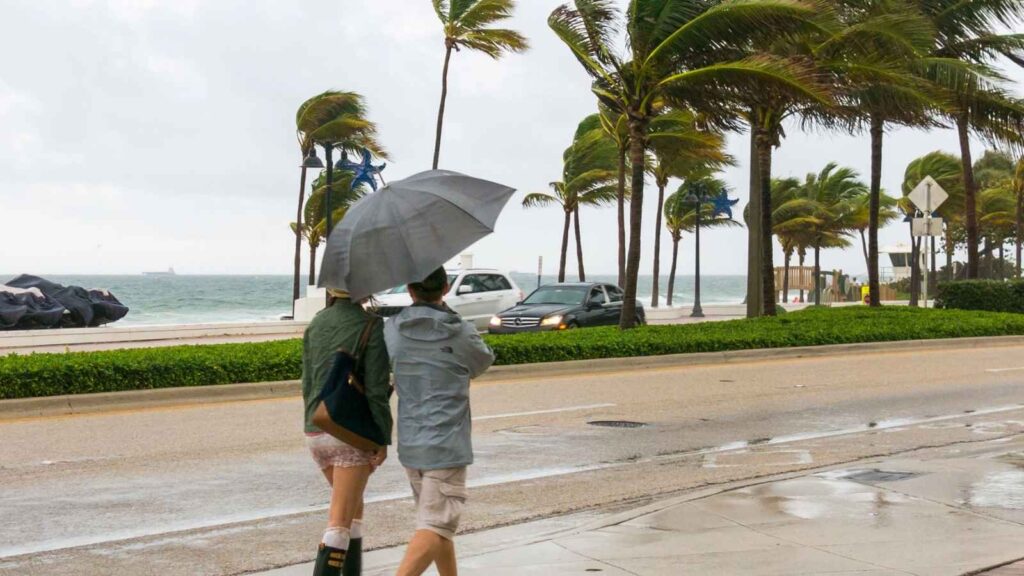
Budget-focused travelers are booking trips to Florida during its rainiest months, and the data show the trend is accelerating. The Attraction Tickets 2026 Travel Trends Index found that travel to Florida during off-peak and wetter seasons increased in 2025, as cost-conscious vacationers opted for lower rates despite favorable forecasts. For anyone planning a trip to The Sunshine State, the traditional logic of avoiding the wet season is no longer the whole story.
This post may contain affiliate links that may earn us a commission. For more information, see our Disclosures.
Florida’s rainy season runs mid-May through mid-October, a period long treated as a demand floor. Yet Visit Florida reported 34.4 million visitors in the second quarter of 2025, covering April through June, the highest second-quarter total in state history and a period that overlaps directly with the season’s start. For the full year, preliminary estimates put total visitation at 143.3 million, another state record.
Florida’s off-season gets busier
The growth is not happening despite summer weather patterns but is driven by what summer pricing makes possible. As inflation continued shaping household budgets in 2025, travelers increasingly prioritized lower costs over optimal conditions. The Attraction Tickets index found that Americans were more willing to compromise on weather when doing so secured a meaningful price advantage. For Florida, that dynamic turns the rainy season from a liability into a lever that budget-focused travelers are actively pulling.
Destinations that beat the rain
Tampa rewards travelers who plan around its way of life rather than against it. The Water Street Tampa waterfront district offers a walkable stretch of restaurants, hotels and green space that transitions easily between outdoor and indoor options when afternoon storms roll in. On the other hand, the Florida Aquarium and Busch Gardens Tampa Bay give families reliable indoor-outdoor flexibility regardless of what the sky is doing. Booking midweek hotel stays locks in lower rates, and arriving early in the summer, before storm frequency peaks in July and August, gives travelers the best of both the pricing and the weather window.
Fort Lauderdale offers a similar mix of beach access and built-in contingencies, with the Las Olas Boulevard corridor running parallel to the coast. It showcases galleries, restaurants and shops that make an afternoon rain shower an easy pivot rather than a ruined plan. Fort Lauderdale Beach Park draws early risers who want to cover beach time before typical midday showers arrive, while the Museum of Discovery and Science serves as a reliable indoor go-to when skies don’t cooperate. Weekday stays push hotel rates down meaningfully, and tracking airfare trends in early to mid-summer can surface opportunities where both flights and accommodations are at their most competitive.
Naples and the Gulf Coast represent the quieter side of this trend. The Naples Pier and the surrounding Gulf coastline entice travelers chasing a slower pace and lower resort prices than peak months deliver, a combination that is especially accessible midweek in early summer. Downtown Naples’ dining and gallery districts give visitors a natural indoor option when afternoon storms move through, and morning beach visits before typical afternoon rain patterns make the most of coastal time without requiring luck with the forecast.
Plan around Florida’s rainy season
Morning hours along Florida’s coast and riverfronts are typically drier and less crowded during the wet season, which makes early starts the most reliable strategy for outdoor plans. Building an itinerary that alternates between coastal stops and urban neighborhoods with strong indoor options gives a trip enough flexibility to absorb whatever the afternoon brings.
Monitoring forecasts in the days that lead up to travel provides a more accurate picture of conditions than planning months in advance. Comparing prices across multiple Florida cities rather than defaulting to a single destination often reveals the best value, since hotel and flight prices vary considerably among Tampa, Fort Lauderdale and Naples even within the same travel week.
Where Florida’s summer is headed
Florida’s wet season no longer functions as a true demand low point. Pricing power now moves travel timing more reliably than weather expectations, and the 2025 booking data makes that case clearly. Value-driven decisions are actively reshaping what Florida’s summer looks like on the reservations calendar. If current trends hold, the state’s rainy months may settle not as a seasonal exception for budget travelers, but as a genuine competitive window where lower costs, thinner crowds and flexible planning combine into a trip that delivers more than the forecast suggests.
Jennifer Allen is a retired chef turned traveler, cookbook author and nationally syndicated journalist; she’s also a co-founder of Food Drink Life, where she shares expert travel tips, cruise insights and luxury destination guides. A recognized cruise expert with a deep passion for high-end experiences and off-the-beaten-path destinations, Jennifer explores the world with curiosity, depth and a storyteller’s perspective. Her articles are regularly featured on the Associated Press Wire, The Washington Post, Seattle Times, MSN and more.