
Summer is the one season most people feel confident cooking. The grill comes out, the same cuts go on, and somewhere between the first flip and the final plate, something goes sideways. A professional chef has watched the same mistakes repeat season after season, and almost all of them come down to the wrong heat, the wrong timing or one habit that sounds right but isn’t.
The good news is that none of these fixes cost anything. No new equipment, no special ingredients. Just a few small changes that make a real difference on the plate. Here are the nine foods most home cooks get wrong, and exactly what to do instead.
Bone-in chicken
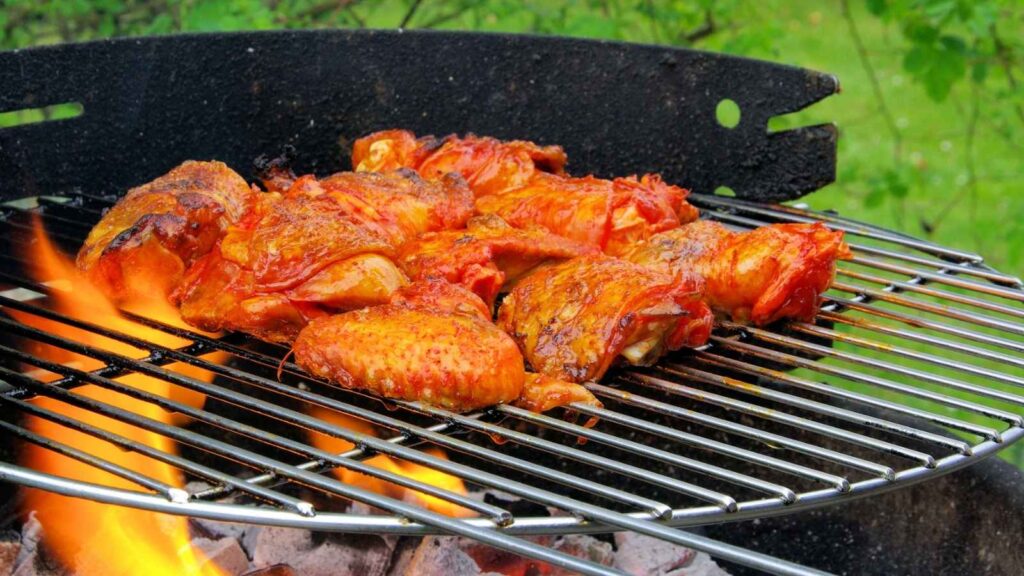
Every barbecue sauce is built on sugar, and sugar burns fast over high heat. Sauce the chicken too early and the outside chars before the inside is anywhere close to done. Keep the glaze off until the final 10 to 15 minutes, and finish the chicken over indirect heat to avoid over-charring.
Thick cuts straight from the fridge
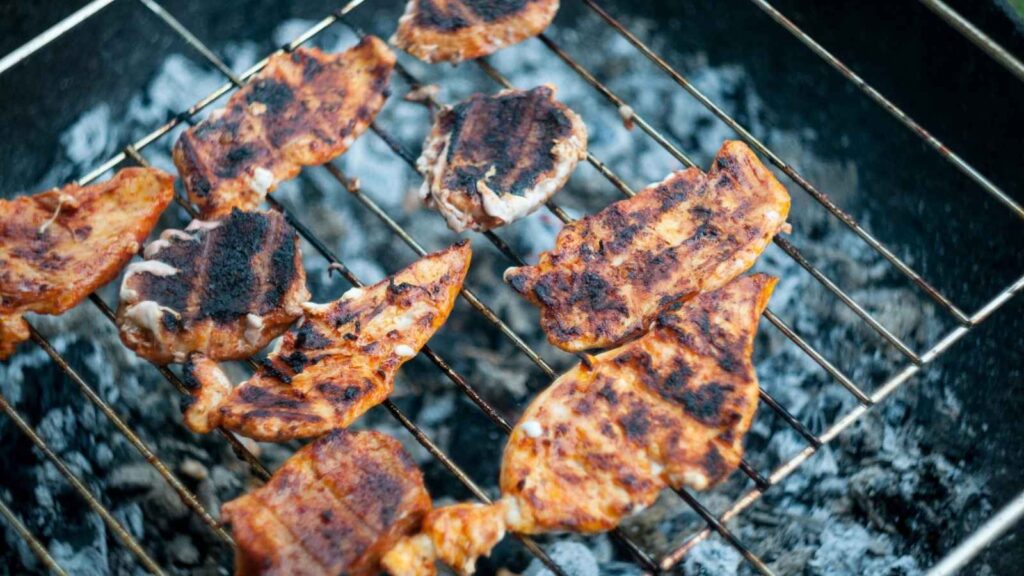
When a thick chop goes from refrigerator to hot grate, the exterior overcooks trying to close the temperature gap with the center. Rest the meat at room temperature for about 30 minutes before it hits the grill. The result is a more even cook from edge to center.
Ribs
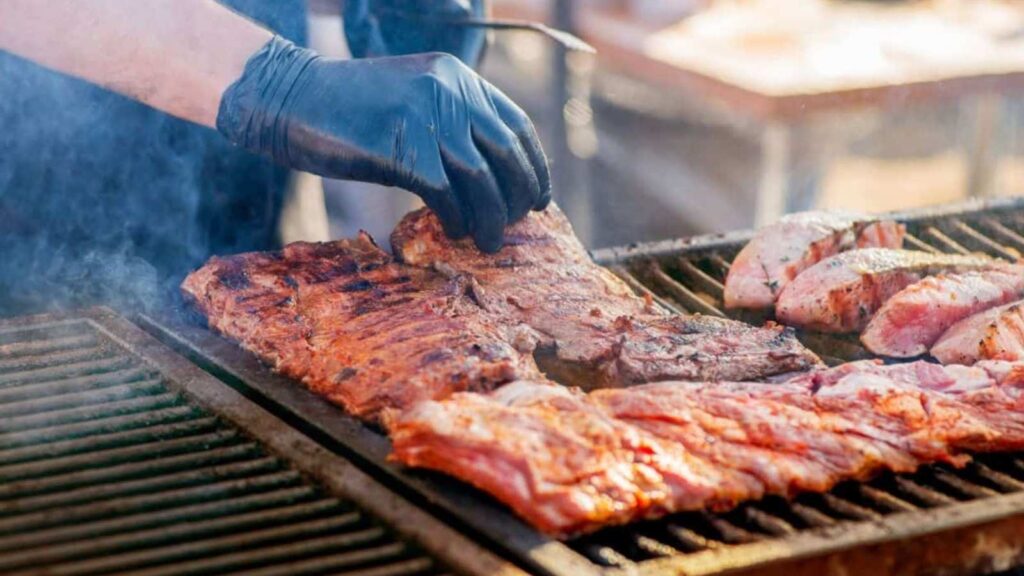
Over two to three hours of cooking, full-strength barbecue sauce doesn’t just burn. It builds up into a bitter crust that overpowers everything underneath. A half-and-half mix of beer and sauce, applied only in the final 30 minutes, cuts the sugar load and keeps the bark from going bitter.
Fish
Fish sticks and falls apart because it hits bare metal. Lay lemon slices directly on the hot grates and set the fish on top. It creates a barrier, prevents sticking, adds flavor during the cook and makes cleanup faster. It seems almost too simple until you try it.
Skin-on chicken
Most people flip skin-on chicken too soon. The skin needs real contact time with direct heat to render the fat underneath and crisp properly. When the skin releases cleanly from the grates on its own, it’s ready to flip. Not before.
Vegetables
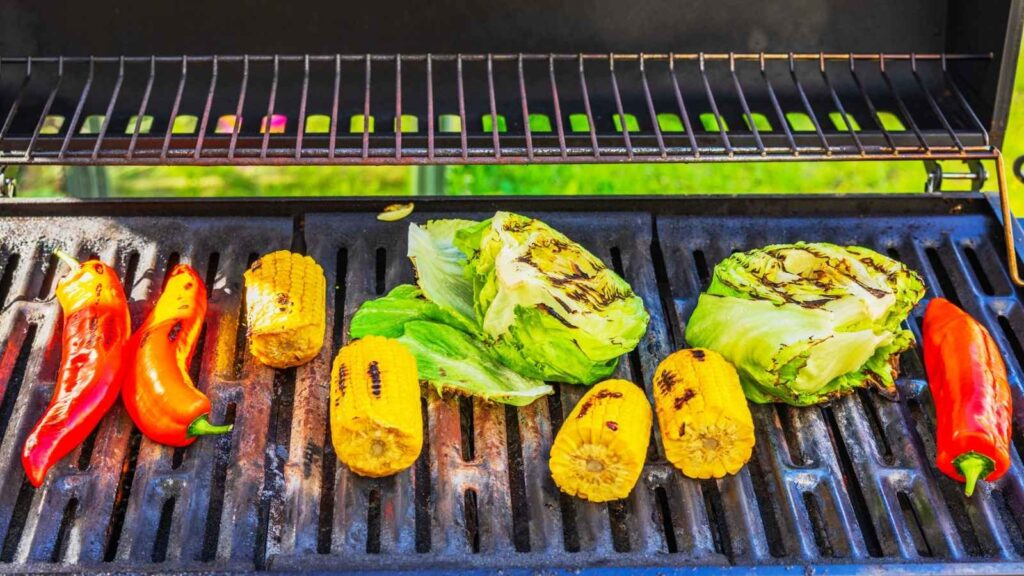
Small pieces fall through the grates or burn before they can caramelize. Cut larger: long spears of asparagus, halved zucchini, thick planks of eggplant, whole pepper halves. A coat of oil and salt before they go on is all the prep they need. A grill basket makes the whole thing even easier.
Oiling the grates
Brushing oil onto hot grates causes an immediate flare-up. The oil burns off almost instantly and leaves behind a sticky residue that binds food to the metal. Oil the food itself, not the grate. It keeps moisture in, promotes caramelization and prevents the sticking that grate-oiling is supposed to stop.
Checking doneness by cutting in
Every cut releases juices the meat can’t recover. The part you opened will be overcooked by the time the center finishes. Use an instant-read thermometer instead. Pull each protein to its correct safe internal temperature, tent loosely with foil and let it rest five to 10 minutes before slicing.
Putting everything on direct heat
Direct heat works for fast items that finish in under 20 minutes: thin steaks, fish fillets, vegetables and shrimp. Larger cuts and bone-in pieces need indirect heat to cook through without the exterior drying out first. One side of the grill is on, the other is off. That’s the whole adjustment.
Better grilling has almost nothing to do with the grill itself. Pick one of these fixes and try it at your next cookout. Chances are, it’ll be the one that finally solves whatever’s been going sideways.
Jennifer Allen is a retired professional chef and long-time food and lifestyle writer. Her work appears in dozens of publications, including MSN, Yahoo, The Washington Post and The Seattle Times. These days, she’s busy in the kitchen developing recipes and writing about the best food and drink experiences around the world, and you can find all her best creations at Cook What You Love.