
Flight delays are on the rise, chronic illnesses are becoming more common among kids and global travel keeps bringing families into unfamiliar medical systems. These trends can transform any brief disruption into a high-stakes situation, especially when it involves essential medication. That’s why I always pack triple the meds when traveling with my kids, because even a minor delay can quickly escalate into a serious medical situation.
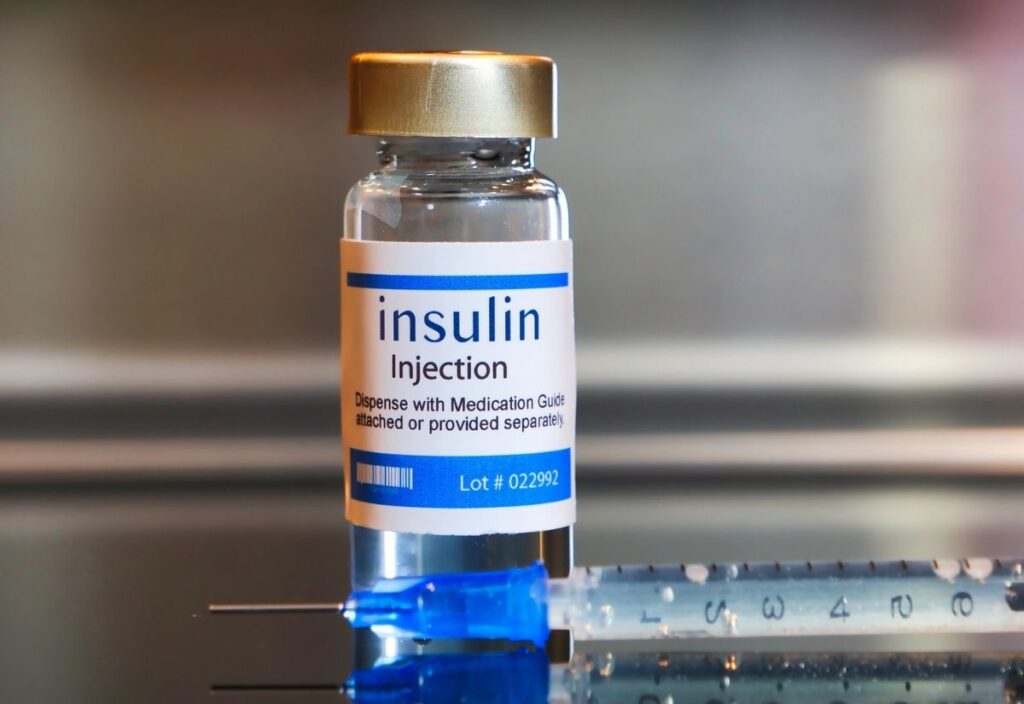
One recent trip in particular taught me that what I considered overpacking was just barely enough. We were on holiday and the flight got cancelled because of high winds. It was also cancelled the next day and the day after. I barely had enough meds for my diabetic kids. I used to question my habits, but after that experience, I realized that packing extra is what allows me to stay steady when everything else is uncertain.
The rule I live by: Triple what you think you’ll need
Kids get viruses, travelers miss connections and luggage disappears into airlines’ delayed baggage systems. When your child has a chronic medical condition, these common travel hiccups can quickly become emergencies. That’s why I pack not just for convenience but for contingency.
This rule didn’t come from fear, but from experience. I bring three times the medication, three full sets of medical gear and enough food or comfort items to cover every possible delay. What others might call overpacking, I see as building a buffer between emergency-level stress and steady, informed response.
What I always pack extra
There’s a difference between overpacking and being prepared. When traveling with a child needing daily medication or devices, the backup plan needs a backup. I’ve learned to pack in layers and think about what we’ll need if things don’t go as planned.
Prescription and over-the-counter medications
Packing starts with medication. I prepare three times the amount of daily prescription meds and divide them into separate bags to prevent total loss during travel. These backups become critical when facing delays, cancellations or misplaced luggage.
I also bring over-the-counter items that often come in handy, including fever reducers, allergy medications and anti-diarrhea meds. Diarrhea and gastrointestinal illnesses are among the most common travel-related problems for kids, making hydration and gut support critical during long trips. These items fill important gaps when pharmacies are closed, hard to locate or don’t stock familiar brands.
Medical supplies and documentation
Equally important are the medical supplies specific to my children’s conditions and daily routine. I bring insulin pens, test strips, alcohol swabs and backup inhalers in protective pouches that are clearly labeled for quick access.
Alongside these supplies, I carry a printed list of all prescriptions and a signed letter from our doctor outlining each medication and dosage in detail. These documents are especially useful at airports, international borders or clinics abroad, where quick and accurate communication about a child’s medical needs is essential. Recent findings show that medication errors are the most frequent and preventable cause of patient harm, often occurring at multiple stages in care, so being precise and prepared from the outset helps avoid unnecessary risks.
Things you might not think of but should
These are the items you don’t realize you need until you do. I’ve made room in our travel bags for the small things that make a big difference in an emergency, especially when time or language gets in the way.
Backup power for critical devices
Some road trip essentials don’t require a prescription but are equally vital. A dead battery on a continuous glucose monitor or an uncharged inhaler can turn a manageable condition into an emergency during travel. That’s why I pack backup power banks and charging cables in our carry-on and keep them right next to the medical supplies so they’re never out of reach.
Printed records and translated instructions
I carry printed medical records. Not just digital copies or screenshots, but physical documents with condition summaries and instructions. In an emergency, a note explaining your child’s condition, medication and emergency protocol in the local language can bridge critical gaps when every word matters.
In fact, a recent study evaluating a health translation app found participants appreciated its user-friendliness and believed it improved communication between patients and physicians. Features like sharing and translating give families more control over their medical data, which can be a game changer in unfamiliar healthcare settings.
Emergency contacts and care notes
In addition to medical documents, I always include a printed sheet of emergency contacts and a brief care note outlining how to assist my child in case I’m unable to respond. This includes my phone number, our doctor’s information and a short description of my child’s condition. It serves as a backup when devices are inaccessible and also ensures that bystanders or medical professionals can step in with confidence.
How to organize it all
I put every medicine and device into labeled zip pouches and sorted by category: daily use, emergency backup and device support. These pouches stay in the carry-on bag; checked luggage is secondary to backups, so if it takes a detour, our essentials aren’t compromised.
Knowing where everything is allows me to handle issues quickly and helps people step in without second-guessing. It’s a simple system that reduces panic, supports communication and builds trust across unpredictable travel moments.
When triple was just enough
When we found ourselves stranded in an unfamiliar city for two nights, with no open pharmacies and no way to access our prescriptions, the situation could have quickly become unmanageable. But because I had packed more than what we’d typically need for a trip, we had just enough supplies to stay on track and avoid panic.
That experience changed my mindset entirely. Since then, packing extra has become a non-negotiable part of our travel routine. It’s not about anxiety; it’s about planning for the unpredictable. For parents traveling with kids, especially those managing chronic conditions, peace of mind isn’t just helpful, but essential.
What preparedness means on the road
Bringing more than enough is anticipating the real risks families face on the move. Delays happen, pharmacies close early and sometimes help isn’t available when it’s needed most. Even the smallest backup, such as an extra inhaler, a spare charger or a printed prescription, can be the difference between stress and stability. Planning this way creates a quiet and deliberate form of protection that helps families stay calm when the unexpected happens.
Zuzana Paar, a co-founder of Food Drink Life, is a seasoned traveler and writer who has explored 62 countries and lived in St. Lucia, Dubai, Vienna, Doha and Slovakia. Her work has been featured on Fox News, New York Daily News, MSN and more; she has also appeared live on Chicago’s WGN Bob Sirott Radio Show. When she’s not discovering new destinations, she shares travel tips and insider insights to help others experience the world in a unique and unforgettable way.
Disclaimer: These statements have not been evaluated by the Food and Drug Administration. The contents of this article are for informational purposes only and do not constitute medical advice. The content presented here is not intended to be a substitute for professional medical advice, diagnosis or treatment. Always seek the advice of a qualified healthcare provider with any questions you may have regarding a medical condition or dietary changes. Reliance on any information provided by this article is solely at your own risk.