
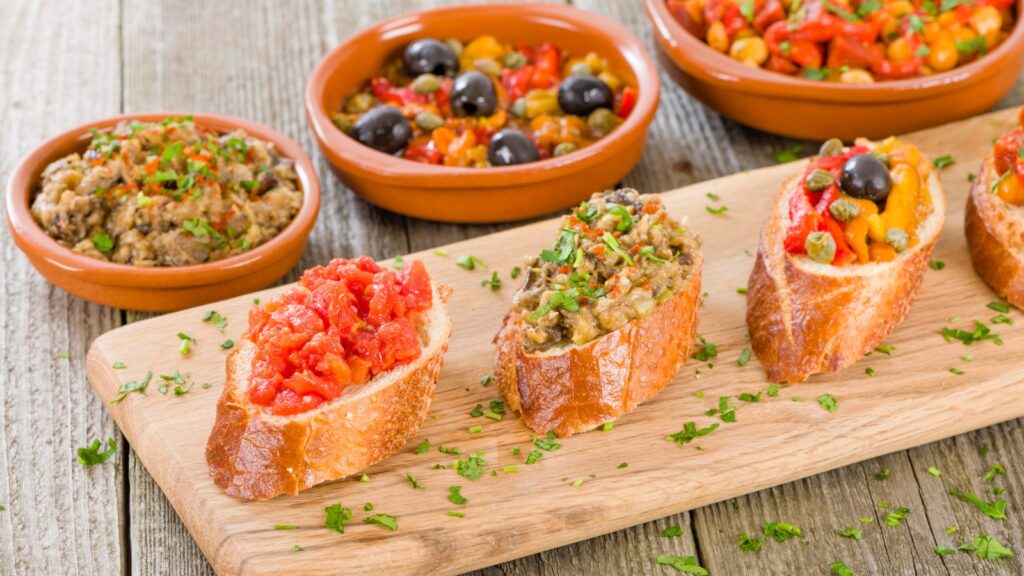
The Spanish figured out something about eating that much of the world is still catching up to: a meal shared in pieces is better than one consumed alone. World Tapas Day on June 18 celebrates the tradition that made passing plates, trying a little of everything and having a conversation part of the meal itself. As American diners increasingly seek out restaurants that feel like an event, the small-plate format has never been more relevant.
This post may contain affiliate link(s). As an Amazon Associate, I earn from qualifying purchases. See Disclosures.
The social side of dining has become increasingly important to restaurant-goers, with nearly 8 in 10 Americans agreeing that dining out is a way to feel connected to others, and group dining among parties of six or more climbing 11% year over year. Ordering several small dishes and passing them around a table turns a meal into a shared occasion rather than a series of individual orders, and that is exactly what the tapas format was built to deliver.
Shared meals now drive restaurant choices
When Americans sit down at a restaurant in 2026, connection is often the point. The same dining trends report found that experiential dining bookings climbed 46% year over year, while 61% of Americans now describe dining out as a special treat rather than a regular habit. The expectation has changed: a good restaurant meal does something a dinner at home cannot.
Tapas fit that expectation without requiring a special occasion. A table of friends can order freely, sample broadly and build the meal as the evening goes on. That flexibility and the natural back-and-forth of passing dishes and trying new things together is exactly what many Americans want from a restaurant meal right now.
Tapas made Spanish food familiar
Tapas restaurants gave many American diners their first exposure to Spanish ingredients, flavors and customs. Spain’s tourism authority describes tapas as a social tradition centered on sharing and interaction, one that treats food as part of a broader way of enjoying life. The format made unfamiliar food feel approachable: ordering a small plate of patatas bravas or gambas al ajillo carries far less commitment than ordering an entree, which lowered the barrier to trying something new.
Spanish restaurants across the United States have built on that openness, functioning as a primary entry point into the country’s culinary traditions, and the tapas format has become one of the most recognizable things Americans associate with Spanish food and culture.
Small plates now cross cuisine boundaries
The appeal of shareable dishes has moved well beyond Spanish kitchens. Wine bars, gastropubs and chef-driven restaurants now focus their menus around small plates, building variety and group participation into the dining experience by design. Mediterranean, Latin and contemporary American concepts have all incorporated versions of the format.
Global flavors and what chefs are calling flavor escapism rank among the defining themes on American menus this year, with culinary professionals pointing to dishes that deliver discovery and comfort in equal measure. Small plates are one of the most direct ways to do that; diners can work through a range of flavors in a single sitting, and the act of sharing keeps the meal social.
Tapas fit modern dining expectations
Tapas arrived in the American dining conversation decades before any of this became a named trend. The format earned its place not through novelty but because it answered something diners already wanted: a meal that belongs to everyone at the table.
The continued popularity of tapas-style dining also points to a broader change in restaurant expectations. Diners increasingly want meals that give them a reason to gather and engage with the people around them. As restaurants compete for fewer but more intentional visits, formats built around participation and shared experiences are likely to become a larger part of the industry.
Mandy Applegate is the creator behind Splash of Taste and seven other high-profile food and travel blogs. She’s also the co-founder of Food Drink Life Inc., a unique and highly rewarding collaborative blogger project. Her articles appear frequently on major online news sites, and she always has her eyes open to spot the next big trend.